

Tulum festivals are set to redefine the 2025–2026 high season, drawing travelers from across the world to Quintana Roo for a stretch of nights shaped by music, community, and the region’s distinctive character. From late December to mid-January, venues across the Riviera Maya prepare for a surge of visitors seeking experiences that merge global electronic culture with local atmosphere. The schedule is dense, the expectations high, and the question many travelers face is how to navigate a season that appears more ambitious than any before.
On a recent afternoon outside a café in Aldea Zamá, a DJ who has performed in Tulum for years summed up the mood. “People don’t just show up for parties. They come because they believe something different happens here,” he said. His comment hints at why the season continues to grow.
How a Tourism Boom Turned Tulum’s Nights Into a Cultural Engine
The rise of these gatherings has become inseparable from the region’s tourism economy. Hotels expect near-capacity bookings, restaurants increase staff, and transportation companies prepare for extended hours. But nightlife also brings tension, from noise concerns in residential zones to ongoing questions about environmental pressure on fragile ecosystems like Sian Ka’an and the cenote network.
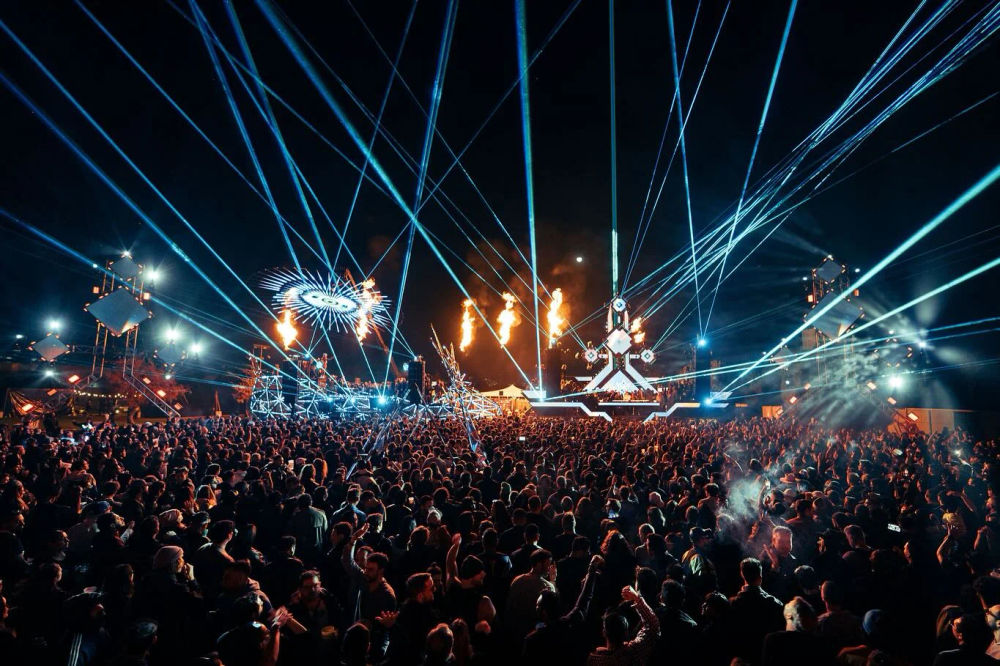
Even with these debates, the demand remains strong. The Tulum Times has followed this seasonal transformation for years, documenting how electronic music has shaped the area’s identity and how travelers appear willing to cross continents to be part of it.
Day Zero and the Ritual That Starts the Season
Day Zero returns on January 10, 2026, setting the tone for the weeks that follow. The festival takes place deep in the jungle, where cenotes form natural boundaries and towering trees frame the stages. Art installations, performers, and a dusk-to-dawn progression create a sense of ritual rather than routine entertainment.

Part of Day Zero’s influence comes from its aesthetic. The event helped popularize the visual language now associated with many Tulum festivals: elemental fire, organic structures, and a focus on atmosphere as much as sound. This year appears no different, with early ticket demand suggesting another large turnout.
Inside the Cenote Phenomenon with PQN

The ¿PorQuéNo? Tulum Cenote Festival brings one of the season’s most distinctive formats on January 3 and 4. Hosted at Vesica Cenote Club, the event merges water, sunlight, and sound into one continuous environment. Day one leans into energetic house led by Eran Hersh, while day two’s White Edition shifts toward a deeper palette guided by Savage and SHē.

Cenote events stand out because they blur the boundary between nature and stage. Visitors float, dance, or rest around the water, creating a fluid, communal rhythm. A traveler from São Paulo described last year’s edition as “the kind of day that feels impossible to repeat anywhere else.”
Solomun’s Night at Tehmplo and the Return of a Key Figure
Solomun returns to Tehmplo on January 8 for a rare Tulum appearance. Known for long, emotionally layered sets, he structures nights that move gradually, allowing the crowd to settle into a shared pace. Tehmplo’s design prioritizes acoustics, spacing, and visual simplicity, giving his style room to expand.

For many fans, this is a milestone night. Solomun’s absence in recent years has only increased anticipation, and his return reinforces how Tulum continues to attract some of the world’s most influential electronic artists.
Keinemusik Brings Berlin Influence to the Riviera Maya
Keinemusik’s takeover of Zamna on January 6 underscores the global nature of Tulum’s nightlife. Their blend of house, Afro elements, and tightly coordinated pacing has shaped dance floors across Europe and the Americas. Previous editions in Tulum drew audiences that stayed until sunrise, and this year appears headed in the same direction.

The event also illustrates a broader trend: international collectives using Tulum as a seasonal meeting point, expanding the region’s influence within global circuits.
Bedouin Returns with a Narrative Approach to the Jungle
One night later, on January 7, Bedouin presents Saga at Zamna. Their style prioritizes atmosphere over intensity, combining organic instrumentation with electronic layers. Guests often describe their shows as journeys rather than sets, a distinction that shapes expectations long before the night begins.

Saga’s return after a hiatus might signal renewed interest in globally influenced deep house across the region. Its production values and visual design contribute to a texture that differs noticeably from other nights in the schedule.
Beachfront Rhythms Take Over Papaya Playa Project and Mía Tulum
Hugel’s Make The Girls Dance showcase arrives at Papaya Playa Project on January 7, offering a lighter, more celebratory tone with Latin-infused house and a setting shaped by waves, moonlight, and open sky. The venue’s beachfront layout creates natural breaks in the evening, with pockets of movement and rest that shift throughout the night.

On January 8, Mía Tulum hosts Handz of Time, returning after a sold-out debut. Led by Savage and SHē, the event blends deep, hypnotic house with a sunset-to-night progression that builds toward a steady, communal energy. The beach setting adds a sense of scale and simplicity that appeals to listeners looking for something less theatrical but equally immersive.
The First Spark of the Season with Chronicles’ Tribus
Chronicles Festival Presents Tribus on December 27 serves as the unofficial ignition of the season. The event leans into intimacy rather than spectacle, focusing on underground sounds shaped for smaller crowds. For early arrivals, Tribus acts as a point of orientation, where strangers often become the familiar faces they continue to see across Tulum for weeks.

This pre-NYE gathering reflects how the season has expanded. What once began in early January now starts earlier as demand continues to push the calendar outward.
Cannabis Culture and Electronic Music Meet at 420 Festival
Set for January 17, the 420 Festival merges house, downtempo techno, and cannabis-friendly spaces in a relaxed open-air environment. While the venue remains unconfirmed, past editions near cenotes and jungle clearings suggest a similar layout for 2026. Organizers appear to be emphasizing interactive art and transitions from daytime calm to nighttime depth.

As a late-season gathering, it attracts visitors who extend their trips as well as those who arrive after early January crowds disperse.
Label Nights Deepen Tulum’s Underground Circuit
The debut of Positive Sounds at Nest Beer House on January 7 brings a Canadian imprint to the region. With Ashkan Dian, Lumero, Samara Del Mara, and Shayne Mags performing, the event targets listeners who prefer close-range settings where the DJ and crowd share the same physical space.

Later in the month, on January 25, Vagalume hosts GO DEEVA, the Italian label known for melodic deep house and Afro elements. Though the lineup remains pending, early demand suggests strong interest, especially among those who favor Vagalume’s beach–jungle hybrid setting.
Weekly Rituals Shape the Season’s Spiritual Undercurrent
Every Sunday from November through April, Bonbonniere Tulum hosts Ancestral Soul Experience, a recurring gathering that blends Mayan-inspired elements with deep house and organic techno. Unlike the one-night festivals dominating the season, Ancestral Soul functions as a weekly ritual that provides continuity for locals, seasonal workers, and long-stay visitors. Live percussion, slow-building rhythms, and ceremonial staging turn the night into something closer to a communal reset than a typical event.

For many returning visitors, this Sunday gathering becomes an anchor point. Some describe it as a chance to reconnect after days spent moving between beach clubs, cenotes, and jungle venues. It might also be one of the few events that creates a bridge between Tulum’s spiritual tourism culture and its electronic scene, a combination that continues to shape the region’s identity.
Italian Rhythms Arrive Late in the Season at Vagalume
On January 25, Vagalume Tulum welcomes GO DEEVA, the showcase from Italy’s Go Deeva Records led by Simone Vitullo. Known for its blend of Afro house, melodic deep house, and organic rhythms, the label brings a sound that already holds strong influence across Europe and Latin America. Though the final lineup is still pending, early demand indicates that listeners expect a high-caliber cast.

Vagalume’s beach–jungle hybrid layout gives this event a different texture from the larger jungle venues. Sunsets frame the early sets, the ocean shapes the atmosphere, and the night gradually transitions toward deeper, more rhythmic performances. For travelers who extend their stay beyond mid-January, GO DEEVA marks one of the last major gatherings of the season, adding a late highlight to a packed schedule.
What Is at Stake as Tulum Festivals Continue to Grow?
The scale of Tulum festivals reflects both opportunity and uncertainty. These gatherings contribute significantly to local economies, from hospitality to transportation. But their growth also raises questions: how the region will manage noise concerns, how cenote systems can remain protected, how infrastructure can adapt to record tourism, and how communities balance seasonal demand with year-round well-being.
What remains clear is that Tulum has become central to the global electronic calendar. Its blend of natural spaces, cultural references, and international talent sets expectations for what a festival season can look like in Mexico. And as long as visitors continue seeking connection, escape, and rhythm, the region will keep evolving to meet that demand.
Tulum festivals are not just events. They are markers of how the Riviera Maya continues to define itself in front of the world. We’d love to hear your thoughts. Join the conversation on The Tulum Times’ social media.
Which part of the season speaks to you the most?