
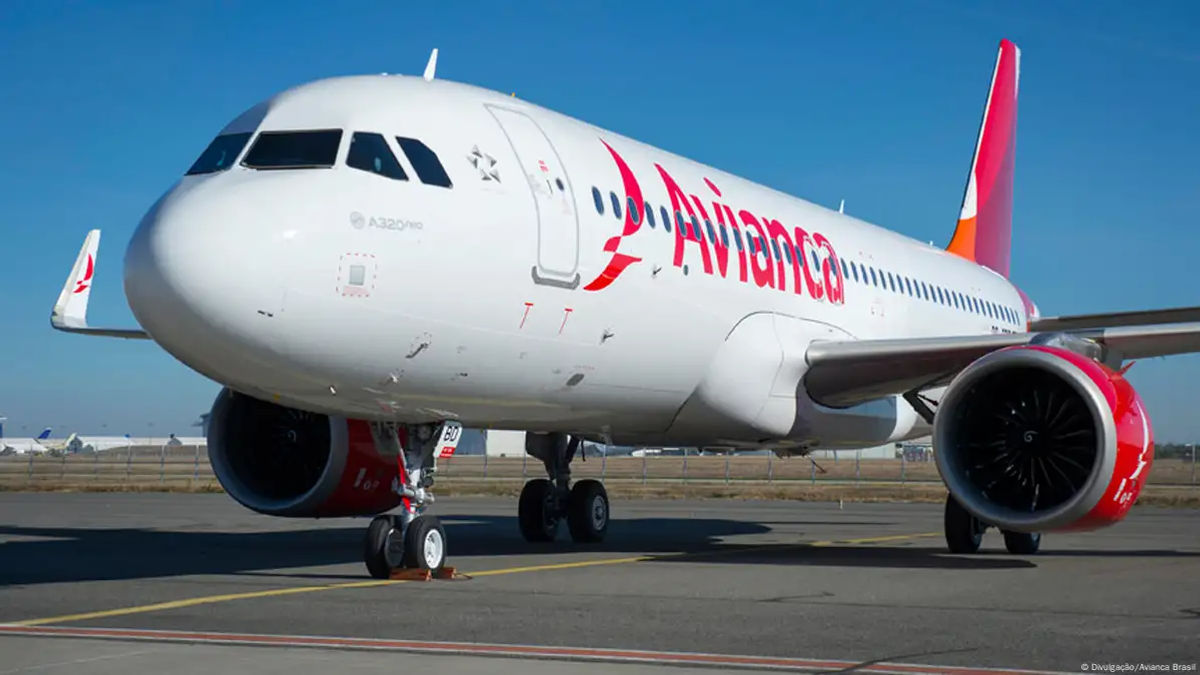
Avianca has inaugurated two new routes from its hub in Bogotá to Monterrey, Mexico, and Belém, Brazil, expanding its Latin American network and reinforcing its regional growth strategy. At the same time, the airline confirmed it has no plans to resume flights to Tulum International Airport, not even during peak travel seasons.
Expanding north and south across Latin America
Both new routes are operated with Airbus A320 aircraft configured for 180 passengers. The Bogotá–Monterrey route will offer four weekly flights with more than 1,400 seats, while the Bogotá–Belém connection will run three times a week, providing over 1,000 seats.
“Monterrey connects another one of our destinations in Mexico, in addition to Mexico City, and we expect to add more routes to the country soon,” said David Alemán, Avianca’s Sales Director for Colombia and South America.
These new connections mark a strategic step for Avianca, which aims to strengthen its leadership in Latin American air travel. With Monterrey, the airline deepens its reach in the Mexican market, while the Belém route opens an unprecedented air bridge between Colombia and northern Brazil.
Tulum dropped from Avianca’s network plan
Despite growing attention around Tulum and its new international airport, Avianca has decided not to reintroduce the route. “We began operations to Tulum, and it lasted a few months, but the route didn’t have the demand needed to continue,” Alemán explained. “We have no plans to resume flights for now, not even seasonally.”
The decision comes as airlines reassess demand patterns across the Mexican Caribbean. While destinations like Cancún continue to dominate international arrivals, newer hubs such as Tulum are still shaping their connectivity profile. For now, travelers from Colombia and South America will need to connect through Cancún or Mexico City to reach the Riviera Maya.
Brazil takes center stage in Avianca’s expansion
Beyond Mexico, Avianca sees Brazil as a strategic cornerstone for its future growth. Alemán emphasized that Belém, gateway to the Brazilian Amazon, offers significant potential. “Brazil is a key market for us. Alongside Manaus, Rio de Janeiro, and São Paulo, Belém represents an important entry point to Brazil from the Amazon region,” he said.
The Belém route could also gain visibility ahead of COP30, the United Nations climate summit to be held in the city later this year. “It opens a much broader range of opportunities,” Alemán noted, pointing to the increasing flow of passengers from northern Brazil seeking connections to the Caribbean, North America, and Europe.
A multimillion-dollar investment to strengthen the network
The new flights are part of a broader modernization plan. In 2025, Avianca is investing more than $800 million to expand and upgrade its fleet, aiming to add six new aircraft by the end of the year. The company also plans to enhance the passenger experience and consolidate its position as a competitive player in the region.
“This investment of more than USD 800 million demonstrates our unwavering commitment to our customers and to Colombia,” said Avianca CEO Frederico Pedreira. “Our model works by offering competitive options and an expanding premium experience. We are investing in more aircraft, an unprecedented route network, and, above all, in the quality of the travel experience.”
Strengthening Avianca’s role in Latin American connectivity
Pedreira underlined that the new operations reflect Avianca’s long-term vision for the continent. “With Monterrey, we reinforce our presence in the Mexican market, while opening a new door between Colombia and northern Brazil with our Belém route,” he said. “We continue to connect people, cultures, and business opportunities across the region with a network that is increasingly robust and efficient.”
The move could position Avianca as one of the key players in Latin America’s evolving aviation landscape, where regional carriers are competing to capture post-pandemic demand and new tourism flows. For Colombia, it also reinforces Bogotá’s standing as a strategic hub linking North and South America.
Aviation analysts note that these two routes highlight how Avianca is fine-tuning its operations for both business and leisure markets, while staying cautious about destinations that still lack sustained demand. The contrast between Monterrey and Tulum shows a pragmatic approach: expanding where demand is steady, pausing where it isn’t.
Looking ahead
As Latin America’s skies become busier again, Avianca’s decisions in 2025 could shape connectivity across the region for years to come. With its latest investment and new routes to Monterrey and Belém, the airline appears focused on long-term stability and regional leadership, while keeping its eyes firmly on sustainable growth rather than seasonal trends.
The Tulum Times reached out to industry observers who noted that Avianca’s strategy aligns with a growing trend among major Latin American carriers: balancing expansion with profitability, and prioritizing routes that integrate both tourism and business travel.
Avianca’s latest move could redefine travel patterns across Mexico and Brazil, underscoring the company’s role as a bridge between two of Latin America’s largest economies.
The launch of these routes marks another step in Avianca’s commitment to regional connectivity. The airline’s focus on strategic expansion rather than symbolic presence could set the tone for how Latin American aviation evolves in the coming decade.
We’d love to hear your thoughts. Join the conversation on The Tulum Times’ social media.
What do you think Avianca’s next major Latin American route should be?