
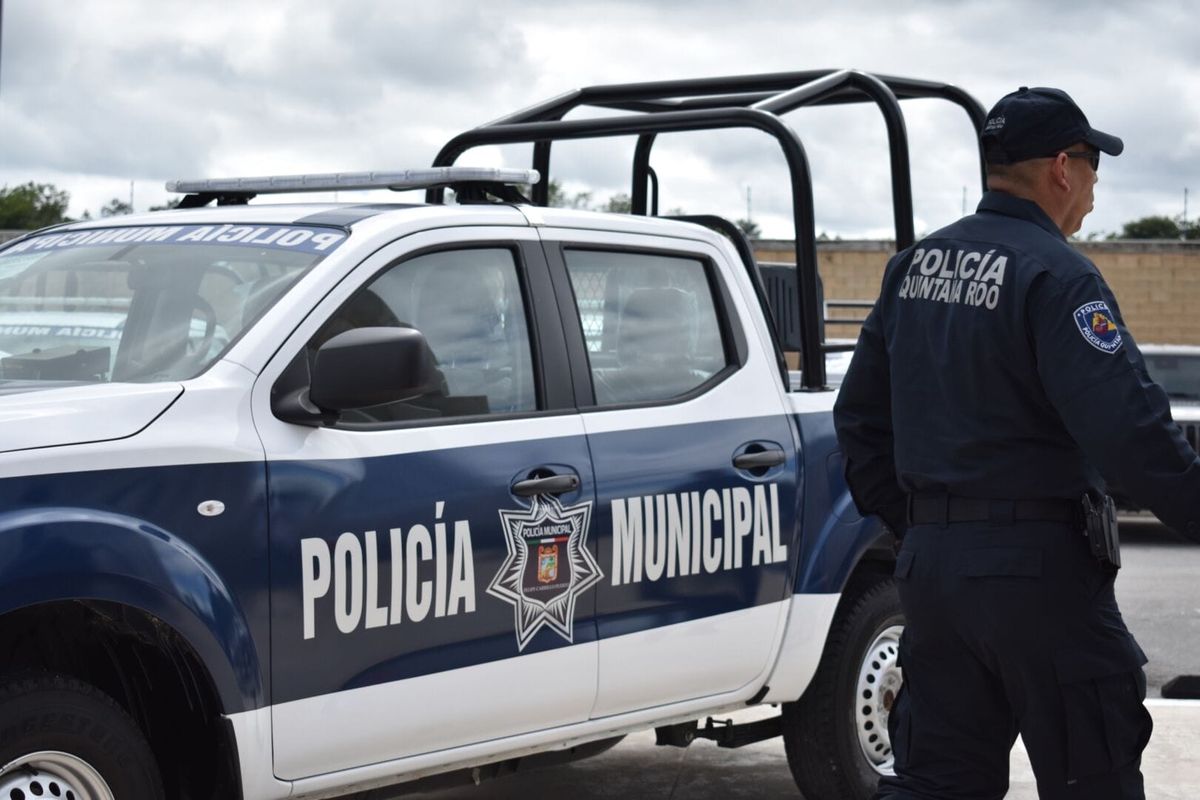
Encounters with police in Mexico can be unpredictable. For most travelers, interactions are routine and lawful. But occasional reports of petty extortion, known locally as mordida, or “bite”, still surface, especially in tourist regions such as Tulum, Playa del Carmen, and Cancún. Understanding how to respond calmly and safely can make all the difference between a brief stop and a costly mistake.
Mexico’s government has taken steps to curb corruption, but the system remains uneven. The following guidance, drawn from real-world experience, explains how to navigate such situations with composure, cultural awareness, and personal safety in mind. It is not legal advice but a collection of field-tested strategies that have helped travelers and residents avoid unnecessary losses and confrontations.
Reading the Situation Before It Escalates
The first step is recognizing what’s actually happening. Extortion attempts typically begin with a minor pretext: a traffic stop, a request for documents, or an alleged infraction. Officers might hint at an immediate fine or imply that “a small payment” could resolve the issue quickly.
If you feel pressured or confused, remember: time is your strongest ally. Corrupt officers usually seek quick payoffs. Delaying, staying polite, and projecting confidence can discourage them. The longer the exchange lasts without yielding results, the less attractive you become as a target.
Calm Is the Most Effective Shield
Panic and confrontation are the two biggest mistakes travelers make. Keeping your tone steady and your body language relaxed signals that you understand your rights and are not easily intimidated. Avoid raising your voice or making sudden movements. A composed, courteous demeanor often disarms the tension and prevents escalation.
One long-term resident in Quintana Roo told The Tulum Times, “The calmer you are, the faster they realize you’re not worth the trouble.”
That calmness becomes your silent negotiation tool, firm but non-threatening, compliant on the surface while resolute underneath.
The Power of the “Compliance Nod”
Even without fluent Spanish, body language bridges gaps. Slowly nodding as officers speak gives the appearance of cooperation. This subtle gesture, known as the “compliance nod,” buys time and reduces hostility.
You’re signaling understanding, not submission. It keeps the atmosphere predictable and non-confrontational while you think through your next move. In Mexican culture, courtesy and patience go far, especially when combined with confidence.
Handling Physical Pressure Tactics Safely
Sometimes, officers might attempt to intimidate further by showing handcuffs or gesturing toward detention. Stay calm, step back slightly with your hands visible, and avoid physical resistance. The goal is to maintain space and prevent physical control without giving them a reason to claim aggression.
Never grab or touch an officer. Instead, keep movements deliberate and slow. If you feel the situation turning unsafe, disengage verbally and seek help from nearby locals, a hotel, or your embassy’s emergency contact.
Speaking a Few Key Spanish Phrases Can Help
Even limited Spanish can shift the dynamic. Two useful phrases have proven effective for residents and long-term travelers:
“Yo vivo aquí”, I live here.
“Ve a molestar a un turista”, Go bother a tourist.
The first signals local familiarity, suggesting you know how things work. The second redirects attention elsewhere without open defiance. Combined with a confident tone and calm expression, these sentences communicate that you’re not a naïve visitor.
The Long Game: Wearing Them Down
Persistence and repetition form the core strategy. Calmly assert that you have done nothing wrong, will not pay any money, and are willing to wait as long as it takes. The approach transforms the encounter into an unprofitable investment of time for the officers.
Useful phrases include:
“Estás perdiendo tu tiempo”, You’re wasting your time.
“Sé cómo funcionan las cosas aquí”, I know how things work here.
“Podemos ir y venir toda la noche, pero no vas a sacar dinero de mí”, We can go back and forth all night, but you won’t get any money from me.
Mixing Spanish and English can be effective. The key is composure and consistency. After ten or fifteen minutes, many officers simply lose interest. Their priority is quick, easy earnings, not lengthy standoffs with composed foreigners.

When to Record or Escalate
If 20 minutes pass and the situation remains unresolved, it may be time to introduce accountability. Take out your phone, calmly, and begin recording video or audio. Politely ask for their names and badge numbers: “¿Cuál es su nombre y número de placa?”
This move often shifts the power dynamic. The presence of a camera and a clear request for identification can prompt officers to reconsider, as documentation exposes them to potential disciplinary action.
However, use this tactic only after earlier steps fail. Recording too early might provoke defensiveness or anger, particularly in remote areas or late-night stops.
Protecting Yourself Without Provocation
If the officers approach too closely, place your hands on your chest or behind your back, keeping them visible but out of reach. This position makes handcuffing more difficult while avoiding physical confrontation. Continue stepping back slowly and repeating your calm, firm phrases.
Confidence and patience, not defiance, are your safeguards. In most cases, persistence works better than resistance.
Prevention Is Still the Best Defense
Most encounters can be avoided altogether. Follow basic precautions:
- Stay in well-lit, populated areas.
- Avoid carrying large sums of cash.
- Obey traffic and alcohol laws.
- Keep photocopies of identification and licenses handy instead of originals.
Simple habits demonstrate responsibility and reduce the odds of being singled out. In many Mexican states, including Quintana Roo, police reform and oversight are improving. But opportunistic behavior lingers where tourism and quick cash intersect.

Reporting and Accountability Options
If an incident occurs, discreetly record details and report them afterward. Mexico’s Secretaría de la Función Pública runs anti-corruption hotlines. Foreign travelers can also contact their embassy or consulate for assistance.
In Tulum, local authorities encourage direct reporting of misconduct. The Secretariat of Public Safety and Citizen Protection of Tulum, under the direction of Secretary Edgar Aguilar Rico, informs that residents and visitors are invited to report any anomaly or suspicious situation involving municipal officers directly to Tulum’s Internal Affairs and file a corresponding complaint.
Contact for Internal Affairs: 984 196 6865
In parallel, the Secretariat continues implementing community outreach and ongoing police training programs designed to strengthen immediate response and citizen service. During the holiday season, officials urge the population to act responsibly, particularly by avoiding alcohol consumption when driving, to prevent accidents and ensure public safety.
The Secretariat of Public Safety and Citizen Protection reiterates its commitment to maintaining a safe environment through collaboration between citizens and authorities.
Knowing When to Comply or Seek Legal Help
Every situation is unique. If faced with legitimate charges, threats of violence, or multiple officers, prioritize safety above principle. Comply temporarily if necessary, and contact a lawyer or your embassy immediately afterward.
Mexico’s legal framework includes laws against police corruption, and reforms such as the National Guard have improved oversight. Still, enforcement remains uneven, especially in coastal tourist zones.
Understanding the Bigger Picture
Corruption is not exclusive to Mexico, but the visibility of police encounters in tourist destinations makes it a recurring issue for international visitors. Many residents in the Riviera Maya note that education and local familiarity often deter extortion attempts. Knowing how to respond, firmly, respectfully, and without fear, sends a clear message: you are informed and unyielding.
As one seasoned traveler put it, “They look for easy money. The moment they realize you’re not easy, they move on.”
A Balanced View of Travel in Mexico
Mexico remains one of the world’s most visited countries for a reason, its people, culture, and natural beauty far outweigh occasional risks. Most law enforcement officers act professionally. For those rare exceptions, preparation can keep your trip stress-free and your wallet intact.
Stay aware, stay calm, and enjoy the country responsibly.
We’d love to hear your thoughts. Join the conversation on The Tulum Times’ social media.
What strategies have worked for you in handling tense travel encounters abroad?