
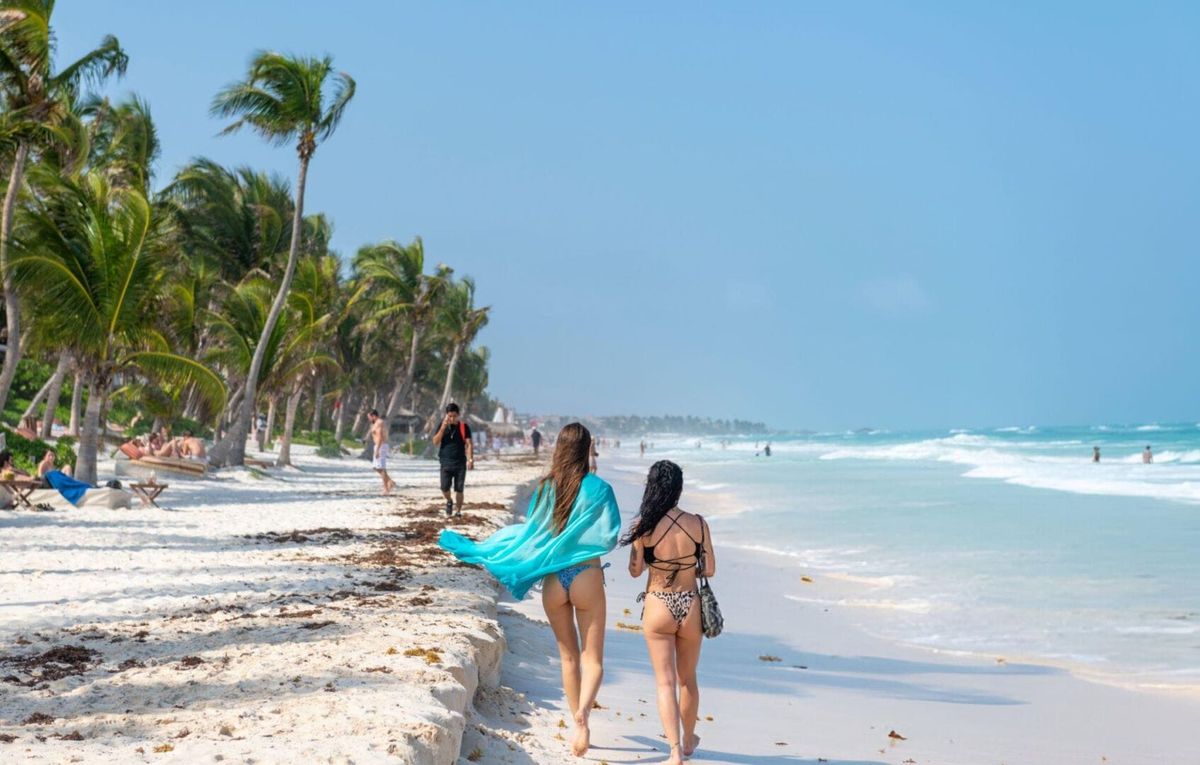
Tulum doesn’t beg for your attention. It doesn’t shout. It leans back under a palm, lets the breeze do the talking, and waits for you to tune in. With beaches as soft as sifted sugar, cenotes that gleam like glassy secrets, and a pulse powered by both ancestral Mayan spirits and modern-day bass drops, Tulum isn’t just a vacation spot. It’s a mood. A temptation. And sometimes, if you’re paying close enough attention, a mirror. That’s why asking about the best time to go to Tulum isn’t really about dates on a calendar, but about when you’re ready to meet the version of yourself this place is holding for you.
Here’s the thing: Tulum refuses to be just one thing. It changes shape with the calendar. What you find in January won’t be what greets you in July. This town has seasons, not just of weather, but of character. Some months sparkle with energy, while others hum with introspection. Which is why figuring out the best time to visit Tulum isn’t really about tracking temperature or rainfall. It’s about understanding your own craving.
Are you dreaming of postcard-perfect skies, beach bars that blur into sunrise, and a crowd that moves like a single heartbeat? Then maybe you’re a high-season soul. But if you’re drawn to long, silent swims in jungle-fed cenotes, the distant scent of cochinita pibil curling through empty streets, and a version of Tulum where time moves like honey, your moment might come in the quieter months.
Because every season in Tulum tells a different story.

In winter, the town is electric. The skies are spotless, the music is loud, and everyone seems to be dancing to some invisible rhythm. It’s beautiful, but make no mistake: it’s crowded, it’s pricey, and if you’re not into the festival-fueled buzz, it might feel more like Ibiza in the jungle than a beach escape.
Spring shifts the pace. The energy is still alive, but softer. The weather remains kind, the sargassum (usually) stays away, and the beach clubs are just the right kind of busy. It’s a sweet spot, if you don’t mind sharing it with others who’ve read the same travel blogs you did.
Summer brings heat, rain, and contradiction. You’ll get better deals, fewer tourists, and the kind of stillness that makes you question what month it is. But you’ll also risk the rise of sargassum on the shores and storms rolling in like uninvited guests. It’s not perfect, but it’s honest.
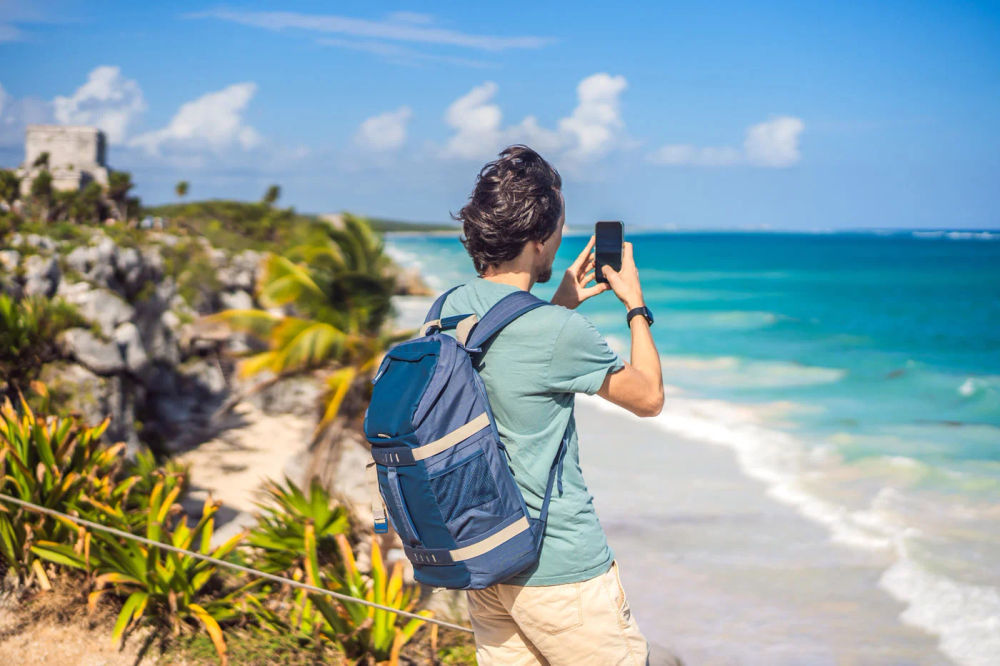
Then comes autumn. Quiet. Brooding. Beautiful. This is when Tulum sheds its skin and returns to something raw. The jungle smells more alive. The streets slow down. And if you’ve ever wanted to feel like the town belongs just to you, this might be your season.
So, when is the best time to go to Tulum?
That depends on what you’re chasing. A party, a pause, a reset, or something you can’t quite name. Tulum won’t tell you what to look for. It’ll simply wait until you arrive, look you in the eye, and ask if you’re ready.
Winter in Tulum: High Season, High Energy, and Zero Regrets
If Tulum had its own gala, its own dazzling red carpet moment, winter would be it. December through February is when this coastal paradise hits peak performance, with every element tuned to perfection: the skies are clear, the sea sparkles, and the vibe? Unapologetically electric.
While much of the Northern Hemisphere trudges through grey slush and freezing winds, Tulum seems to have made a pact with the sun. Daily temperatures settle into a golden rhythm, highs around 27°C (80°F), with evenings that cool just enough to make a light linen shirt feel luxurious. Rain becomes a memory. Humidity? Barely a whisper. It’s the kind of weather that makes sunsets linger and mezcal taste like poetry.
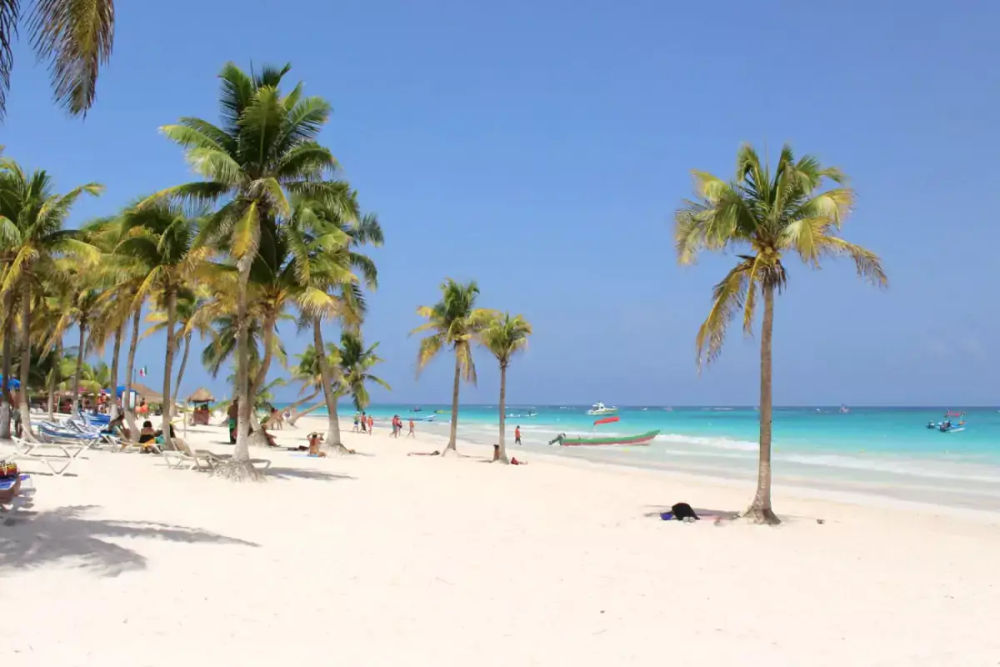
And the beaches? They’re not just beaches, they’re invitations. Playa Paraíso and Playa Ruinas unfurl like silk underfoot, free of sargassum and full of promise. The Caribbean Sea, calm and impossibly turquoise, lies in wait for swimmers, kiteboarders, and paddleboarders. Even the wind seems to cooperate, offering just enough breeze to keep things comfortable while you float somewhere between a postcard and a dream.
But Tulum doesn’t keep this magic to itself. Winter is high season, and the world shows up. Hotels brim with guests. Beach clubs like Papaya Playa Project and Ahau pulse with life, sunrise yoga in the morning, deep house by nightfall. Reservations become ritual. The town is alive with a transient mix of digital nomads, wellness seekers, electronic music devotees, honeymooners, and families chasing sun-drenched memories.

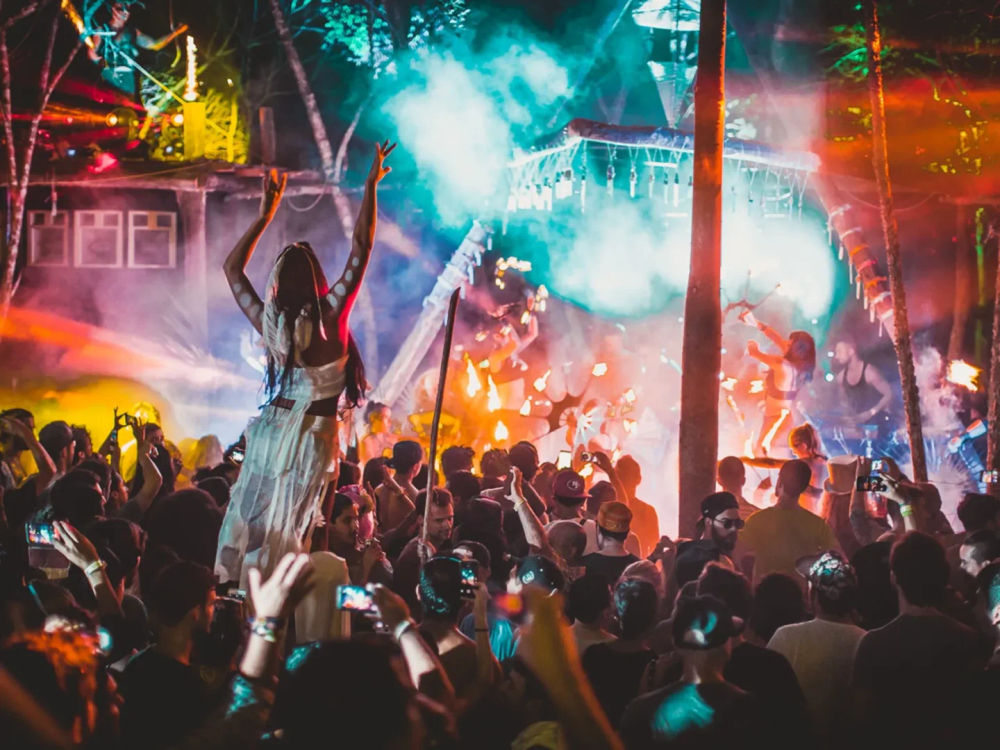
It’s not just the beaches that go into overdrive. December brings a full cultural calendar, beginning with posadas, twinkling lights, and festive feasts in chic restaurants. Then comes Zamna Festival, Tulum’s answer to Burning Man meets the jungle, a multi-day music odyssey that transforms the trees into temples of sound. Soon after, Day Zero descends: one explosive night of tribal techno and ancestral fire, where the line between rave and ritual vanishes in the undergrowth.
And yet, even in the din, serenity survives.
Mornings are for exploration. Visit the Tulum Ruins before the sun climbs too high, the ancient stones above the turquoise sea offer a kind of quiet power. Take a side trip to Coba, where the jungle feels cooler, and climbing a Maya pyramid becomes less punishment, more pilgrimage. Or plunge into the region’s famed cenotes, Gran Cenote, Dos Ojos, Cenote Calavera, where brisk freshwater renews body and spirit alike. When you emerge, the air embraces you. No sweat. No sting.

Families thrive in winter, too. The calm seas are child-friendly, the weather is consistent, and the tacos are omnipresent. For couples and luxury travelers, it’s splurge season. Think beachfront villas, chef’s tasting menus, and private catamaran sails at golden hour. No regrets, just curated perfection.
Culturally, Tulum doesn’t forget its roots. Christmas brings warmth beyond the sun, New Year’s Eve delivers fireworks against the surf, and Carnaval, by February, adds a burst of color to the pueblo, costumes, drums, and that unmistakable sense that life, here, is meant to be danced.
But here’s the trade-off: you’re not the only one who noticed. Prices soar. Flights vanish. Want that ocean-view suite for New Year’s? Better book before your summer tan fades. Tulum in winter is a beautiful contradiction, free-spirited, but fiercely in demand.

So, who thrives in this high-season wonderland? Festival pilgrims, winter escapees, sun worshippers, and anyone seeking the version of Tulum that the world has been whispering about. The one that doesn’t just live up to the hype, it glows with it.
Spring in Tulum: Sunshine, Seaweed, and the Sweet Spot Between the Storms
Spring doesn’t make a grand entrance in Tulum. It slips in sideways, like a late guest to the afterparty, quieter than winter’s glitter and glow, but just as welcome. March opens the season with cloudless skies and warm, golden days. The beaches are still blissfully uncrowded, the sea calm, and the air easy to love. But by May, the temperature climbs. The breeze dozes off. And the sea, once crystalline, starts bringing in an uninvited guest: sargassum.
Let’s not overdramatize, March and April remain prime months. Expect nearly uninterrupted sun, with temperatures between 28–31°C (82–88°F). March, one of the driest months of the year, is practically allergic to rain. April begins to heat up, but ocean breezes still do their part. It’s in May that things shift: the humidity rises, sweat becomes a constant companion, and Tulum starts to flirt, rather aggressively, with summer.
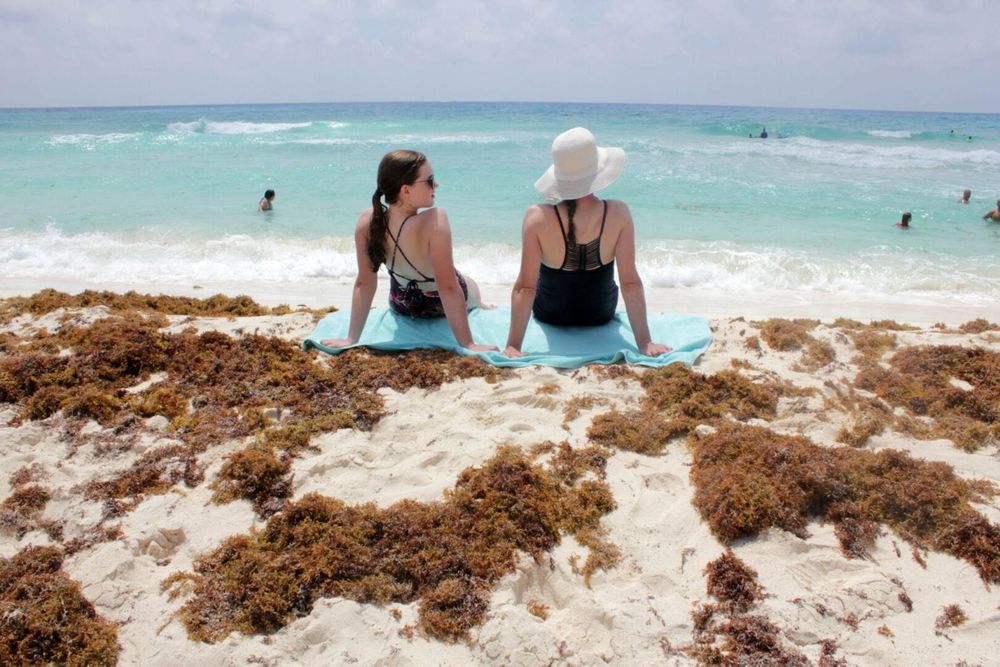
And yes, here comes the seaweed. Mid to late spring ushers in sargassum season. This golden-brown algae drifts ashore, sometimes lightly, sometimes with full tropical flair. April marks the start, and by May, it can accumulate in earnest, carried in by warming waters and wandering currents. Local cleanup crews work daily, and conditions can change by the hour. Some mornings, the beaches sparkle. Others, not so much. If you’re dreaming in turquoise, it’s worth checking the seaweed forecast before you book.
But don’t let that deter you. Spring has its own magic, quieter, yes, but no less rich.
March brings a burst of travelers, as Spring Break breathes youth and energy into the town. But Tulum, ever the elegant cousin to raucous Cancún, keeps things elevated. Think DJ sets by the pool, art pop-ups, and rooftop cocktails. Less tequila body shots, more mezcal tastings at sunset.

One major moment to watch? Semana Santa, or Holy Week. Falling in late March or April, it draws thousands of Mexican families to the coast. Beaches fill up, hotel rates spike, and Tulum becomes a vibrant mosaic of local traditions and bustling tourism. For a week, the town glows, and groans, with life.
Then, as quickly as it arrived, the crowd thins. By late April and into May, the tempo drops. Prices follow. Suddenly, you can walk into that jungle restaurant everyone talks about, no reservation, no side-eye from the hostess. The weather stays strong, but the stress dissolves.
And that’s when you start to explore. Really explore.
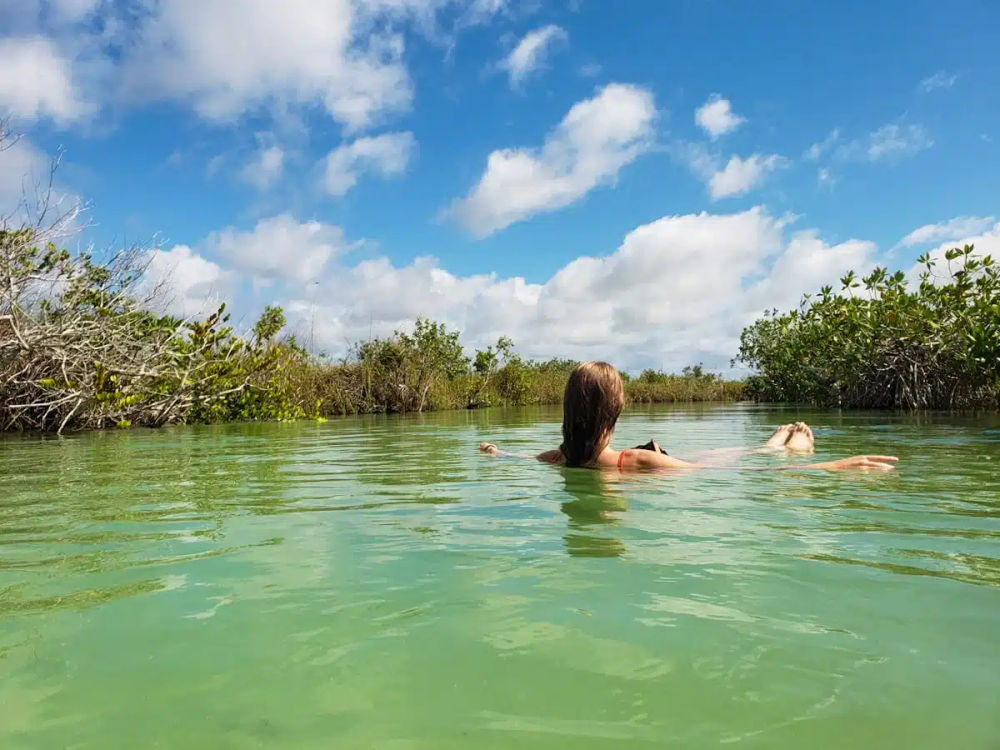
Spring is cenote season. As the heat intensifies, these cool, subterranean pools become sacred. Visit Gran Cenote for its cathedral-like clarity. Drift in Nicte-Ha, where lily pads and dragonflies play host. Or hide out in Tak Be Ha, a shaded underground oasis that feels almost cinematic in its stillness. In May, these places feel like secret worlds, untouched by tourists, blessedly free of sargassum, and cool enough to make you forget the sun.

Nature doesn’t rest, either. Sea turtles begin their nesting season in May, returning under moonlight to beaches like Xcacel and Akumal. Witnessing this ancient ritual, if done respectfully, is a rare kind of privilege. And offshore, whale sharks start their migration near Cancún, with day trips departing from Tulum for those bold enough to swim alongside these gentle giants.
Culturally, spring serves up surprises. Late April often hosts Art With Me, a kaleidoscope of sculpture, sound, and immersive installations that turns Tulum into a live-in museum. Think yoga beneath light sculptures, palm-shaded concerts, and sunset rituals that blur the line between festival and spiritual retreat. And if the Tulum Food, Spirits, and Wine Festival lands in spring, dates vary, expect master mixologists turning mangoes and mezcal into something dangerously poetic.

By May, the nightlife downshifts. The mega-raves pause. In their place: live jazz at Batey Mojito Bar, quiet cocktails with bartenders who actually have time to chat, and late-night strolls through Tulum Pueblo that remind you this town still has a soul.
One more incentive? May is bargain season. Hotel rates drop 20–30%. Tours become more flexible. Group excursions magically turn into private adventures. The town exhales. The pace slows. And the heat, thick as honey, brings with it a sense of stillness you won’t find in winter.
So, who is spring in Tulum for?
Travelers chasing balance. The ones who want sunshine without winter’s frenzy. Who knows how to pivot from beach to cenote when the seaweed hits? Nature lovers. Culture hunters. Curious minds who don’t mind a little sweat if it means more space, more quiet, and more moments that feel truly, and uniquely, theirs.
Summer in Tulum: Heat, Storms, and Solitude for the Brave of Heart
Let’s not pretend. You’re going to sweat.
Summer in Tulum doesn’t whisper, it smolders. From June to August, this isn’t the postcard-perfect paradise of winter. It’s the jungle in full voice. The air turns dense, the sun relentless, and the landscape bursts into wild, green chaos. Temperatures rise to 30–34°C (86–94°F), and with humidity draped over your skin like a damp shawl, the real-feel often soars far higher. It’s like walking through a slow-motion dream, written in vapor and sunbeams.

Then, inevitably, it rains. And not the kind of drizzle that gently apologizes for interrupting your beach day. These are cinematic, tropical deluges, roaring onto tin roofs, slicing through still air, silencing conversations with sheer force. Yet most days still open quietly, with soft, golden mornings before the skies pull their dramatic curtain in the afternoon. The storms erupt and fade like sudden applause, and just as quickly, the sun returns.
And here’s the paradox: while the weather grows louder, Tulum itself becomes quiet.
Why? Because most tourists have vanished.
This is the low season. And for the bold, it’s a gift. Hotels that once charged luxury rates slash their prices. Beachfront villas go for half what they did in January. Restaurants no longer require reservations, just curiosity and an appetite. Tours run semi-private by default. If you crave space, silence, and the kind of travel that feels like a secret, summer is your golden hour.

Now, the downside: sargassum, in all its murky, sulfur-scented reality. June through August is peak seaweed season. Some days, the shoreline glows brown. The water, once turquoise, looks bruised. But the seaweed doesn’t strike uniformly, conditions shift daily with winds and tides. Local cleanup crews work tirelessly, and some beaches, especially those in sheltered coves or facing north, are spared. Still, if you came only for the beach, you might be disappointed.
But Tulum isn’t just about the sea. It’s also about the underground.
Summer is cenote season, and cenotes are salvation. Step off the steaming jungle path and plunge into these cool, glassy freshwater pools, Cenote Calavera, Carwash, Cenote Cristal, where the air lightens, the noise fades, and time dissolves. Go early, and you might have them to yourself. It feels like discovering the Garden of Eden, only wetter, and with bats overhead.

If you’re a diver, this is your moment. Dive schools are less busy. Sunbeams pierce underwater caverns in perfect cinematic rays. New divers get hands-on attention, and seasoned ones get unhurried access to Tulum’s submerged world.
Don’t dive? Try Laguna Kaan Luum, where a cenote lies hidden within a tranquil lagoon, vibrant, shallow, untouched by seaweed. Or snorkel at Yal-Kú Lagoon, where freshwater mingles with the sea, offering calm, colorful fish and zero waves.

Above ground, the jungle thrives. It’s alive in that heavy, breathing way only tropical forests can be. Birds cry louder. Leaves gleam greener. Take a boat ride through the Sian Ka’an Biosphere Reserve, where flooded mangroves mirror the sky, and if you’re lucky, dolphins, crocodiles, and manatees make cameo appearances. ATV and buggy tours get muddy, and way more fun. Ziplines fly over canopies now electric with life.
Wildlife takes the spotlight in summer. Turtle nesting season peaks, with females returning nightly to lay eggs beneath the stars. By August, hatchlings emerge, scampering toward the sea in a spectacle of fragile determination. Local groups often host turtle release events, quiet, profound moments that leave you changed.

And in deeper waters? Whale sharks. These gentle giants gather north of Cancún. Tours run from Tulum to Holbox and beyond, giving travelers the chance to snorkel beside the largest fish on Earth. It’s humbling, unforgettable, and absolutely worth the sunburn.
Think summer kills the vibe? Think again.
The mega-festivals may rest, but the rhythm never stops. Papaya Playa Project still hosts Full Moon parties, albeit more intimate. Local bars and beach clubs keep DJs spinning, barefoot, low-key, and more about connection than clout. The crowd shifts: more locals, more artists, more digital nomads who came for a week and stayed through hurricane season. The energy changes, less spectacle, more soul.

Even the calendar stays lively. In July, Festival de la Cruz Parlante brings Mayan history to life through music, dance, and ancestral ceremony. In August, Lobster Festival kicks off, celebrating the reopening of lobster season with street feasts, live music, and shell-cracking joy. It’s a party with flavor and heritage.
So, who chooses Tulum in summer?
Brave hearts. Curious minds. Travelers who trade perfection for presence. Artists, adventurers, digital wanderers, wildlife lovers. Those who’d rather have the beach to themselves, even if it’s not flawless, than share paradise with a thousand others. Those who believe that magic doesn’t require ideal conditions, only an open spirit.
Because no, you won’t get a perfect beach every day.
But what you will get is something rarer: a quieter Tulum. One that leans in instead of performing. One that offers you space to reflect, to explore, to truly feel where you are.

Fall in Tulum: Storms, Spirits, and the Quiet Rebirth of Paradise
It’s raining again. But somehow, it’s not a nuisance, it’s poetry. Palm fronds quiver in the breeze. The scent of wet earth mingles with ocean air. Tulum Pueblo’s streets glisten under puddles, echoing with occasional laughter that cuts through the gray. This is fall in Tulum, a season most overlook, and a secret treasured by the few who stay.
Let’s be clear: September and October are the wettest months in this region of Mexico. These aren’t brief afternoon sprinkles; we’re talking real tropical drama, multi-day rainfalls, spontaneous floods, and the ever-present possibility of hurricanes. From mid-September to late October, the weather plays its wildest cards.

And yet, somehow, Tulum still glows in the pauses. The rain doesn’t fall nonstop. There are serene mornings wrapped in the breeze. Drenched afternoons that dry into pastel sunsets. When the clouds lift, the light feels like something sacred. And with so few people around, every clear sky becomes your own personal miracle.
Temperature-wise, it’s still warm, hovering around 30°C (86°F) in September, then slowly easing to a gentler 27–28°C (81–82°F) by November. The humidity clings until late October, and then, finally, the air begins to lighten. Nights shift from steamy to soft. You remember what it feels like to sleep with a breeze instead of a fan.
By November, Tulum begins to stir again. The rain calms. The sargassum retreats. The skies open. And the town, after weeks of introspection, begins to bloom.
But before that revival, there’s quiet, a deep, almost cinematic stillness. Many restaurants close temporarily. Boutique hotels board up for renovations. Beach clubs go silent. The ones that remain operate like whispers, grateful, open, and yours for the taking. Walk the shoreline, and you may not see another soul. The solitude is real, and strangely beautiful.

The cenotes, as always, remain open, and magical. Even in the rain, they offer something otherworldly. Picture this: droplets tracing circles across the surface while you float beneath, surrounded by stone and silence. Visit Cenote Sac Actun, drift through Dos Ojos, or sink into Cenote Cristal with no crowds, no rush, just reverence.
Prefer to stay dry? Fall is wellness season in Tulum. With fewer visitors, the spas offer deals and calm. Try a Mayan clay massage during a thunderstorm, the sounds outside sync with your heartbeat. Join a cacao ceremony. Learn to make pollo pibil or hand-press tortillas in a local home kitchen. This is when the soulful side of Tulum flourishes, away from the parties and playlists.
And culturally? Fall carries weight.

Mid-September marks Mexican Independence Day. On the night of the 15th, head to the plaza in Tulum Pueblo. You’ll hear the “Grito de Dolores,” taste elotes and churros, and maybe dance under papel picado in green, white, and red. It’s small-town patriotism with a tropical twist.
Then comes the most sacred time: Día de Muertos.

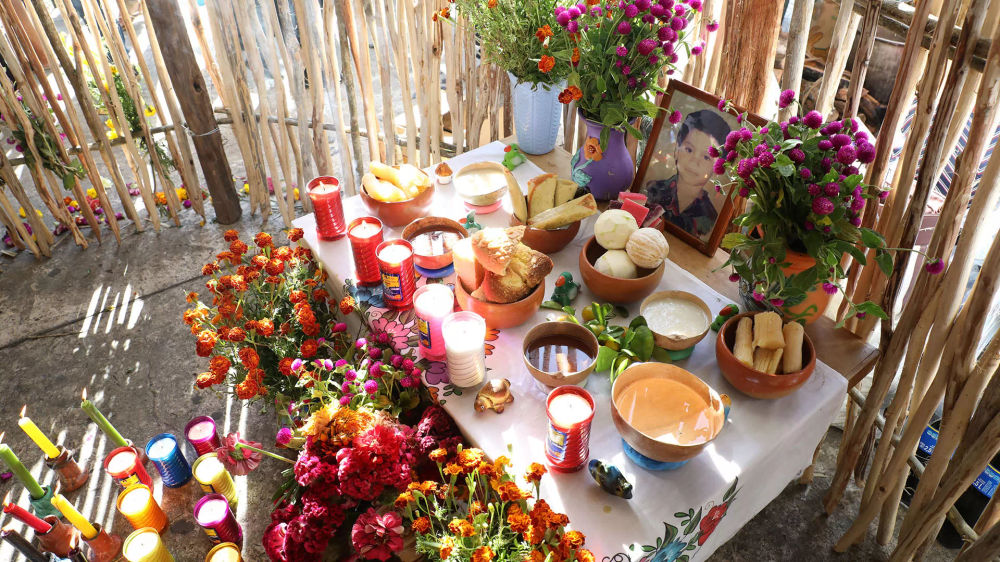
From late October through early November, Tulum changes. Altars rise in cafes, hostels, and homes. Marigolds, candles, and black-and-white portraits of the departed flicker with memory. Face paint becomes a ritual. Cemeteries fill with music, food, and family. In Tulum, this tradition blends with Hanal Pixán, a Maya ceremony honoring the dead. It’s not a performance. It’s a moment of communion. And if you’re lucky, and respectful, you might be invited to witness something unforgettable: a night of quiet reverence and vibrant life, lived side by side.
Come early November, the town awakens. The beach is clear. The air cools. And travelers begin to return, slowly, cautiously, as if rediscovering a secret. It’s a shoulder-season dream: calm seas, open tables, and prices that haven’t yet leapt into winter heights.
By mid to late November, the rhythm picks up. DJs return, menus expand, and new venues open their jungle doors. If you time it right, you might catch the Tulum International Film Festival, cinematic gems projected under the stars. Or head to Playa del Carmen for the Riviera Maya Jazz Festival, free shows, sand under your feet, saxophone solos in the night.
Prices track the change. September and October are the lowest of the low, think last-minute deals, surprise upgrades, and hotels grateful just to see you. Tours often become private by default. In November, rates start to rise, slowly at first, then sharply after Thanksgiving as high season stirs to life.
So, who is Fall in Tulum really for?
The patient. The curious. The ones who don’t panic at rain, who find wonder in overcast skies and poetry in puddles. It’s for writers, photographers, digital nomads, and seekers of quiet things. It’s for those who value ritual over routine, and who would trade perfection for presence any day.

If you crave sunshine, come in November. If you crave meaning, arrive for Día de Muertos. And if you simply want a hammock, a novel, and the sound of warm rain on a palm roof, September is waiting.
Every Season Is a Different Kind of Paradise in Tulum
Tulum doesn’t wait for your validation. It doesn’t beg for stars on a travel app or bend itself into your expectations. Instead, it presents you with versions, sunlit and stormy, exuberant and hushed, chaotic and serene, and lets you choose the one that matches your rhythm.
Some will insist there’s a best time to visit Tulum. They’ll swear it’s winter when the weather is perfect and the beach clubs pulse from dusk till dawn. Or spring, when everything feels balanced, not too crowded, not too quiet. Or maybe fall, when the rains wash away the gloss and reveal something raw and real. But that’s not the right question.
Because there is no best time.

There is only your time.
Come in winter if you want your days dipped in gold and your nights buzzing with life. December through February is when Tulum goes full throttle, vibrant, curated, photogenic. The skies are clear, the seaweed stays offshore, and every sunset seems to beg for a toast. This is the high season for a reason: it’s flawless, fiery, and undeniably fun.
Choose spring if you crave sunshine with a side of space. From March to May, the days stretch long, the crowds thin just enough, and the town breathes between beats. Yes, the sargassum might begin to whisper ashore, but the cenotes are cool, the culture is alive, and the pace is yours to set. It’s a sweet-spot season, ripe, golden, and easy to love.
Embrace summer if you’re drawn to the wild heart of the jungle. June through August is sweaty, stormy, and absolutely pulsing with life. The rains come like percussion. The sargassum makes its heavy appearance. But so do baby sea turtles. Whale sharks. Empty beaches and soulful silence. This is Tulum unmasked, raw, bold, and more real than any filtered feed.
And trust fall if you’re not afraid of getting wet and waiting for the magic between storms. September through November is the low season, quiet season, but also sacred season. Independence Day parades. Día de Muertos altars glowing with marigolds. Whole stretches of sand that feel like they’ve been left just for you. Tulum slows down, but it doesn’t stop. It softens and deepens.
Because ultimately, Tulum isn’t just about weather or prices or crowd sizes.
It’s about a feeling. A mood. A moment.
Every season here reflects something different, not just about the town, but about you. Whether you come in search of music or meditation, glamour or grounding, Tulum will meet you where you are, and offer you a version of itself that speaks your language.
So don’t ask when is the best time to come.
Ask instead: Who do you want to be when you arrive?
And which Tulum are you ready to meet?
We’d love to know your answer, join the conversation on The Tulum Times’ social media.