

The meaning of cenotes in the Maya world might appear timeless, yet new research suggests these underground spaces held shifting roles that reveal how ancient communities understood death, memory, and the passage to the underworld. That question has returned to the center of archaeological debate in Quintana Roo after fresh analyses of human remains found in submerged cave systems near Tulum. And as modern tourism once again fuels demand for cenote diving, the connection between past and present grows unexpectedly sharper.
The discussion resurfaced during a virtual lecture by underwater archaeologist Carmen Rojas Sandoval of the National Institute of Anthropology and History in Quintana Roo. Speaking at an academic seminar hosted by the National Autonomous University of Mexico, she described how recent findings across the Yucatán Peninsula could redefine scholarly interpretations of mortuary rituals and the ancient notion of Xibalbá.
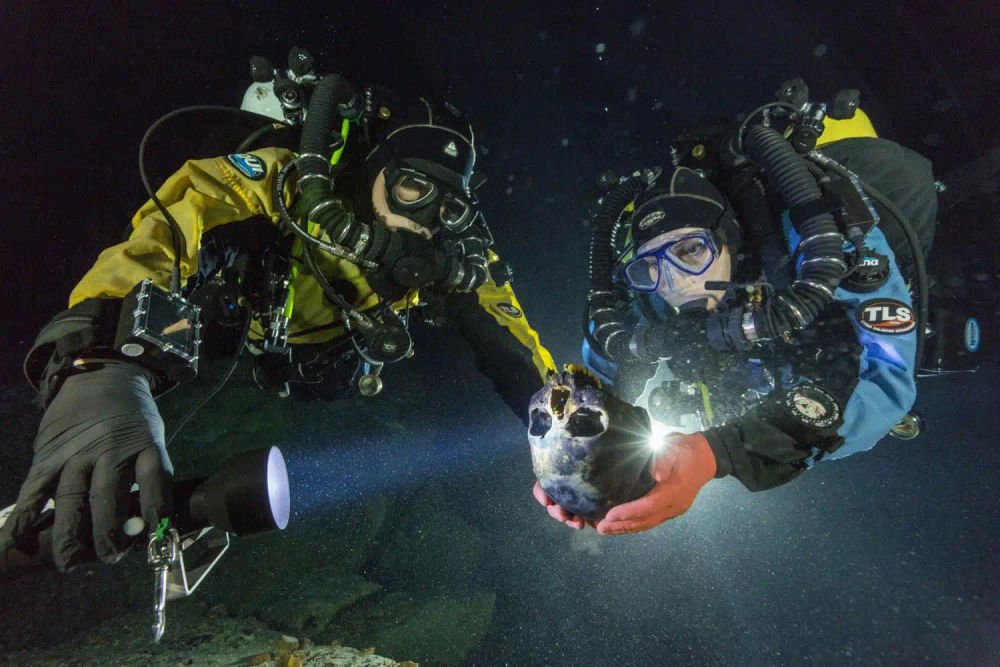
Ancient routes to the Maya underworld inside the cenotes
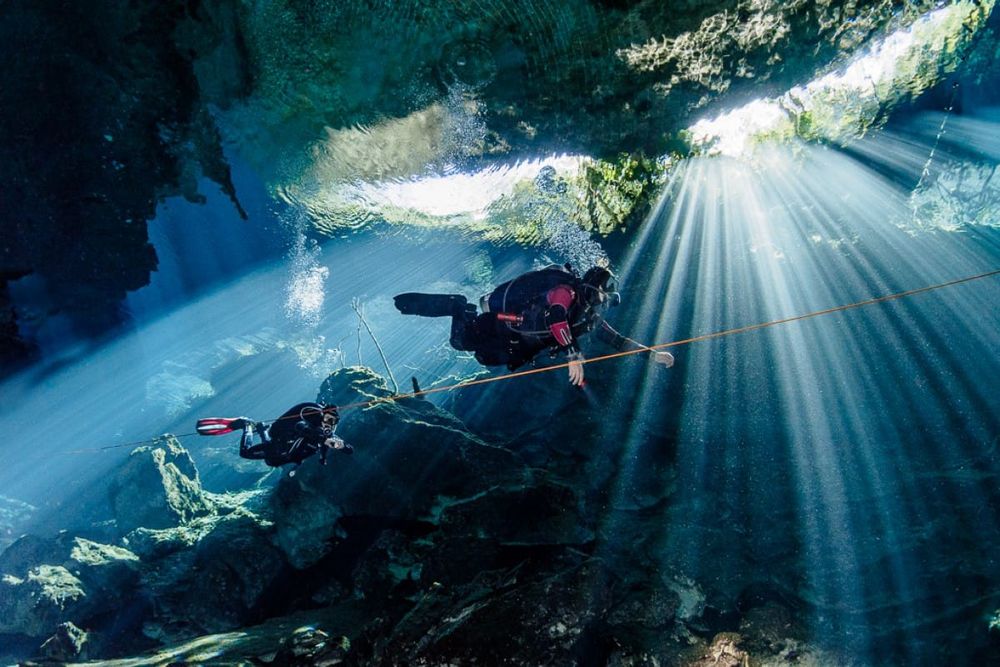
According to Rojas Sandoval, cenotes and caves were not merely geological formations but deliberate mortuary settings dating back to prehistoric times. Excavations in sites such as Naharon, Las Palmas, Muknal, Chan Hol 1, Chan Hol 2, and Ixchel indicate consistent use of subterranean chambers from early human occupation to the Maya Classic period between 250 and 900 AD. Archaeologists believe these settings were carefully selected for both symbolic and environmental reasons.
One micro-story illustrates how deep these traditions run. The remains of a woman now known as the Lady of Las Palmas were found near present-day Tulum. She lived around twelve thousand years ago and died in middle age; her body was placed within a cave that early groups appear to have chosen with precision. Researchers say prominent stalagmites and stalactites shaped the funerary space, and the deceased were often wrapped in animal skins. The arrangement suggests intention rather than improvisation. It also hints at early forms of ritual practice that might have influenced later Maya funerary customs.
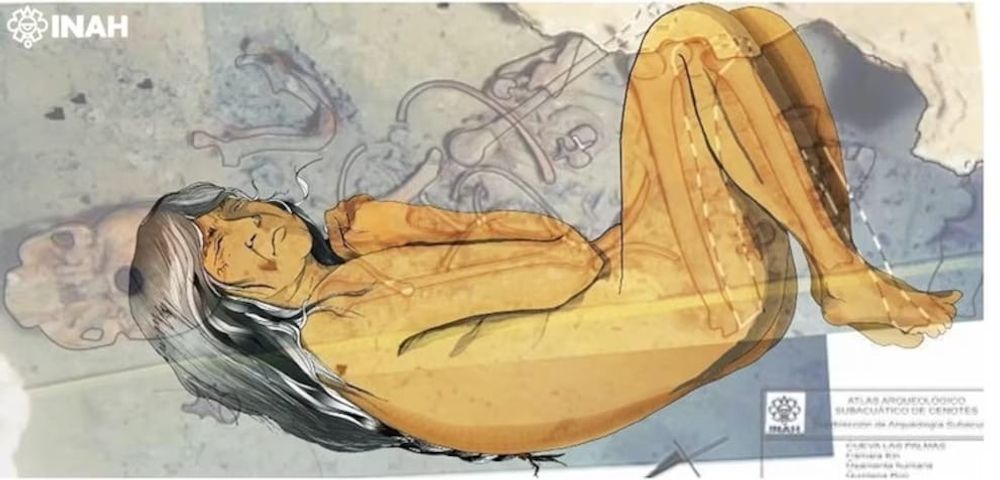
“Rituals leave traces even when words disappear,” as one archaeologist familiar with the project observed. It is the kind of line that travels easily across social media, but it also captures the challenge of interpreting silence from millennia-old remains.
A different burial and the evolution of early ritual behavior
Another case, the so-called Grandfather of Muknal, adds nuance to the broader narrative. His bones, dated to more than ten thousand years ago, were not found where he originally died. Instead, his body appears to have been transported from the surface to a chamber where researchers found significant charcoal deposits. That small detail could signal a shift in funerary conventions or a social transformation that is still not fully understood.
For Rojas Sandoval, these discoveries could mark the earliest stages of what became classic Maya mortuary traditions. She noted that, despite decades of study, there are still gaps in the timeline explaining when these early customs evolved into the more elaborate rituals recorded in Mesoamerican iconography. The ongoing Holocene Archaeology Project of Quintana Roo, which she leads at the state’s INAH center, now focuses on filling those gaps by examining social development through the lens of submerged and semi-flooded funerary contexts.
Cosmovision that persists in contemporary Maya communities
What appears especially striking to researchers is not only the age of the remains but the endurance of the ideas attached to the landscape. Concepts of the underworld described by classic Maya texts continue to resonate among many present-day Maya speakers in the region. In Maya Yucatec, everyday expressions referring to death still evoke water and movement. Saying someone “entered the water” or “began their path” suggests continuity between ancient notions of descent into Xibalbá and current cultural understandings.
This continuity matters. It underscores the deep cultural foundations that shape how cenotes are perceived today in Quintana Roo and across the Riviera Maya. It also complicates modern discussions around conservation, tourism, and the use of these spaces. A subtle editorial reflection emerges from this contrast. Places now marketed as recreational attractions once served as portals of transition, mourning, and cosmological meaning. That duality creates a tension the region must navigate carefully.
Tourism recovery brings renewed focus on cenotes as economic lifelines
While scientists examine cenotes for clues about early human life, Tulum’s tourism operators view them through a different lens. After one of the most difficult low seasons in recent years, the diving sector has become a surprising engine of recovery. Local providers say activity has climbed to nearly 45 percent capacity, aided by the reopening of beaches and improved access to natural attractions.

Alejandro Escalante, a tour operator specializing in diving, said the momentum is finally visible. He estimated that “around 45, almost 50 percent” of the diving segment is active again after weeks of restricted entry and private land disputes that had kept many tourists away. Short sentences sometimes reveal optimism more clearly than long analysis, and this one taped directly into local expectations.
Across Tulum, hoteliers and tour companies hope the rebound will accelerate as winter holidays approach. If visitor flows remain stable, they expect both occupancy rates and demand for recreational activities to reach about 75 percent in December. Some even believe the numbers could surpass those projections, restoring the dynamism lost during the most challenging months.
Two worlds converge around cenotes old and new
The cenotes now attracting divers from Europe, Canada, and the United States are often the same systems where prehistoric inhabitants once laid their dead to rest. This overlap does not appear to trouble most visitors, yet it presents researchers and local communities with complicated questions about preservation, access, and cultural respect. The tension is not new, but it becomes sharper as Quintana Roo’s tourism economy grows.
For scholars, cenotes represent fragile archives that still hold information about early migration, ritual development, and environmental shifts. For residents who speak Maya Yucatec, there are places connected to ancestral stories about the soul’s descent and transformation. And for business owners in Tulum, they are essential assets driving post-season recovery.
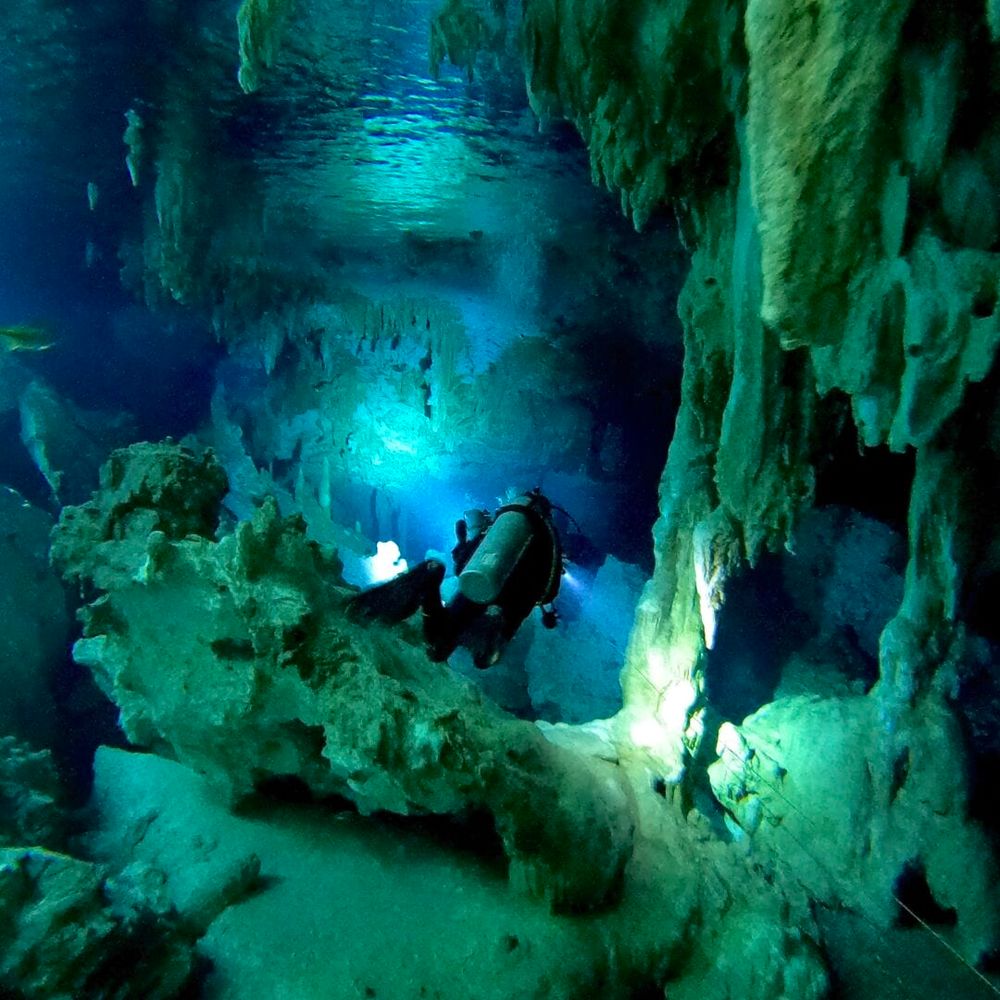
The Tulum Times has followed these overlapping narratives for years, and this latest convergence reminds readers why cenotes consistently shape public debate in the region. They hold wealth in more ways than one. What changes is the lens through which each generation interprets them.
What is at stake as research and tourism expand
The dual role of cenotes as scientific sites and tourism drivers could become a defining issue for the region in the next decade. Archaeologists continue to map submerged networks that might rewrite human history in the Americas. At the same time, Tulum’s economy depends heavily on these same systems for recreational diving, photography, and adventure tours. Balancing access with conservation will determine how future generations understand both the past and the present.

Cenotes remain central to this conversation. They reveal where the first inhabitants walked, how ancient Maya communities honored their dead, and why the underworld still echoes in local language. They also anchor a modern tourism economy that appears to be recovering ahead of schedule.
What remains clear is that these spaces carry weight far beyond their physical depth. Their significance stretches from ancient ritual chambers to today’s diving platforms, from early mortuary traditions to current economic hopes.
In the end, the story of cenotes ties Tulum to its oldest memories and its most immediate challenges. And that story is still unfolding.
We’d love to hear your thoughts. Join the conversation on The Tulum Times’ social media.
What questions should guide the region as it balances scientific preservation and tourism growth?