

Color has become a language on the streets of Tulum. Over recent days, walls that once blended into the background have been transformed through a coordinated urban art intervention that seeks to reclaim public space, strengthen local identity, and invite both residents and visitors to experience the town differently.
The initiative marks the first artistic intervention in Tulum by the collective Pinta o Muere, with support from Pinturas Comex and participation from local neighbors, businesses, and volunteers. The project unfolded across several areas of the town, turning everyday walls into visual landmarks and informal meeting points. And it did so quietly, without stages or grand speeches, but with brushes, paint, and community presence.
At a moment when Tulum continues to redefine itself amid rapid growth, the intervention offers a reminder that the destination’s evolution is not only driven by hotels or infrastructure, but also by how its public spaces are imagined and cared for.
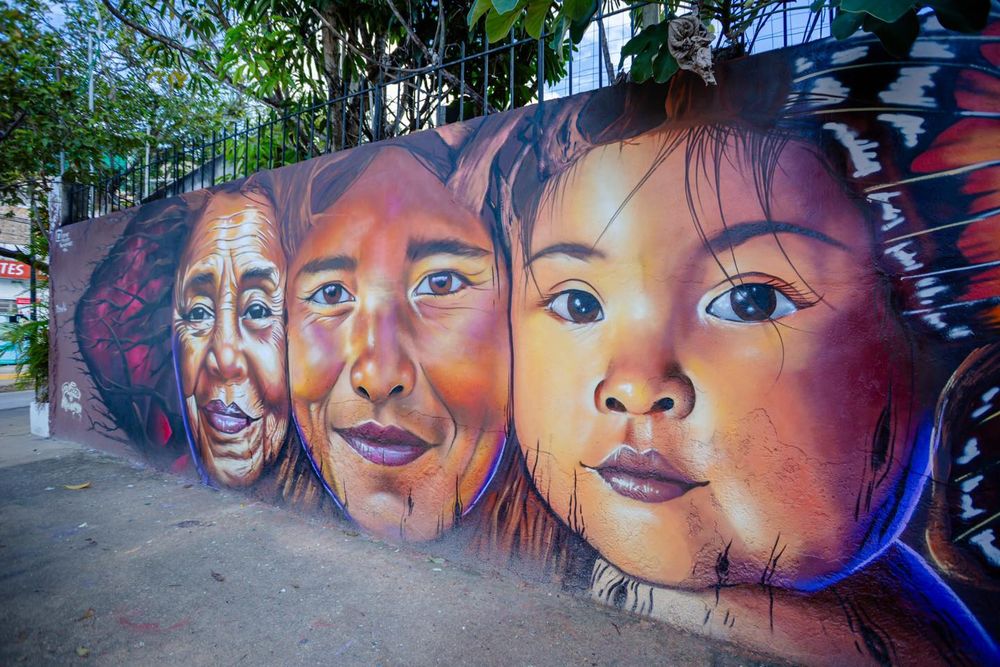
Murals as a response to how Tulum is changing
Tulum, part of the Riviera Maya in the state of Quintana Roo, has experienced intense transformation over the past decade. Tourism growth has brought investment and global attention, but it has also placed pressure on urban life, public services, and the sense of belonging among residents.
Against that backdrop, the decision to intervene artistically in public space carries weight. These murals do not attempt to decorate the town for visitors alone. Instead, they reflect symbols, colors, and narratives tied to local culture, tradition, and the surrounding natural environment.
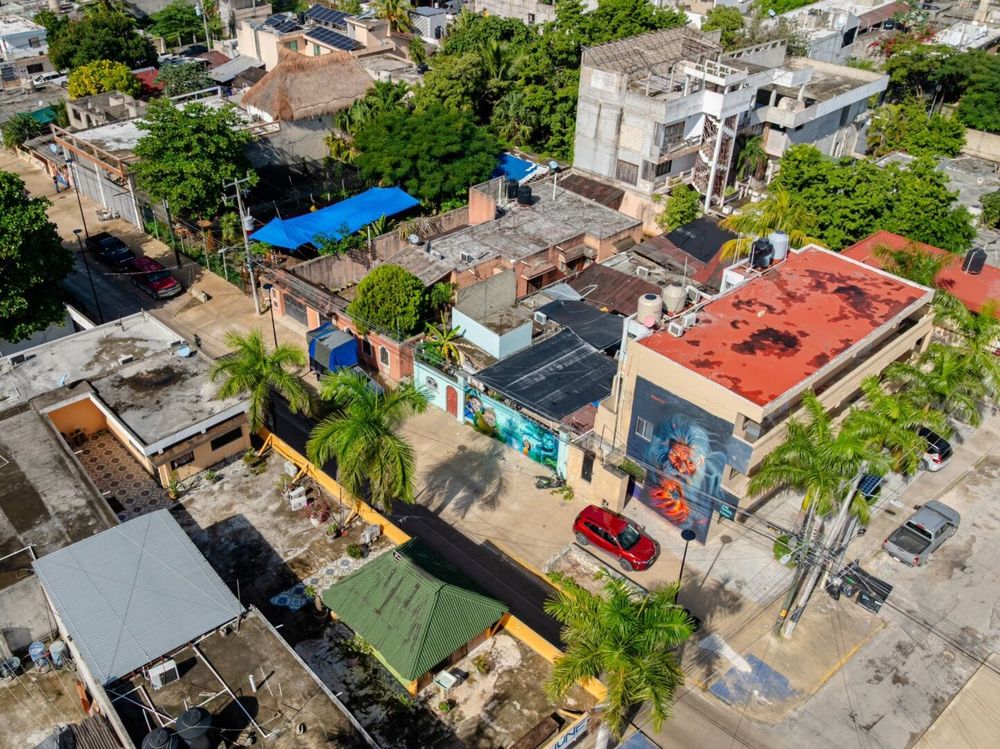
Walking through the intervened areas today feels different. The streets invite people to slow down, to look, to take photos, to talk. One mural becomes a reference point for giving directions. Another turns into a backdrop for children playing or neighbors stopping to chat. Public space, briefly, regains a social role.
One resident watching the painters work put it simply. “This wall used to be invisible. Now it feels like it belongs to all of us.”

The first Tulum project by Pinta o Muere
For Pinta o Muere, a collective known for urban art projects in other parts of Mexico, this intervention represents its first formal project in Tulum. The group’s approach emphasizes collaboration with local communities rather than imposing a predefined aesthetic.
Artists worked alongside residents and shop owners, adapting designs to each space and listening to local stories. The result is not a single unified mural, but a series of visual expressions connected by tone and intention rather than strict uniformity.
The collective’s presence also drew attention from passersby, some of whom joined the process informally, offering water, sharing meals, or simply observing. In that sense, the act of painting became as important as the finished artwork itself.
Urban art, in this case, functioned less as an object and more as a social process.

Public space as something to care for, not consume
One of the central ideas behind the intervention is the notion that public space in Tulum is something to be cared for, reimagined, and lived in, not merely passed through or consumed. That idea resonates strongly in a destination often framed through private experiences such as resorts, beach clubs, and gated developments.
Here, the murals occupy shared, accessible areas. They are not ticketed attractions. They do not belong to a brand or a hotel. They belong to the street.
This distinction matters. In tourist destinations across Mexico, public space can slowly lose relevance as private developments multiply. Artistic interventions like this one attempt to rebalance that equation, even if temporarily, by reaffirming that the everyday urban environment also deserves attention and investment.
As one organizer involved in the project noted, art in public space “changes how people treat a place. When a wall has meaning, people think twice before damaging it.”

A subtle shift in the urban landscape of Tulum
The visual impact of the intervention is immediate, but its deeper effect may take longer to measure. New visual routes have emerged, linking streets through color and imagery. These routes invite exploration not through maps or guides, but through curiosity.
For visitors, the murals offer a different way to experience Tulum beyond its beaches and archaeological zone. For locals, they provide a sense of recognition and pride in spaces often overlooked.
There is also an educational dimension. Children stop to ask questions about the images. Teenagers take photos and share them online. Conversations start around what the murals represent and who created them.
These are small moments, but they accumulate. Urban identity is often built through such everyday interactions.

Support from local businesses and Pinturas Comex
The realization of the project depended heavily on collaboration. Local businesses and residents contributed time, materials, and logistical support. Pinturas Comex played a key role by providing paint and backing the initiative as part of its cultural support programs.
In a town where partnerships between private companies and community projects can sometimes feel transactional, this collaboration appeared to be driven by shared interest rather than marketing visibility.
No logos dominate the murals. No slogans interrupt the artwork. The emphasis remains on the community and the artists, not the sponsors.
That choice reinforces the project’s credibility and helps explain why it was so well received locally.
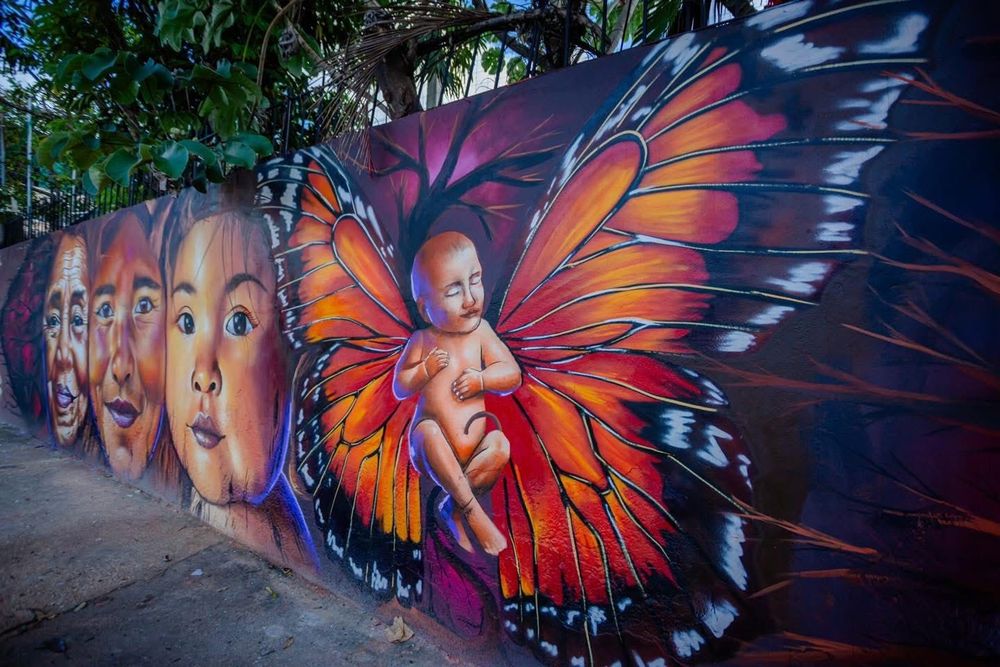
Art, tourism, and the image of Tulum
Tulum’s image abroad is often defined by a narrow set of visuals: beaches, ruins, cenotes, and luxury experiences. While these elements remain central to the local economy, they do not fully capture daily life in the town.

Urban art interventions add another layer to that image. They suggest a destination engaged with culture, creativity, and social interaction, not only consumption.
For tourists visiting during the winter season, encountering these murals may offer a more grounded connection to the place. The message is subtle but clear. Tulum is not a static backdrop. It is a living community.
The Tulum Times has observed that projects like this often resonate more deeply with visitors who seek authenticity rather than spectacle.

Walking the streets as a form of discovery
There is something intentionally low-key about this intervention. No official route is marked. No plaques explain each mural. Discovery happens through walking.
That experience aligns with how many residents relate to their town. Streets are not attractions. They are part of daily life. By enhancing them visually, the intervention invites both locals and visitors to share that perspective.
A single-sentence reflection circulated widely on social media during the project captured the mood. “These walls don’t just add color, they remind us that Tulum is made by the people who live here.”
It is a sentiment that echoes beyond the paint.

What remains after the paint dries
Artistic interventions in public space are, by nature, temporary. Weather, time, and urban change will eventually alter or erase the murals. But the memory of the process, and the conversations it sparked, may last longer.
For Tulum, the project raises questions about how future urban development could integrate culture and community more intentionally. It also suggests that even small-scale initiatives can shift how people perceive their surroundings.
Whether this intervention becomes a one-time event or the beginning of a broader movement remains to be seen. What is clear is that, for a few days at least, public space in Tulum became a shared canvas.
As the town continues to evolve within the Riviera Maya and Mexico at large, such moments of collective creation offer clues about alternative paths forward.
The stakes are not only aesthetic. They are social.
In the end, the urban art intervention has reinforced an idea that resonates far beyond its murals. Public space in Tulum is not just there to be used. It is there to be shaped, protected, and experienced together. That idea may prove as enduring as the paint itself.
We’d love to hear your thoughts. Join the conversation on The Tulum Times’ social media.
How do you think public art should shape the future of Tulum?