
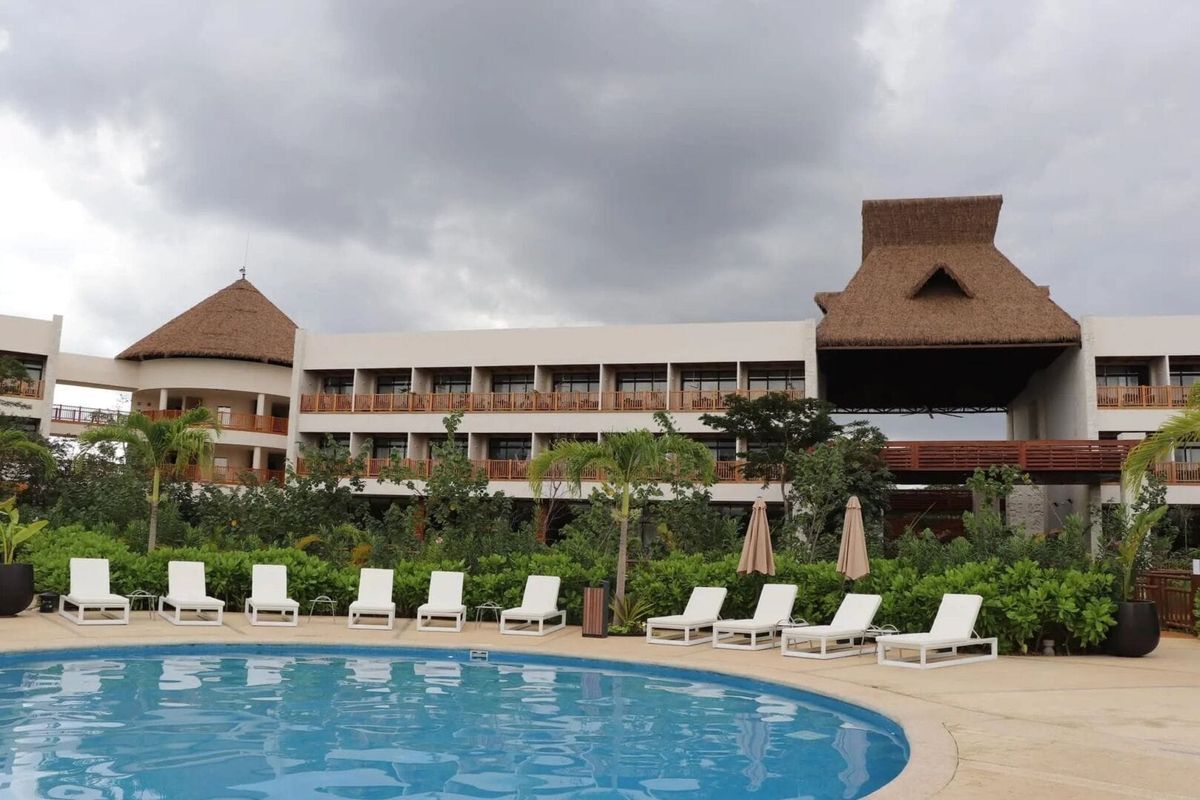
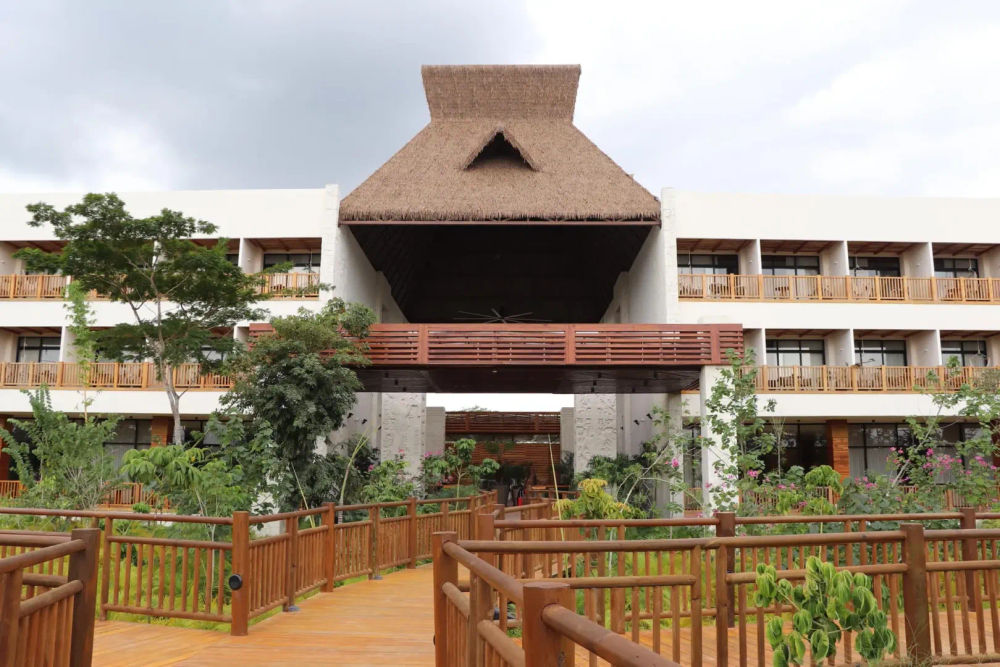
They sit like quiet promises in the jungle heat, the Maya Train Hotels, seven of them, three- and four-star fortresses of concrete and comfort. Built beside ruins older than empires, nestled close to cenotes that hold secrets too deep for daylight, they should be bursting with travelers. But they aren’t. Not yet.
Maya Train Hotels: Glimmering Potential, Lagging Footsteps
Backed by the might of the federal government and operated under the military’s ever-watchful eye via the Secretariat of National Defense, these hotels were born from a grand vision. The Tren Maya, flagship of former president Andrés Manuel López Obrador, tore through the jungle in its rush to unite ancient history with modern ambition. It left environmental scars in its wake and a trail of skeptical headlines.
Now, under President Claudia Sheinbaum Pardo, that dream is being nudged toward economic viability. According to a June 13 briefing, profitability won’t knock until 2027. Until then, subsidies will keep the lights on. Even so, some properties boast a glimmer of hope: summer reservations are brushing 60%.
The Numbers Don’t Lie
The seven hotels, stationed in Tulum, Palenque, Chichén Itzá, Uxmal, Edzná, Calakmul, and near the Tulum airport, combine for 1,170 rooms. During last December’s peak tourist window, only 1,229 guests crossed their thresholds. Just five were operational then, with space for over 2,500. A soft launch, perhaps, but a stark one.
A Marketing Mirage
To business minds on the ground, the problem isn’t in the plumbing or the thread count. It’s the silence. “The hotels are good,” says Lenin Amaro Betancourt, the southeast coordinator of ANCER. “But nobody’s talking about them.”
He argues for an all-out promotional blitz. One that doesn’t just pitch sun and sand but frames the hotels as gateways to something deeper: cultural immersion, ecological wonder, and the rough beauty of rural Mexico. He envisions them not for cruise ship crowds but for the backpacker who lingers in a hammock, the curious soul tracing Mayan glyphs with a finger.

Bundles and Bargains
The government’s answer? Bundled deals. Since April, it’s been offering vacation packages that mix airfare on state-run Mexicana de Aviación from AIFA, Maya Train tickets, hotel stays, and guided archaeological tours. Up to 25% off, they say. You can find them on Expedia, Booking, and BestDay. They’re tailored to Mexican nationals, but sales lag behind the flashier, private resorts that dominate the Caribbean coast.
Compare the price tags, and it starts to make sense. All-inclusive rivals charge 4,900 to 6,700 pesos a night. Meanwhile, Tulum, home to two of the Maya Train Hotels, reports an average 60.3% occupancy rate this June. Not bad. But projections suggest a year-end dip to 50%.
These hotels were meant to be more than beds and buffets. Positioned on sacred land, within earshot of ancient echoes, they had a chance to reshape how the world sees the Yucatán. But a vision without a voice? That’s just a blueprint gathering dust.
We’d love to hear your thoughts, join the conversation on The Tulum Times’ social media.