

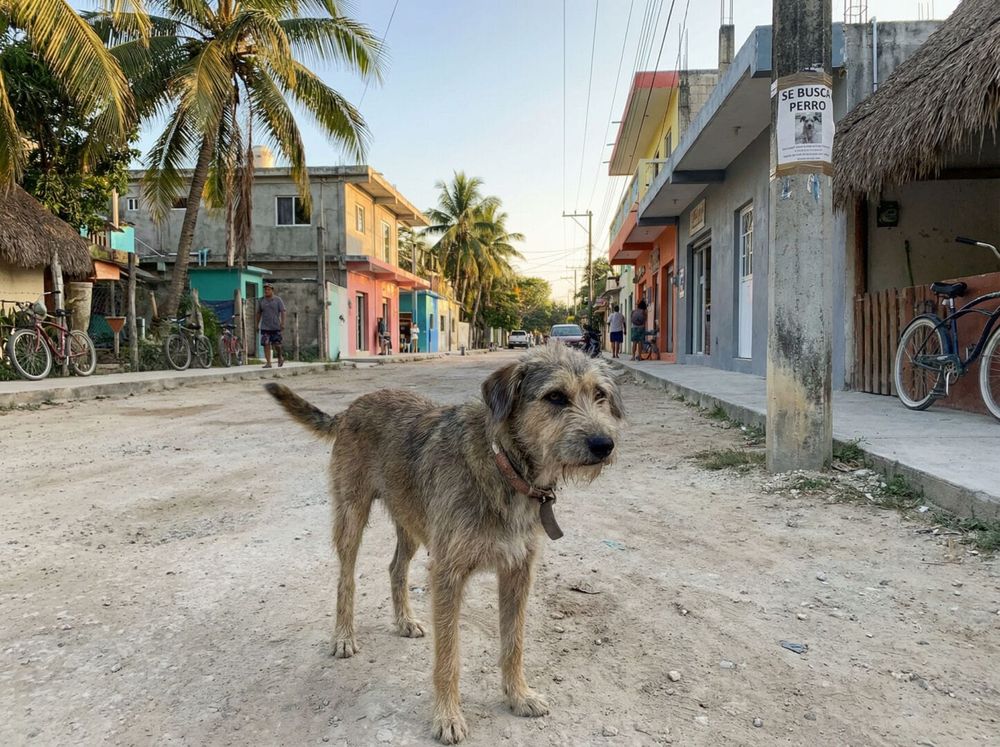
In recent months, residents of Tulum have reported a sustained increase in missing dogs across neighborhoods, according to recurring posts in local social media groups, community networks, and animal welfare organizations. Families searching for lost pets have become a near-daily presence online, while at street level, more dogs appear to be living without supervision or permanent shelter.
Areas such as La Veleta account for a significant share of these reports. The zone’s rapid development, combined with open streets, vacant lots, and limited traffic enforcement, has created conditions that increase risk for both animals and people. As the town continues to grow, prevention and responsible management have become central to addressing avoidable losses and accidents involving pets.
This article does not seek to assign blame. Its purpose is to provide clear, practical information that may help reduce cases of lost dogs, traffic incidents, and other preventable situations. In Tulum’s current urban environment, prevention often begins with simple but consistent decisions made at home and in public spaces.
Why leashes matter in Tulum’s streets
Walking dogs without a leash remains a common practice in many parts of town. Yet even calm, sociable, or well-trained dogs can react unpredictably to stimuli common in Tulum’s streets.
Sudden noises, motorcycles, trucks, loose dogs, garbage, food scraps, or encounters with local wildlife can trigger instinctive responses. A brief distraction may be enough for a dog to run off, turn down an unfamiliar street, or disappear into vegetation, losing any sense of how to return.
The leash is not a restriction but a safety tool. It allows guardians to anticipate risks, respond quickly, and prevent situations that can escalate within seconds.

Risks associated with walking without a leash
Lost dogs are frequently reported in areas with multiple access points, open lots, and green spaces. Traffic accidents remain a serious concern, especially on streets without signage, speed bumps, or adequate lighting. Conflicts with other dogs can result in injuries, infections, or long-term behavioral issues. In public spaces, loose dogs may also create discomfort or fear among people who do not wish to interact with animals.
Each of these scenarios is avoidable with proper control. The perception that a dog is accustomed to the area or always returns does not account for the unpredictability of the environment.
Practical recommendations for safer walks
Consistent leash use in public spaces remains the most effective preventive measure. Harnesses that fit securely are preferable, as many dogs can slip out of traditional collars. Durable, non-retractable leashes offer better control in areas with traffic or high pedestrian flow.
Visible identification tags with an up-to-date phone number increase the likelihood of a dog’s return if it becomes separated. Walking during daylight hours or when traffic is lighter can further reduce risk, particularly in neighborhoods with limited infrastructure.

Preventing escapes from home
Many missing dogs are not lost during walks but escape from their own homes. In most cases, this is not the result of neglect but of small oversights or structural vulnerabilities.
Common situations include gates that do not close properly, fences with gaps wide enough for a dog to pass through, low or deteriorated barriers, or holes created by erosion and heavy rains. Deliveries, visits, maintenance work, and temporary changes during renovations also increase the likelihood of accidental escapes.
Regularly inspecting the perimeter of a property can identify weaknesses before they become a problem. Securing gates with reliable mechanisms and creating double barriers where possible, especially in homes that open directly onto the street, can significantly reduce risk. Clear routines during visits or service appointments and closer supervision during storms or loud events also help prevent unintended exits.
Addressing these issues early is often simpler and less costly than organizing a search after a dog has gone missing.

Wildlife and green areas increase unpredictability
One defining feature of Tulum is the close proximity between residential areas and natural spaces. For dogs, this environment offers constant stimulation. Scents, movements, and sounds can trigger chase behavior that overrides training and recall.
A dog following a scent trail may become disoriented, injured by debris, fall into uneven terrain, or encounter wildlife and parasites. Maintaining close control during walks, particularly near vegetation and undeveloped land, reduces these risks considerably.
Health risks linked to uncontrolled contact
Direct or indirect contact with dogs that lack veterinary oversight can expose pets to serious illnesses. Some of these diseases are potentially fatal, especially for puppies or unvaccinated animals.
Canine parvovirus spreads easily and causes severe vomiting and diarrhea, requiring immediate medical care. Canine distemper affects the respiratory, digestive, and nervous systems and may result in permanent damage. Leptospirosis, associated with contaminated water and urine, can lead to kidney and liver failure and poses risks to humans as well. Infectious respiratory diseases can cause persistent coughing and complications in vulnerable dogs. External and internal parasites may result in anemia, infections, and overall health deterioration.
Vaccination schedules, regular deworming, and minimizing uncontrolled contact with other animals remain essential preventive measures.
Dogs in restaurants and food areas
Pet-friendly spaces rely on shared responsibility. Keeping dogs leashed in restaurants and food areas is not only a matter of courtesy but of safety. Loose dogs may disturb other diners, clash with other animals, ingest harmful foods, or cause accidents.
Clear boundaries and proper control improve coexistence and help ensure that pet-friendly policies remain viable for businesses and patrons alike.
Traffic conditions and everyday risk
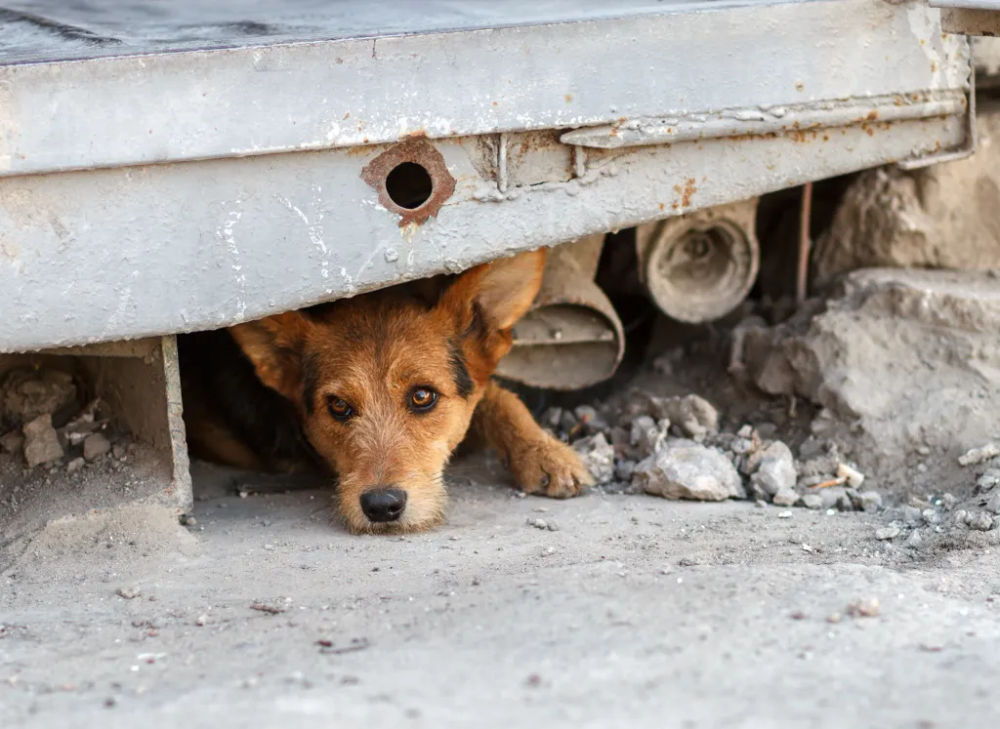
Many streets in Tulum lack consistent signage, speed control, or adequate lighting. High-speed driving, irregular maneuvers, and occasional wrong-way traffic further compound the danger.
In this context, even a dog walking calmly beside its guardian is at risk. An unexpected stimulus can prompt a sudden movement into the street, leaving no time for drivers or owners to react.
Common assumptions such as “it was just for a moment,” “the dog always comes back,” or “there are no cars here” do not reflect current conditions. As development continues, these perceptions become increasingly disconnected from reality.
Shared responsibility and prevention culture
Each lost dog sets off a chain of consequences, including animal stress, family distress, community time spent searching, and often veterinary or rescue costs. While rescue groups play a critical role, prevention cannot rest solely on their efforts.
Individual decisions, repeated consistently across the community, have a measurable impact. Using a leash in public, inspecting gates and fences, ensuring proper equipment, keeping identification and vaccinations current, and avoiding uncontrolled access to crowded spaces are all actions within reach of most dog guardians.
Tulum continues to change. Caring for companion animals is part of caring for the community itself. Prevention does not require complex systems, only consistency, awareness, and responsibility.
Leashes on the street and secure homes remain simple choices that save lives, reduce lost dog reports, and support safer coexistence for everyone.
We’d love to hear your thoughts. Join the conversation on The Tulum Times’ social media.
How can neighborhoods work together to reduce the number of lost dogs in Tulum?