
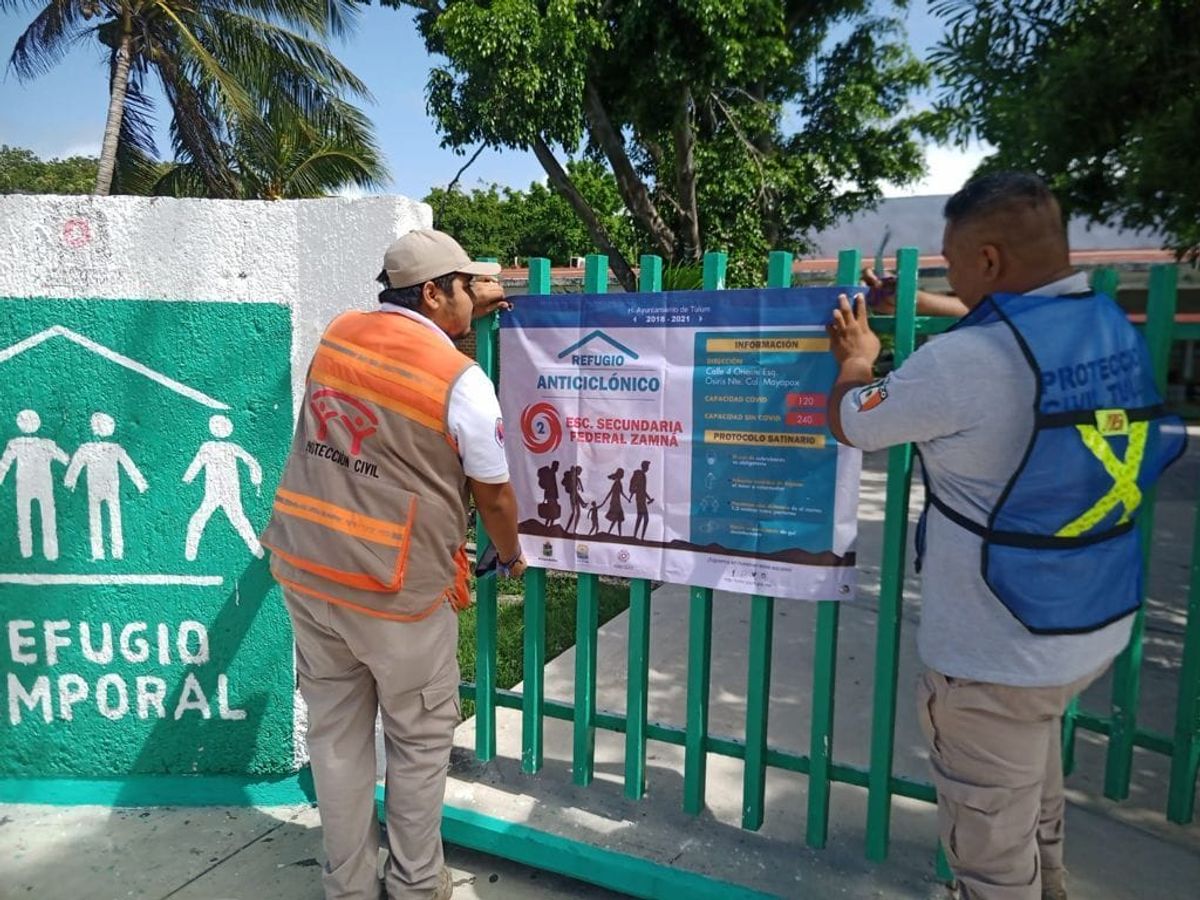
The humid air, thick with the scent of distant rain and the constant whisper of the sea, carries with it an undercurrent of preparedness these days. It’s a subtle hum, perhaps, but one that resonates through the labyrinthine streets and budding communities of our beloved town. While life here often moves to the syncopated rhythm of development, tourism, and tropical breezes, there’s a different beat now, a steady, measured pulse of readiness. Forty emergency shelters stand ready in Tulum, a network of safe havens meticulously prepared to spring into action should the unpredictable hand of nature demand it. This isn’t just a number, another statistic on a municipal report; it represents weeks, months even, of quiet, earnest work by individuals who understand the profound weight of responsibility.
The General Secretariat of the Municipality, their offices bustling even on the quietest mornings, has confirmed the full completion of the identification and equipping stages for these critical sites. These aren’t just empty buildings with a sign slapped on the door. Each of the forty designated points has undergone a rigorous inspection, a careful assessment to ensure they meet stringent safety and operational standards. Imagine the checklists: structural integrity, access for all, sanitation, ventilation. It’s a painstaking process, far removed from the idyllic postcards of turquoise waters and ancient ruins. It’s about the tangible, often unglamorous, elements that genuinely save lives.
Beyond the brick and mortar, or more accurately, the concrete and resilient roofing, lies the intricate web of human coordination. The Secretary has been clear: the immediate focus has shifted from mere identification to the comprehensive equipping and, crucially, the training of personnel. This isn’t a task for amateurs; it requires a dedicated corps of individuals, often volunteers, who understand the protocols, the nuances of crisis management, and the profound human element involved in sheltering those in distress. When a family arrives, disoriented and perhaps frightened, they need more than just a roof overhead; they need a calm face, a guiding hand, and the assurance that their immediate needs will be met. This human infrastructure, often unseen until a crisis unfolds, is as vital as the physical one.
The process has been methodical, almost like a military operation in its precision, but imbued with a deep sense of civic duty. The initial phase involved the precise identification of these 40 points, a strategic mapping based on accessibility, population density, and geographic resilience. Then came the equipping stage, transforming potential spaces into actual refuges. This isn’t a one-and-done deal, either. These aren’t just stocked once and forgotten. Continuous monitoring and replenishment are essential, a constant vigilance that ensures everything from potable water to basic first aid supplies is readily available. It’s an ongoing commitment, a quiet promise made to every resident and visitor.
As the weather patterns shift and the atmospheric pressure subtly changes, the urgency of this preparation becomes palpable, even for those not directly involved in the operations. The General Secretariat has maintained a consistent dialogue with the National Meteorological Service and the National Water Commission, their eyes fixed on the horizon, monitoring every gust of wind, every ripple on the radar. This consistent flow of information is the lifeblood of effective emergency response. Knowing *when* to act is as crucial as knowing *how*. The early warning system, meticulously maintained and tested, is the first line of defense, allowing for the timely activation of these shelters before conditions deteriorate.
The sheer scale of the operation is quietly impressive. It’s not just about opening a door; it’s about mobilizing resources, coordinating various levels of government, and ensuring seamless communication down to the grassroots level. Consider the logistics: transporting essential supplies, ensuring medical personnel are on standby, establishing communication links that can withstand severe weather. This is all happening behind the scenes, a testament to foresight and proactive governance. The aim, as articulated by the municipal authorities, is paramount: to minimize impact, to protect lives, and to ensure the well-being of the population during any adverse weather events. It’s a heavy responsibility, shouldered with a quiet determination.
In a place often defined by its vibrant energy and rapid growth, this preparedness offers a different kind of reassurance. It speaks to a community looking inward, safeguarding its own, even as the world flocks to its shores. The presence of these 40 fully equipped and ready shelters is a tangible sign of that commitment. It’s a bulwark against the inherent uncertainties of life in a tropical zone, a quiet affirmation that while we embrace the beauty and the bounty of our surroundings, we also respect its power. It is an ongoing narrative, one that intertwines human resilience with meticulous planning, a story unfolding with every update from the General Secretariat.
What are your thoughts on the level of preparedness in our community? Share your opinions with us on The Tulum Times’ social media channels.