
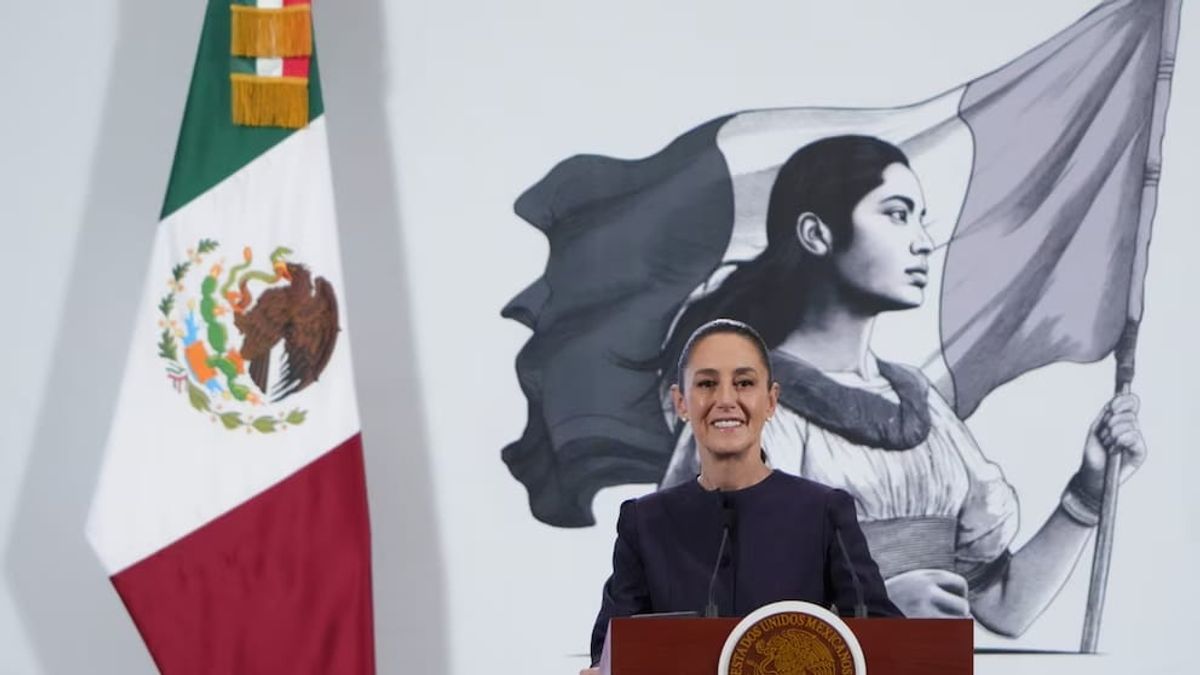
When Mexico’s President Claudia Sheinbaum called Isidoro Pastor Román to speak at her morning press conference, it wasn’t just a formality. As the director of Tulum International Airport, Pastor Román had something bigger to share: a story of growth, strategy, and a surprising transformation unfolding in one of the country’s most iconic destinations.
A Caribbean Runway Built from Scratch
On June 13, 2022, construction began on what some skeptics called an unnecessary bet. By December 1, 2023, Tulum International Airport opened its doors. In a country where major infrastructure projects often crawl through delays and red tape, this one moved with remarkable speed.
What’s more, it didn’t open quietly. With around 30 daily operations already in motion, the airport connects travelers to three cities within Mexico and five international destinations. It’s not trying to compete with global behemoths like LAX or Heathrow. Instead, it’s tuned to a different tempo, the rhythm of the Riviera Maya, where calm breezes and surging tourism move side by side.
Passenger Growth That Speaks for Itself
The numbers don’t scream. They whisper, loud enough for those who know where to listen. In December 2023, the airport saw just under 40,000 passengers. One month. One terminal. One small beginning.
By the end of 2024, that number had surged to over 1.2 million.
And now? In the first half of 2025 alone, more than 746,000 travelers have come and gone through Tulum’s new gateway. If this trend continues, the airport is on track to serve more than 1.3 million passengers by the close of the year.
It’s not just about foot traffic. It’s about intent. These aren’t business travelers killing time on layovers. They’re vacationers chasing paradise, wanderers discovering cenotes, families returning to their roots. Every ticket tells a story.
Why Tulum, and Why Now?
That’s the million-peso question. Some point to Cancún’s increasingly overwhelmed terminals, just a few hours north. Others talk about the federal push to decentralize air traffic and infrastructure. But maybe the answer is simpler. Maybe Tulum has always had gravity, a pull stronger than any marketing campaign.
For decades, its isolation was part of the charm. Getting there required patience, a sense of adventure, and a tolerance for uneven roads. Now, with a modern airport tucked into the forested edge of the Yucatán, the journey has changed.
What hasn’t changed is Tulum’s identity. It remains a paradox, a blend of barefoot luxury and jungle rawness. And in some strange way, the airport reflects that too. It’s efficient but not hurried. Modern but unpretentious.
From Regional Terminal to International Player
Pastor Román, in his brief but telling remarks, noted that the airport has “exceeded transportation expectations.” He didn’t throw around projections or promises, but there was something in his tone that suggested more is coming.
Behind the scenes, the airport is part of a national aviation master plan. It isn’t meant to be a standalone trophy. It’s a keystone in a new infrastructure network designed to rethink how Mexico connects, not just across states, but across continents.
This kind of vision matters. It turns a single terminal into a strategic hub. And when executed well, it doesn’t just move people, it transforms regions.
What’s Next for Tulum?
Here lies the irony. Tulum was once a place people reached only after effort. That difficulty was its filter, preserving its wild soul. Now, the ease of access could rewrite everything.
Will this gateway lead to responsible tourism and economic empowerment for the region? Or will it open the floodgates to the same unchecked development that has strained other beach towns beyond recognition?
There’s no clear answer yet. But this much is certain: Tulum is no longer a whispered secret. The world is arriving, and it’s landing on a freshly poured runway, nestled in the jungle, ready to make history.
Looking to fly into Tulum soon? Share your thoughts and travel plans with us in the comments, or bookmark this article to keep track of how Mexico’s newest airport is shaping the future of Caribbean tourism.