
Some stories don’t just echo down congressional halls, they crash against the shore.
This week, Tulum’s mayor, Diego Castañón Trejo, stood before the public and didn’t mince words: “Tulum deserves beaches that are open, clean, and safe.” The applause wasn’t just for him, it was for a long-awaited breakthrough. A federal reform aimed at guaranteeing unrestricted public access to Mexico’s beaches and natural areas was unanimously approved by Congress. And for this coastal town, the implications run deep.
At the heart of the reform lies a belief that access to nature is a fundamental right, not a luxury reserved for those who can afford resort wristbands or inflated entrance fees.
Who’s behind the push and what’s changing?
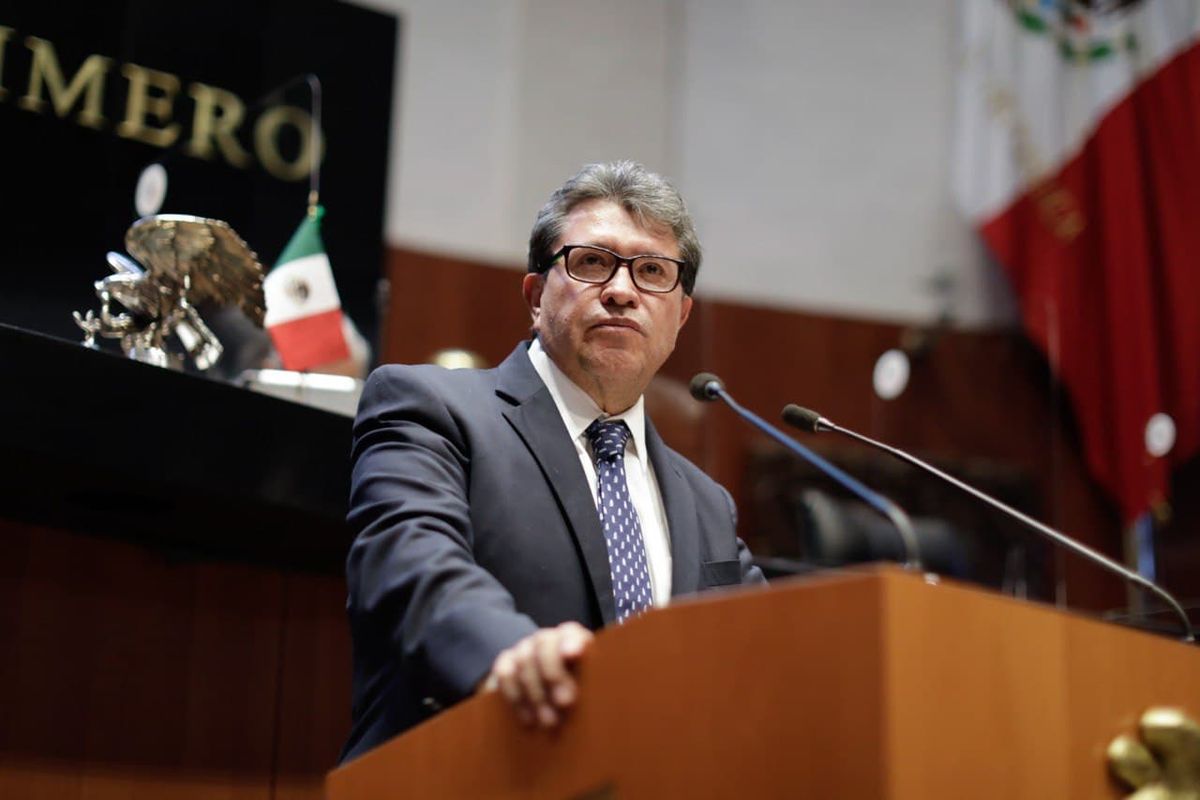
On Tuesday, Senator Ricardo Monreal Ávila, a key figure from Morena and President of the Political Coordination Board, presented the proposal with force and clarity. His demand? A restructuring of two core pieces of environmental legislation: the General Law of National Assets and the General Law of Ecological Balance and Environmental Protection.
The initiative, co-sponsored by Representative Enrique Vázquez Navarro and supported by lawmakers from Chiapas to Quintana Roo, seeks to prevent private interests, like hotel chains or concessionaires, from closing off public pathways to the coast or charging excessive fees.
Monreal didn’t hesitate to call out the creeping “indirect privatization” of natural assets. “Free access is a human right tied to equality, freedom of movement, and the enjoyment of a healthy environment,” he told the Commission on Tourism.
And with over 12,000 kilometers of coastline, Mexico’s natural wealth is both a gift and a responsibility. The proposed reforms attempt to strike a balance between ecological protection and public use, creating a new model of conservation that welcomes, not excludes, the people.

What’s been approved so far?
By Wednesday, Congress had passed the reform with a unanimous vote. Now it moves forward for broader discussion and final adjustments, but the direction is clear: the law is on the side of open beaches.
In practical terms, the legislation will prevent private entities from fencing off or monetizing access points to public beaches and protected natural areas (ANP). If all goes as planned, future visitors, local or foreign, won’t have to second-guess whether they’ll face a locked gate or a steep fee just to reach the sand.
One of the focal points is Tulum’s own Parque del Jaguar, where the current fee structure has drawn criticism. Monreal used it as a case in point, warning that “the natural wealth of Mexico should be accessible to all, not just those who can pay disproportionate fees.”
The reform also comes with a proposed budgetary shift: 500 million pesos to support the operations of ANPs. The move aims to reduce their financial dependence on entrance fees, which often disproportionately impact local communities.
A local victory with national ripples
Mayor Diego Castañón didn’t hide his enthusiasm. In a statement on Wednesday, he praised the reform as a win for environmental justice and community dignity.
“Our beaches are part of our identity and a right for everyone,” he said. “This step from Congress brings us closer to securing free access to our coasts.”
But Castañón didn’t take all the credit. He acknowledged the role of allies like Monreal, Vázquez, Governor Mara Lezama, and Senator Eugenio Segura Vázquez. It was, as he put it, “a demonstration that transformation moves forward when people are at the center.”
In Tulum, where economic growth and environmental stewardship often clash, the reform offers a rare point of alignment. Residents, small business owners, and travelers alike could soon benefit from more equitable coastal access, fewer barriers, and a new era of ecological accountability.

When the beach feels just out of reach
For Ana María, a local vendor who sells handcrafted jewelry near the ruins, the issue is personal. On weekends, she used to bring her two children to a hidden beach spot near the national park. Then a new development went up, and suddenly, access was blocked.
“They said it was private. That we couldn’t pass anymore,” she recalls. “It felt like they stole something that belonged to all of us.”
Her story isn’t unique. Across the Riviera Maya, tales like hers echo, of local families being turned away, of once-public trails suddenly patrolled, of feeling like strangers in their own land. For many, this reform is more than policy. It’s restitution.
What’s next for the reform?
The legislation now heads toward full congressional debate, where final details will be hammered out. Among the unresolved issues: how exactly to regulate existing access fees, what constitutes a “reasonable” conservation charge, and how transitional management, especially in places like Parque del Jaguar, will be handled.
Sources close to the legislative committee suggested that some access models, especially those run by third-party operators, could be phased out or significantly restructured. The current framework in Tulum might be among the first to enter this transition.
Officials hinted at a timeline linked to the 2026 FIFA World Cup, which Mexico is co-hosting. Lawmakers want the reform finalized and implemented before then, ensuring the country’s natural jewels remain accessible to both its citizens and an expected surge of international visitors.

Editorial insight: more than law, this is a cultural shift
Behind the legal text lies a bigger question: who gets to enjoy Mexico’s natural heritage?
For decades, the Riviera Maya has grappled with this question. In Cancún and Playa del Carmen, high-rise resorts now dominate stretches of coastline that were once dotted with fishing boats and coconut stands. Tulum has, in many ways, been the last frontier, an eco-paradise fighting to remain public.
This reform won’t fix everything. It won’t erase entrenched interests or overnight transform policies on land use. But it plants a legislative flag in the sand. One that says access is not a privilege, but a promise.
As Mexico grows and globalizes, keeping that promise might be one of its toughest, and most meaningful, challenges.
“Access to nature shouldn’t depend on the size of your wallet. It should be part of who we are, and what we protect.”
What’s at stake, and what comes next
For Tulum, this reform could reshape the very essence of what the town represents. Not just a trendy destination with yoga retreats and jungle villas, but a place where nature belongs to everyone equally.
If the changes pass into law and the resources are properly allocated, Tulum might become a model for balancing tourism, ecology, and justice.
But the road ahead isn’t guaranteed. Will the federal budget deliver on its promises? Will local enforcement back the spirit of the law? And will private interests fight back with legal challenges or workaround strategies?
One thing’s clear: the tides are shifting.
We’d love to hear your thoughts. Join the conversation on The Tulum Times’ social media.
Should access to nature ever be up for sale?