
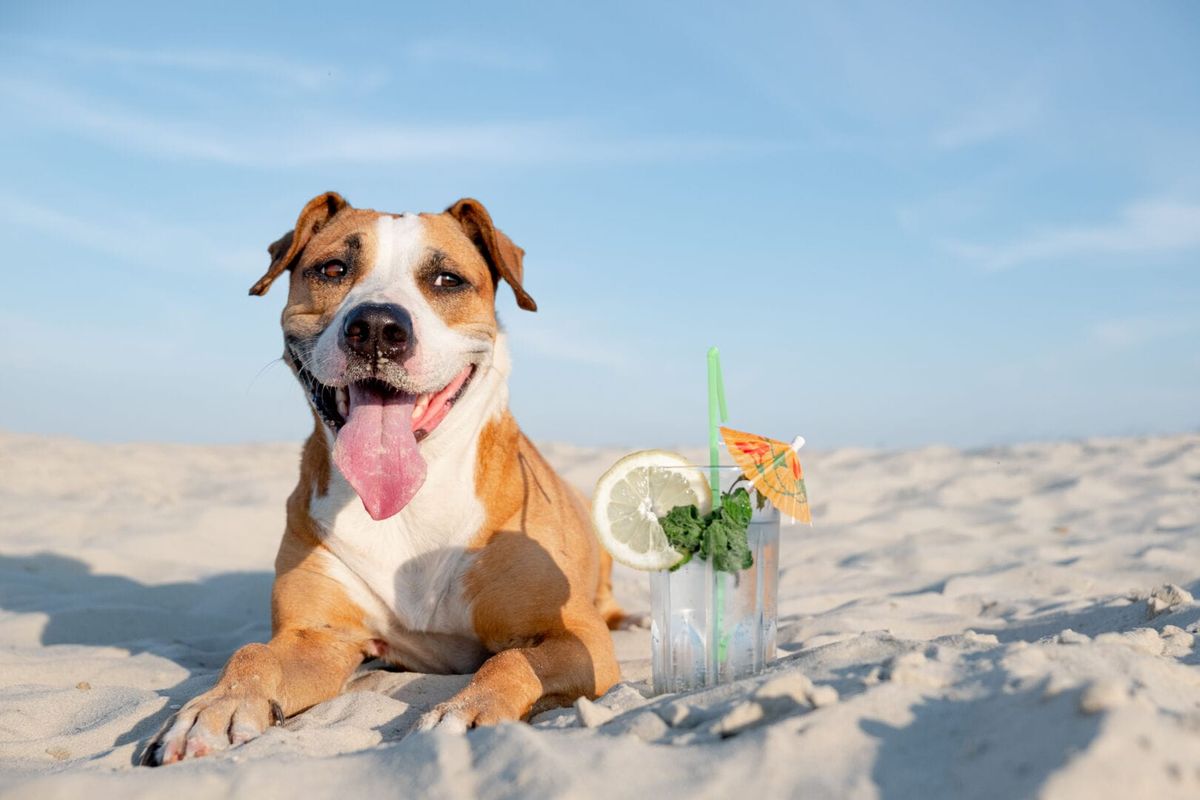
In the sweltering heat of Tulum, where the air is thick and the sunlight feels like a weight on your shoulders, summer doesn’t just arrive, it takes over. For dogs, who can’t shed layers or open a fridge, this heat can be more than uncomfortable. It can be dangerous. Heat stroke in dogs is a life-threatening condition, and recognizing it early could be the difference between a quick recovery and a tragic loss.
What Are the Signs of Heat Stroke in Dogs?
Heat stroke occurs when a dog’s body temperature climbs above 40°C (104°F), pushing their systems into overload. The first red flags often include excessive panting, rapid or labored breathing, and thick, sometimes foamy saliva. These early symptoms may seem manageable at first glance, but they can escalate quickly.
You may notice your dog appearing weak, lethargic, or disoriented. Coordination may falter. They might stagger or tremble, struggling to walk in a straight line. A change in gum or tongue color is particularly alarming. Initially, these tissues flush a vivid red before turning blue or purple, a clear sign that oxygen isn’t circulating properly.
Other symptoms often follow: vomiting, diarrhea, and in more severe cases, fainting or loss of consciousness. These are not just distressing signs; they indicate a critical emergency. Without immediate intervention, heat stroke can result in neurological damage, organ failure (including the heart, kidneys, and liver), and death.
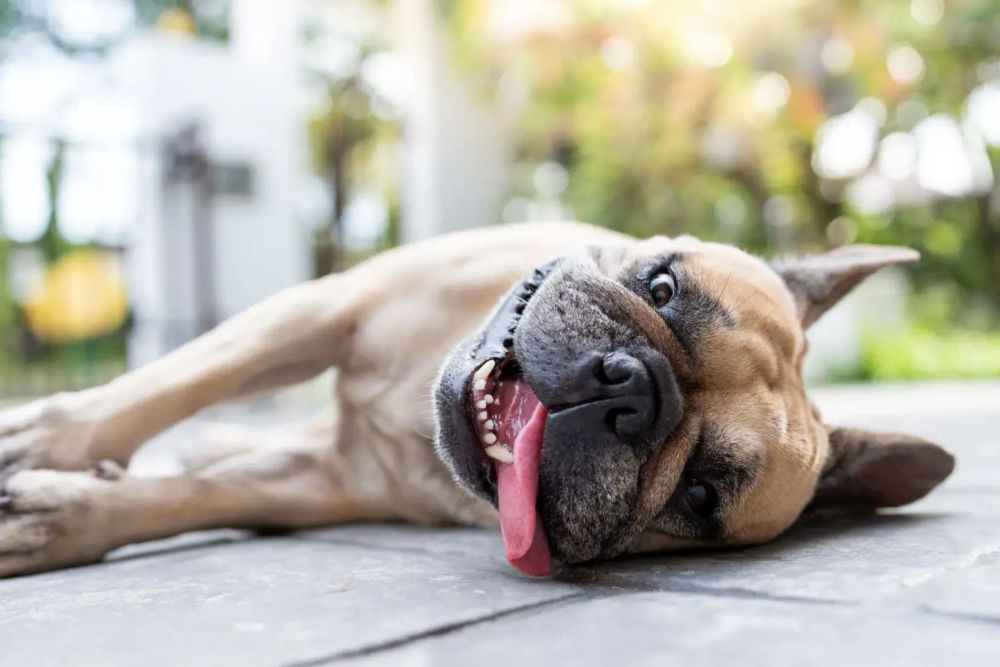
What to Do in Case of a Heat Stroke Emergency
If you suspect your dog is suffering from heat stroke, you need to act immediately, but stay calm. Panic won’t help your pet, clear thinking will.
First, move your dog to a cool, shaded area. Get them off hot pavement and out of direct sunlight. Ventilation is crucial.
Then, begin cooling them down gradually. Use fresh (not icy) water to wet their body, focusing on high-heat areas like the belly, groin, underarms, and paw pads. Avoid using ice or freezing water, which can cause shock. Wet cloths can help, especially if you combine them with a fan to increase air circulation. Just don’t wrap your dog in towels, which can trap heat instead of releasing it.
Next, offer fresh water in small amounts. Let your dog drink slowly if they’re able. If they can’t, moisten their mouth gently. Avoid forcing water, which could lead to choking or vomiting.
Most importantly, contact a veterinarian as soon as possible. Even if your dog appears to improve, professional evaluation is essential. Internal damage can continue even after symptoms subside. Only a veterinarian can confirm full recovery and rule out complications like internal bleeding or organ dysfunction.
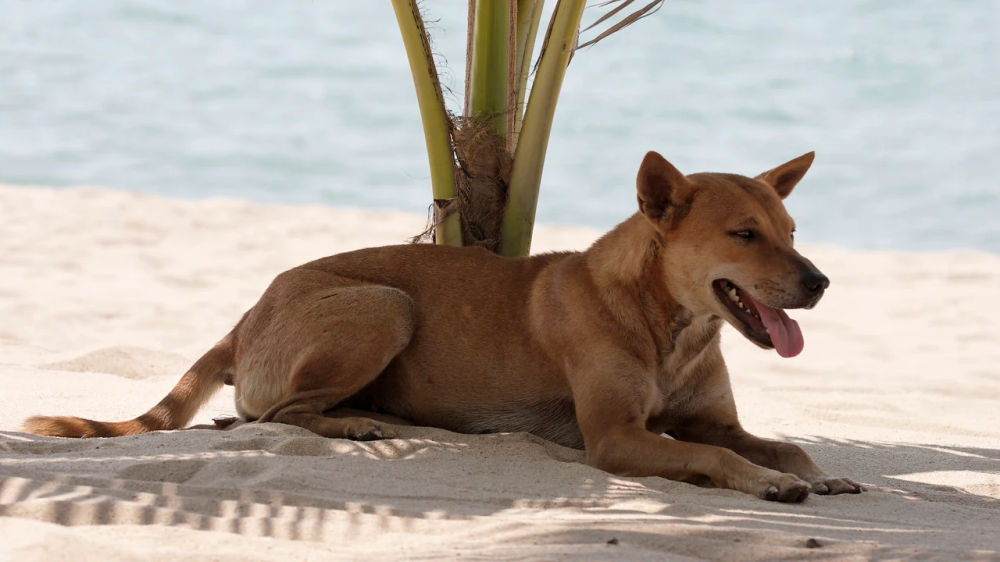
How to Prevent Heat Stroke in Tulum’s Climate
Tulum’s tropical summers are no joke. With average highs around 32°C (90°F) and extreme humidity, it’s easy for dogs to overheat, even in the shade. High humidity reduces the effectiveness of panting, their primary cooling mechanism. Prevention is not just smart, it’s essential.
Avoid outdoor exercise during peak heat hours, generally between 10 a.m. and 4 p.m. Early mornings and late evenings are much safer. Pavement and sand can become dangerously hot, potentially burning your dog’s paw pads. A quick test? Place the back of your hand on the surface. If you can’t keep it there for five seconds, it’s too hot for paws.
Never leave your dog in a parked car. Not even for a minute. Cars can reach deadly temperatures within 15 minutes, even with the windows cracked. Always take your dog with you or leave them at home in a cool environment.
Ensure constant access to fresh water and shade. Consider placing multiple water bowls around your home and refreshing them frequently. Make sure your dog has a shady, ventilated spot to retreat to, whether indoors or outside. Fans and air conditioning can make a huge difference.
Limit intense activity during warm days. High-energy play or long walks can quickly lead to overheating. If your dog needs a bathroom break during peak hours, keep it brief and stick to shaded, grassy paths.
Protect their paws by avoiding hot surfaces. Use protective booties or apply paw balm when necessary. At the beach, bring a towel or mat for your dog to rest on, and rinse their paws regularly to cool them.

Plan regular rest and hydration breaks during outdoor activities. On beach outings, alternate between play and rest in shaded areas. Bring enough water for both you and your pet, and offer small sips every 15–30 minutes.
Never tie your dog up in the sun or leave them in poorly ventilated spaces. Whether on a rooftop, balcony, or backyard, ensure they have adequate shade and airflow. Small, enclosed doghouses can become heat traps.
In summer, opt for harnesses over collars. A harness allows better airflow and doesn’t constrict the neck, which is especially important if your dog is already panting heavily. For short-nosed breeds, this change is critical.
Resist the urge to shave your long-haired dog completely. Fur acts as a natural insulator against both heat and the sun. A moderate trim is fine, but leave enough coat to protect the skin from UV rays.
Special Considerations for Tulum’s Weather
Tulum’s climate brings its own set of risks. High humidity combined with heat drastically lowers your dog’s ability to cool down. Even in shaded areas, your dog can overheat due to moisture-saturated air.
Dogs with dark coats absorb more heat, while those with light skin or thin coats are prone to sunburn. You can use pet-safe sunscreen on vulnerable areas like the ears, snout, and belly if sun exposure is unavoidable.
Pay close attention to hot surfaces. Sand, asphalt, and concrete can become dangerously hot. Walk on grass whenever possible and use protective gear for your dog’s feet if needed.

High-Risk Dogs: Extra Precautions Required
Some dogs are more vulnerable to heat stroke than others. Brachycephalic breeds like bulldogs, pugs, and shih tzus have short nasal passages that hinder breathing. Their ability to pant is compromised, making them especially susceptible. For these dogs, avoid all outdoor activity during hot, humid hours. Walks should be short, slow, and in the coolest parts of the day.
Senior dogs are another high-risk group. Aging diminishes their ability to regulate body temperature, and many have underlying health conditions that make heat even more dangerous. Monitor them closely for signs of fatigue or confusion, even when they’re simply resting.
Dogs with excess weight or chronic health conditions (like heart, respiratory, or metabolic disorders) also struggle more in the heat. Fat acts as insulation, trapping heat inside. Keep them in climate-controlled spaces and consult your vet to adjust their routines during the summer.

Cooling Products That Can Help
Technology can be a pet owner’s ally. Cooling mats with gel interiors offer a chill surface for dogs to lie on and are especially helpful if your floors trap heat. Elevated mesh beds also promote airflow beneath the body, keeping your pet cooler.
Traveling? Bring a portable water dispenser. At home, consider a pet fountain to encourage hydration. On especially hot days, a few ice cubes in the water bowl can help maintain a refreshing temperature.
Cooling vests, bandanas, and harnesses are designed to absorb water and release it slowly through evaporation. While they work better in dry heat than in humid conditions like Tulum’s, they still offer some relief. Always combine them with regular shade and hydration.
A spray bottle can be a simple but effective tool. Lightly mist your dog during walks to aid cooling. Just remember: no single solution replaces vigilance.

Final Thoughts
Heat stroke is a silent threat. It doesn’t knock, it crashes in. And once it’s in motion, you don’t get a second chance. But with the right knowledge, tools, and timing, it’s entirely preventable.
Watch your dog. Learn their patterns. Know when they’re just tired and when something’s wrong. And when in doubt, act fast. Because in Tulum’s heat, even the most resilient pup has limits.