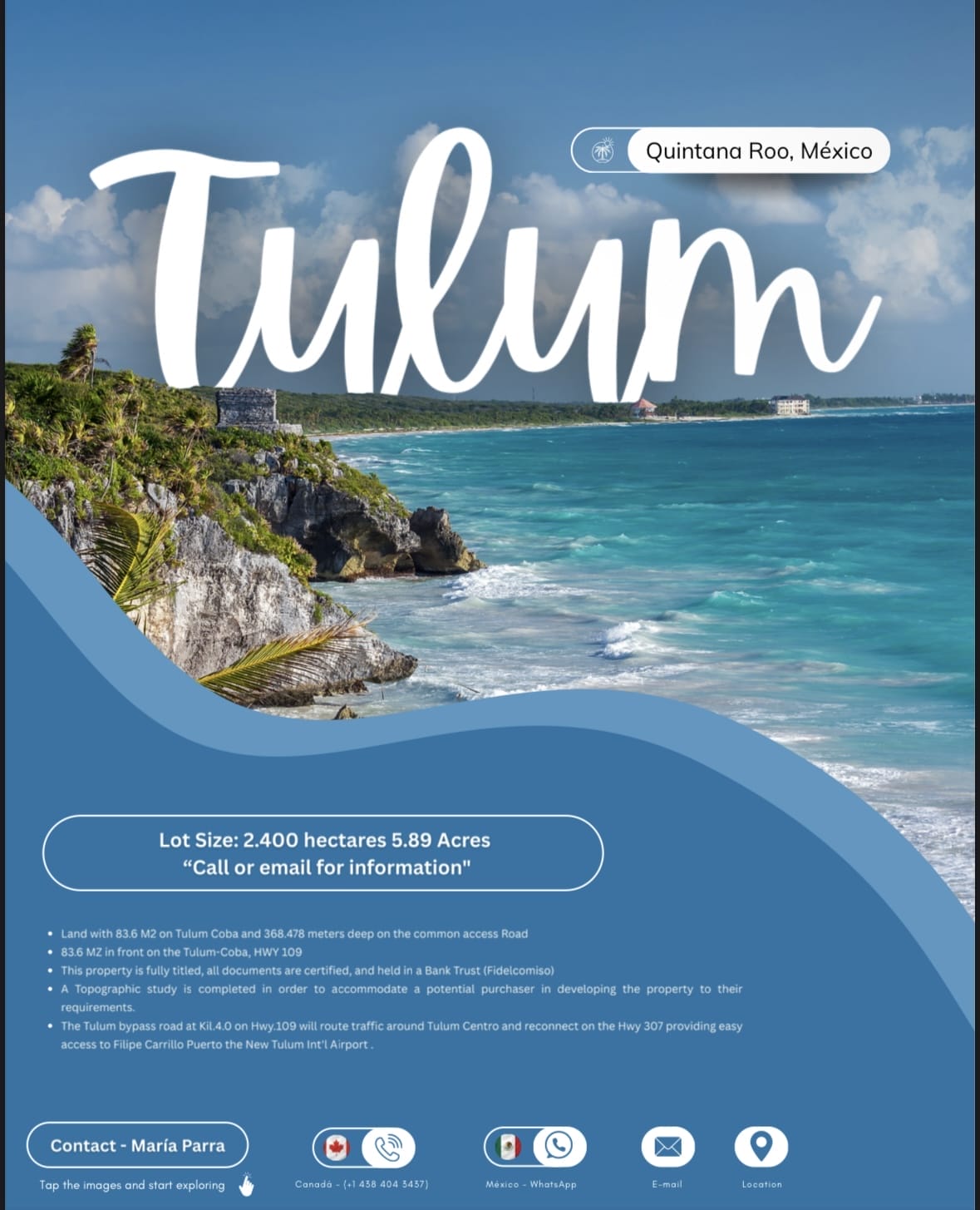
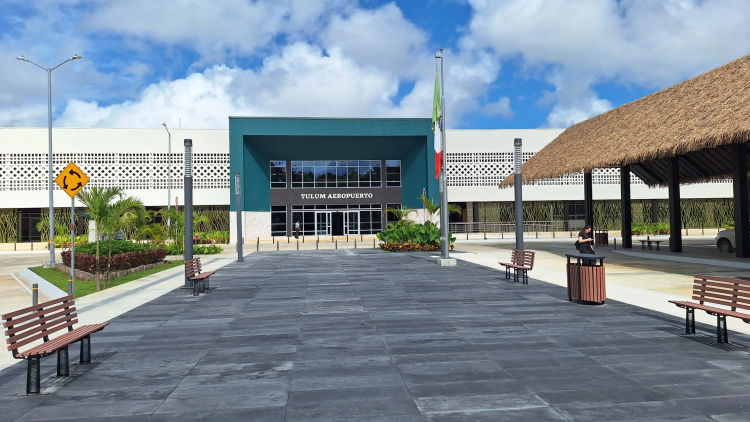
The Maya Train will launch 10 approved tourist packages for Holy Week that combine rail travel, lodging, tours and, in some cases, round-trip flights operated by Mexicana de Aviación, according to Maya Train director Óscar David Lozano. The offer includes departures from Mexico City and options for travelers arriving independently through southeastern airports, including Cancún, Mérida, Tulum, Campeche, Chetumal, Cozumel, and Palenque.
For Tulum, the announcement matters because the city is named as both an arrival point and a destination within the new tourism offer. That places Tulum inside a broader strategy to connect transportation, hotels and archaeological visits under a single booking model during one of the busiest travel periods of the year.
Lozano said the program includes 10 packages that have already been approved and described two of the routes during his presentation. One of them, Route of the Wonders, runs through Mérida, Chichén Itzá and Valladolid before returning to Mérida. Another, Alma libre en el Caribe, travels from Tulum to Playa del Carmen and continues to Bacalar and Chetumal.
The official said the packages include round-trip airfare, lodging in Grupo Mundo Maya hotels, transfers and access to archaeological zones connected by the train, as well as sightseeing activities across different states in southeastern Mexico. He said one aim is to give people the option of using Felipe Ángeles International Airport through a bundled travel product that also includes Mexicana de Aviación flights and hotel stays.
At the same time, he said the system was expanded to include packages without flights for travelers who reach the region on their own. That adjustment widens the offer beyond passengers departing from central Mexico and opens the product to visitors already arriving through airports across the southeast.
For travelers heading to Tulum, that could change how trips are organized during Holy Week. Instead of booking transportation, hotel stays and excursions separately, some visitors may now choose a single reservation process tied to the Maya Train network and the destinations it serves. The practical shift is not only the train ride itself, but the packaging of the trip around connected services.

Tulum appears in the route design
Tulum is one of the locations specifically mentioned by Lozano in the package rollout. It is included among the southeastern airports from which travelers can begin using the no-flight options, and it is also part of one of the highlighted itineraries presented during the announcement.
That itinerary, Alma libre en el Caribe, links Tulum with Playa del Carmen, Bacalar and Chetumal. Based on Lozano’s description, the route is part of the train’s most successful products and has already been approved for the Holy Week push. He did not provide pricing, start dates within the holiday period or booking totals during the remarks cited in the base text.
Even without those details, the structure of the announcement points to a clear operational priority. The Maya Train is not being promoted only as transportation between stations. It is being packaged as a tourism system that connects mobility, lodging and destination access in one purchase. For places like Tulum, this could influence how visitors enter the local market and how long they remain within the train-linked circuit.
Archaeological sites are central to the offer
Lozano said the packages are centered on routes to archaeological sites, including Chichén Itzá, Palenque, Uxmal, Tulum, and Calakmul. He added that hotels managed by Grupo Mundo Maya are also located in these areas, reinforcing the model of linking heritage tourism with accommodation and rail transport.
Tulum’s role in that list is notable because it places the local archaeological zone within the core commercial logic of the package offer, not at the margins. The train’s tourism strategy appears designed around some of the region’s best-known heritage destinations, and Tulum is directly included among them.
That matters for travelers who may be comparing several southeastern circuits for Holy Week. A bundled product built around archaeology, lodging and transfers can make certain destinations easier to access within one itinerary. For Tulum, the effect is straightforward: the city remains part of the train’s marketed tourism map at a time when holiday demand typically intensifies.
There is also a local implication in how these trips are sold. When a destination is included inside a pre-designed package, the visitor experience may become more structured from the start. That can simplify planning for some travelers, but it also means the flow of visitors is shaped earlier by the package design itself. In tourism policy terms, the booking model can matter almost as much as the route.

Booking channels and market expansion
Lozano said reservations can be made through the web, QR codes, a call center or digital platforms. According to his explanation, travelers submit a quote request, provide some information and receive a response in less than 24 hours, after which the booking can be followed through until it is confirmed.
That multi-channel reservation model is part of the broader effort to make the packages easier to buy. It also supports the government’s attempt to widen the customer base by including travelers who do not need flights because they are already reaching the southeast by other means.
For Tulum, this could be especially relevant because the city is one of the arrival points listed by Lozano. A traveler landing in Tulum would not necessarily need a Mexico City departure package to use the service. Instead, they could enter through one of the pass or no-flight options and still access train-based transfers and tourism services.
The Tulum Times has repeatedly seen how travel demand in the region is shaped not just by destination appeal, but by how simple it is to move between airports, hotels and attractions. In that sense, the new Maya Train packages appear aimed at reducing friction in trip planning during a peak holiday window.
One system for transport and lodging
During the presentation, Lozano said the project seeks to integrate transportation, lodging and tourism services into a single scheme. That summary captures the logic behind the new offer and explains why the package design includes flights in some cases and excludes them in others.
The people most directly affected are potential Holy Week travelers considering southeastern Mexico, especially those planning visits to archaeological sites or multi-stop regional itineraries. Hotel operators within the Grupo Mundo Maya network are also built into the structure described by Lozano, while destinations such as Tulum stand to receive visitors arriving through a more centralized booking system.
What changes from now on is the scale and format of the Holy Week offer. Rather than isolated train tickets or separate tourism services, the Maya Train is now presenting 10 approved packages that bundle several parts of the travel experience together. For Tulum, that means being marketed not only as a destination in its own right but as a functional stop in a wider rail-tourism circuit.

During his remarks, Lozano also drew laughs after a verbal slip while referring to onboard services for long-distance trains and a future restaurant train. He accidentally said the service would be provided “with all the beer” before correcting himself to say “with all certainty.” The moment did not alter the main announcement, but it briefly shifted attention during a presentation focused on the commercial rollout.
The central point remained unchanged: Maya Train Holy Week packages are moving ahead with a combined model of rail transport, lodging, tours and selected flights. For Tulum, the significance lies in being directly included in both the airport network and the destination list tied to one of the region’s most visible holiday travel strategies. As bookings open through digital and call center channels, the question is whether more travelers will choose a bundled Maya Train route over planning their southeastern trip piece by piece.
We’d love to hear your thoughts. Join the conversation on The Tulum Times’ social media. How could these Maya Train tourist packages change the way visitors plan a Holy Week trip through Tulum and the southeast?