
Somewhere between the sweat-soaked soil of the Riviera Maya and the whisper of arrows slicing through the Caribbean air, something unexpected is taking root. It’s not just a sport. It’s not just another club with equipment and timetables. It’s the birth of grit.
On the road to Cobá, just past kilometer 12.5, the Tulum Archery Club is quietly redefining what it means to be an athlete.
A New Chapter in Talent: The Story Behind Tulum Archery Club
There’s a quiet poetry in launching arrows into stillness. Maybe that’s why archery feels like the perfect metaphor for what’s unfolding at this remote training ground. This isn’t just about posture and precision. It’s about calling resilience from bodies, some young, some scarred, all determined.
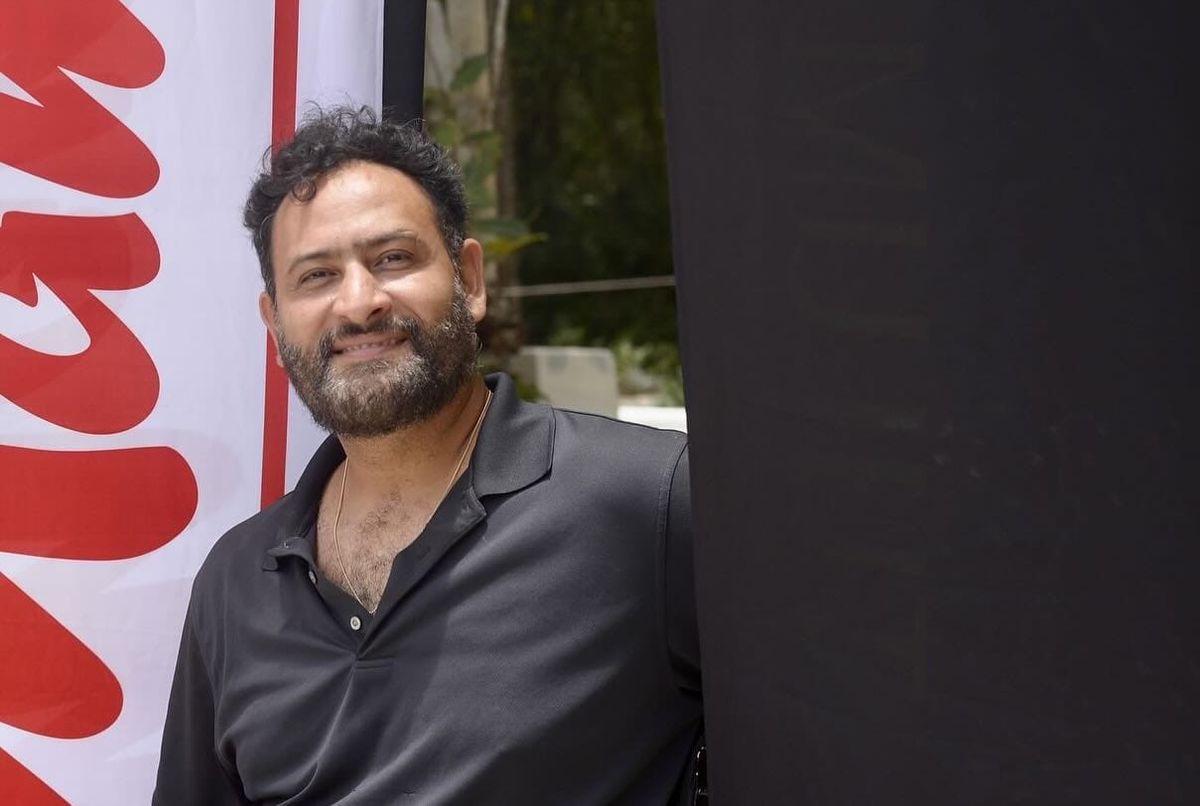
Founded by Mexican pararcher and Tokyo 2020 Paralympic gold medalist Omar Echeverría Espinoza, the Tulum Archery Club isn’t merely an institution. It’s a pulse. Steady. Defiant. Alive.
His mission? To uncover hidden talent in Tulum’s own backyard and teach them to shoot not just for bullseyes, but for belief.

The August 2nd Tournament: Small Stage, Big Hearts
At a recent friendly tournament held on August 2, 23 young athletes stepped into the sunlit line. No roaring crowds. No sponsorship banners. Just bows, arrows, and the raw weight of hope.
“This is the third tournament we’ve organized,” Echeverría explained. His voice carried the authority of a coach and the heart of a believer. “We want to hold four a year to keep the kids sharp and hungry.”
Hungry they are. But some, like 55-year-old Victorino Labrada Sánchez, are not just pursuing victory. They’re pushing back against fate itself.

Victorino Labrada Sánchez: One-Legged, Sharp-Eyed, and Unshakable
Picture this: a man draws his recurve bow under the blistering sun. The string hums with tension. The arrow sails 70 meters toward its mark. His stance is solid, balanced, but there’s no left leg. Just a polished prosthesis gleaming where bone and flesh once stood.
Victorino is no rookie. But his journey didn’t begin on the range.

From Highway Tragedy to Archery Triumph
His story starts beneath a Mexico City overpass. A chunk of concrete fell from above, catapulting him off his motorcycle and into a hospital room. The doctors didn’t catch it right away, the clot, the arterial damage. By the time they did, it was too late. They amputated 15 centimeters above the knee.
“When I was in that hospital, everything closed in,” Victorino recalled. “But I made a promise to become a Paralympian. I just didn’t expect it to be through archery.”
Now, he trains alongside Echeverría, swims laps at the Olympic pool in Playa del Carmen, and prepares for international competitions like his life depends on it. Because maybe, in some way, it does.

The Real Cost of Chasing the Target
Let’s not romanticize it. Archery is expensive. Especially in Quintana Roo, and especially if you’re balancing on one leg.
A reliable recurve bow? Around 60,000 pesos. A dozen mid-range arrows? 12,000. The high-end kind? Double that. And prosthetics? A single high-performance leg can reach half a million pesos.
Victorino doesn’t say this to complain. He states it like an accountant tallying the costs of resilience.
“We parathletes have to work twice as hard,” he says. “Balance, strength, just standing takes effort.”
That effort was on full display during the tournament. Seven hours of relentless focus. No frills. No drama. Just discipline.

Archery as Redemption, Not Recreation
If you still think archery is just about hitting targets, you’re missing the point.
This is a place for redemption. A refuge for people who’ve lost limbs, jobs, time, and are now taking aim at life itself.
Victorino once soared as a flight attendant with Mexicana de Aviación. Two decades in the sky, until corporate collapse and personal tragedy brought him down. The accident didn’t just take his leg. It shattered the trajectory of everything he’d built.
But arrows don’t fly in straight lines. They dip. They arc. They resist gravity to reach their mark. People like Victorino are no different.
From Local Tournaments to Global Dreams
Victorino recently earned his international archery certification in Morelia, giving him the right to compete on the world stage. Yet, his focus remains local, on Tulum. Here, athleticism isn’t measured by symmetry. And disability? It’s just another kind of wind resistance.

Why This Matters: The Bigger Picture for Tulum and Beyond
Echeverría and Victorino aren’t just training athletes. They’re transforming narratives in a country where adaptive sports still struggle for space.
They are building something larger than medals, a culture of discipline, visibility, and hope. One shot at a time.
Archery, as old as humanity itself, has always been about more than hitting a target. It’s about skill. Will. Survival. In the lush stretch of southeastern Mexico, it’s becoming something more: a second chance, a sense of purpose, a call to keep going.
In Tulum, archery isn’t just a sport. It’s a declaration.
I’m still here.