

The first sip was warm and slightly bitter. Sitting in a quiet café in Tulum with a cup of pure cacao, I was reminded of why this drink has become more than a wellness trend. Across the Riviera Maya, cacao is gaining visibility as a bridge between ancient Mesoamerican traditions and the modern search for emotional clarity, focus, and connection. And in a town shaped by Maya heritage, global tourism, and an increasingly fast professional rhythm, its return feels less like a fad and more like a recalibration.
Visitors arrive with different questions, but many leave with the same impression: cacao is speaking to something the modern world often overlooks.
How cacao’s Maya and Aztec origins shape today’s ceremonies in Tulum
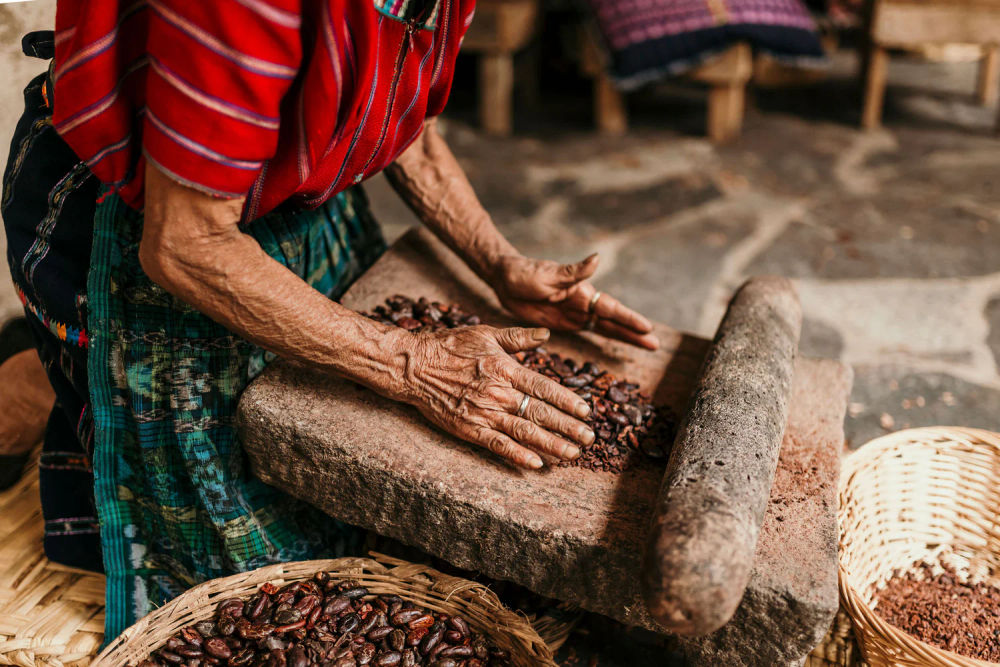
Long before Tulum became a magnet for retreats and remote workers, cacao carried deep ceremonial value among the Maya and Aztec civilizations. Elders across Quintana Roo describe it as a sacred plant used to open the heart and strengthen communal bonds. It was prepared in dense, unsweetened forms, often combined with spices and used during rites of passage, offerings, and gatherings centered on intention and healing.
Modern facilitators in Tulum still reference these roots. They explain that cacao, often called a “heart medicine,” may encourage emotional openness and introspection. The ritual preparation remains central: the cacao is ground, mixed with water or plant-based milk, and served with the deliberate intention of creating presence. This connection to its origin continues to draw travelers who want to understand how an everyday ingredient evolved into one of Mesoamerica’s most symbolic gifts.
Where spiritual experience meets contemporary wellness in Tulum
Ceremonial cacao has become one of Tulum’s signature experiences. Retreat centers in La Veleta, beachfront platforms near the hotel zone, and wellness studios throughout the town now host ceremonies that weave ancient elements with contemporary practices. Some include sound healing, others combine cacao with yoga, breathwork, or guided meditation. A few organizers bring in prehispanic instruments such as drums, shells, and flutes to shape a multisensory space.
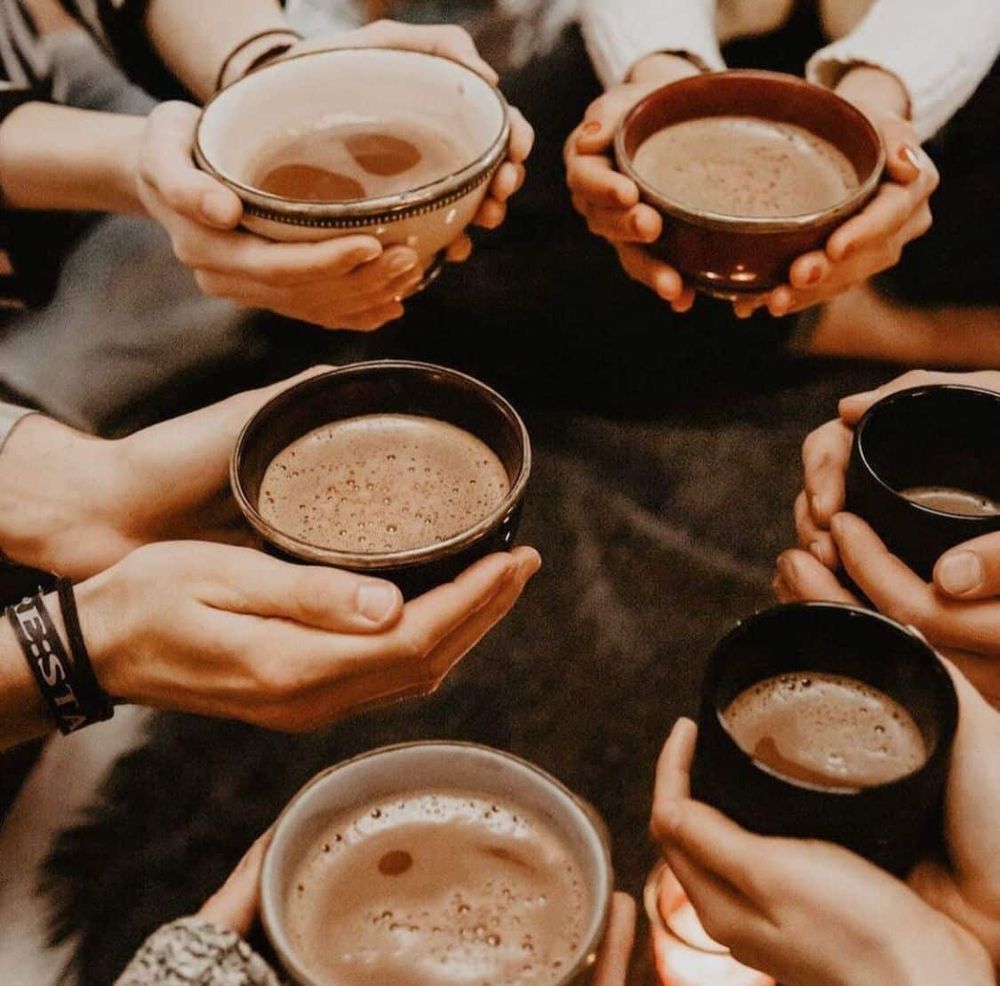
One scene captured this blend clearly. A group of travelers gathered on the beach at sunrise, seated in a circle while soft chants echoed behind them. The facilitator spoke gently about connecting with the four elements: earth for grounding, air for clarity, fire for transformation, and water for emotional flow. The participants held warm cups of cacao, steam rising in the morning light, and closed their eyes as music carried the moment. It was simple. And it was moving.
Moments like these illustrate why Tulum has become a global reference point for people seeking emotional release, spiritual curiosity, or a pause from demanding work routines.

Why cacao appears to resonate with professionals seeking clarity
The modern appeal of cacao is not limited to spirituality. Many visitors say the drink helps them slow down enough to notice patterns that speed typically hides. Cacao contains natural compounds that may elevate serotonin and endorphins, offering a gentle lift without the intensity of stronger stimulants. Practitioners describe it as a calm, sustained energy that can sharpen focus and soften emotional barriers.
This quality has become unexpectedly relevant for remote workers, founders, and creative professionals who visit Tulum seeking balance. Several leadership programs in the region now incorporate cacao sessions to support decision-making, strategic thinking, and emotional resilience. Coaches say that slowing the pace often heightens clarity. And sometimes that shift begins with something as humble as a cup of cacao served in silence.
A facilitator summarized it in a way that could fit a social media tile: “Cacao isn’t about slowing down your work. It’s about slowing down your mind so your work becomes clearer.”

What actually happens inside a cacao ceremony
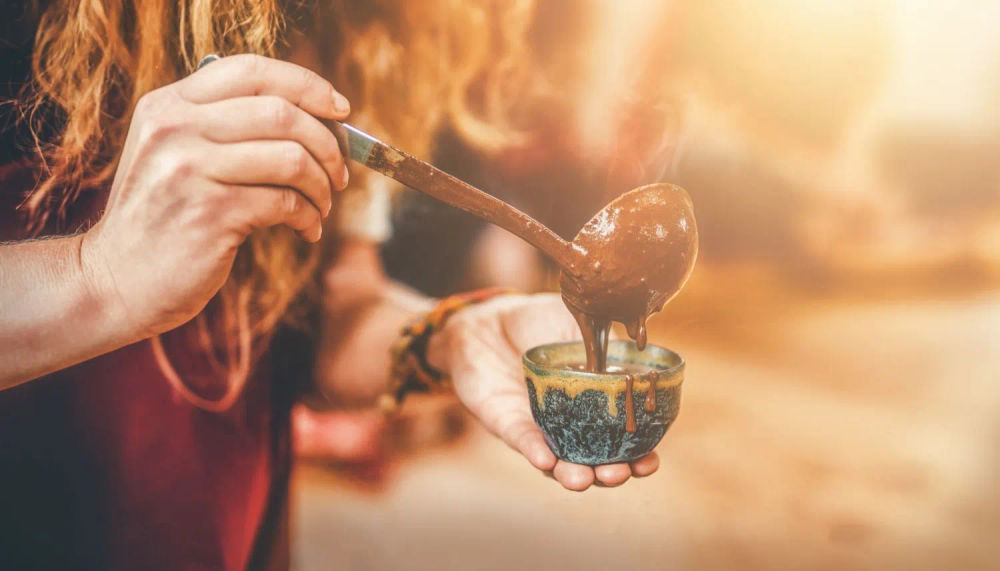
Despite the growing popularity, many visitors arrive with questions. Ceremonies in Tulum typically follow a shared structure, shaped by both tradition and modern interpretation. Participants are encouraged to set a clear intention, acknowledging what they hope to understand, release, or embrace. The cacao is served warm in a ritual preparation that may include spices, herbs, or local ingredients.
Meditation and breathwork usually guide the first moments. Music follows, often using prehispanic rhythms, chants, and soft drumming. Facilitators sometimes invite movement, gentle stretching, or short reflective exercises. In beachside ceremonies, the sound of waves becomes part of the ritual. Some participants describe a subtle emotional opening. Others simply feel calm. Each experience is different, and that variation is part of the ceremony’s appeal.
Wellness centers often offer recommendations: arrive on an empty stomach, hydrate well, avoid alcohol beforehand, and inform the guide if you take antidepressants or have medical conditions, since cacao may not be advisable for certain individuals. Many participants choose light-colored clothing as a symbolic gesture of openness. These details help frame the ritual not as performance, but as participation.
The emotional dimension: a return to ancestry and inner memory
Some attendees speak of the ceremony as a reconnection with ancestry, whether cultural or metaphorical. They describe sensations that feel like remembering something familiar, even if they have never participated before. Practitioners say this response reflects the role cacao once played in family gatherings, rites of passage, and communal spaces among ancient civilizations.
In Tulum, where the ruins overlook the Caribbean and history feels unusually present, this emotional layer becomes more pronounced. A few guests describe the experience as a return to an inner place they had forgotten. Others say the ceremony feels like an invitation to listen, not to the facilitators, but to themselves.
And at its most essential, cacao ceremonies offer a moment of reconciliation with identity and past experiences. That subtle shift often becomes the reason visitors return.
The tension between authenticity and commercialization in a fast-growing town
As the wellness industry expands across Mexico, concerns about cultural respect have become more visible. Some Maya community members appreciate the interest in traditional practices, but others worry that commercialization could dilute the ritual’s depth. The challenge for Tulum, a town balancing ancient heritage and rapid development, is finding ways to honor tradition without reducing it to entertainment.
A few local groups now partner with Maya growers from Tabasco and Chiapas to ensure ethical sourcing. Others host educational sessions explaining the history and meaning behind cacao before the ceremony begins. These efforts reflect a broader conversation about how Tulum’s future might hold space for both authenticity and innovation.
The Tulum Times has previously reported on similar tensions in sustainability debates, noting that the region’s rapid growth often puts cultural preservation at risk. Cacao ceremonies sit inside that same delicate balance.
Why the resurgence of cacao matters for Tulum’s identity
Cacao’s renewed visibility carries implications beyond wellness marketing. It signals a wider shift toward practices that emphasize presence, emotional health, and cultural continuity. At a time when the pace of life often feels relentless, rituals that encourage grounding and reflection appear increasingly relevant.
And in a destination defined by contrasts, the ancient and the new, the quiet and the frenetic, the return of cacao offers a way to reconnect with something slower, older, and unexpectedly stabilizing.
Cacao is more than a drink. It has become a meaningful lens through which Tulum reimagines its relationship to tradition, spirituality, and modern wellbeing.
We’d love to hear your thoughts. Join the conversation on The Tulum Times’ social media.
What do you believe cacao ceremonies should preserve as they continue to grow in Tulum?