
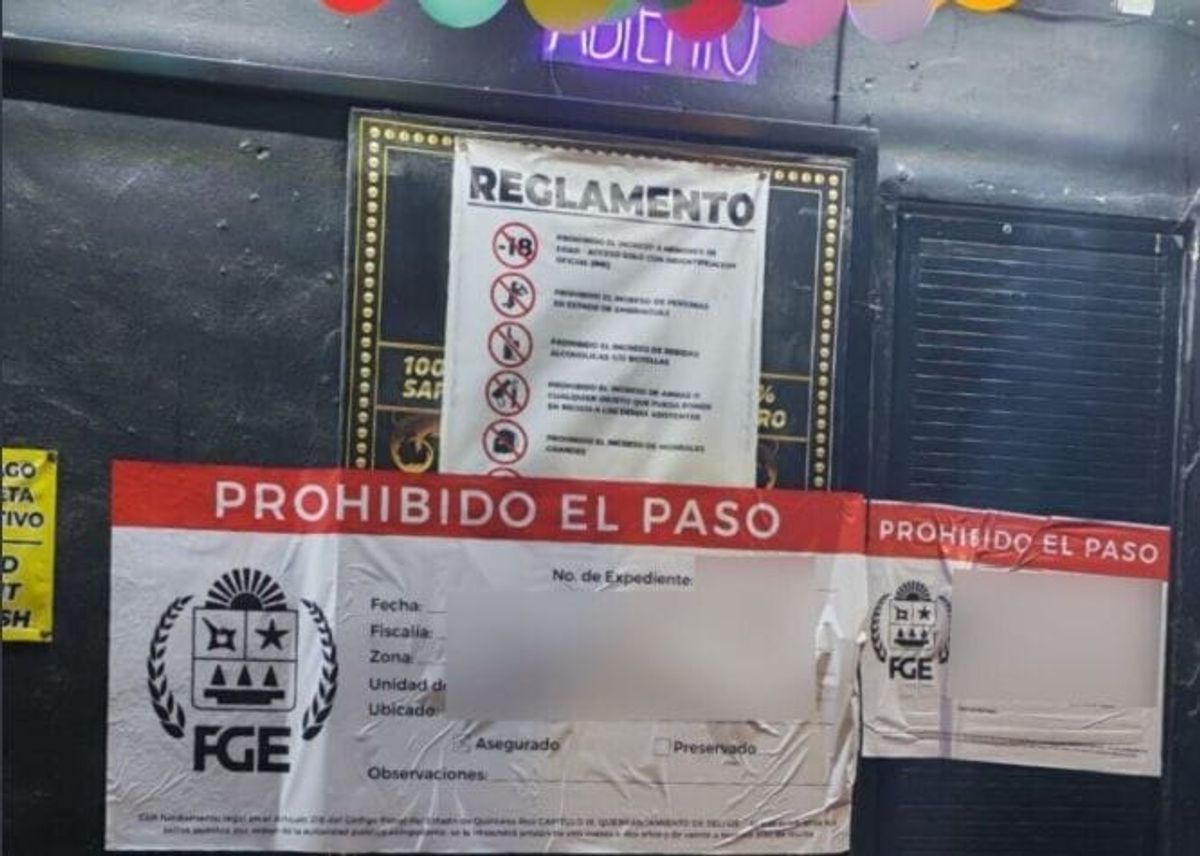
Tucked away on Calle 2 Poniente, there’s a bar whose bland exterior offers little clue to the grim reality concealed behind clinking bottles and low conversations. Just another corner of Tulum’s vibrant nightlife, or so it seemed. Behind that unassuming door, 15 women were trapped in a cruel routine: forced into sex work, deprived of autonomy, and managed with all the detachment of items on a shelf.
A Raid That Uncovered More Than Just a Crime
The Fiscalía General del Estado (FGE), acting through its Special Unit for Combating Human Trafficking, carried out a court-sanctioned raid that unearthed more than anyone expected. It wasn’t just shocking, it was a damning portrait of systemic exploitation, operating in plain sight.
When Suspicion Meets Surveillance
A Pattern the Authorities Know Too Well
Like many such investigations, this one began with a gut feeling. Agents from the Anti-Trafficking Unit noticed unusual activity around the bar: an almost industrial flow of male clientele. Not the kind that lingers for music or small talk. These were quick in, quick out. No receipts. No drinks in hand. No laughter. Just a transactional rhythm, predictable and cold.
That pattern raised enough red flags to launch an official investigation. As evidence piled up, prosecutors wasted no time securing a search warrant. Once it was in hand, the raid was set in motion.

What Authorities Found Inside the Bar
A System of Exploitation, Engineered for Profit
The raid was swift, quiet, and precise. Inside, investigators discovered six small rooms, each rented out for 100 pesos. But they weren’t for sleeping off a mezcal hangover. They were designed for one purpose: sex work. Each woman was expected to provide sexual services for between 500 and 1,000 pesos per visit.
But the women didn’t see most of that money. Often, more than half was taken by the establishment as “commission.” What unfolded behind those walls wasn’t sleazy improvisation, it was logistical efficiency. Bookkeeping met abuse. Profit margins met pain. The word “pimp” feels far too quaint for this scale of exploitation.
All of the women were Mexican nationals, referred to colloquially as ficheras: women paid to keep men company, encourage drinks, and frequently, offer more. But their freedom was paper-thin. Their choices were manipulated, their consent clouded by coercion and desperation.
The Evidence That Told the Full Story
A Paper Trail of Human Misery
Investigators didn’t leave empty-handed. They seized intimate clothing, open condom wrappers, handwritten ledgers, and folders packed with documents. These weren’t props. They were pieces of a larger, darker puzzle. Each item was carefully documented and handed off to forensic experts for deeper analysis.
Digital storage devices will undergo scrutiny. Logbooks will be read line by line. The hope is clear: to trace the operations to more perpetrators, more locations, and potentially, more victims.
After the sweep, the bar was shuttered, now marked with the FGE’s seal. What once posed as nightlife now stands frozen in legal limbo: a crime scene wrapped in silence.
Life After Rescue: Far From Simple
Survivors Face a New Kind of Battle
The 15 women are now under state protection. Their futures are uncertain, shaped by the extent of their trauma and the resources available to help them heal. Psychological support, legal protections, and possibly testimony against traffickers all hang in the balance.
Yet here lies the cruel irony: for many survivors, rescue is just the beginning of another uphill fight. Some fall through institutional cracks. Others are retraumatized by legal processes. A few are even blamed, implicitly or explicitly, for the violence they endured.
Why This Case Demands Attention
This isn’t just another crime report. It’s a crack in the glossy image of one of Mexico’s most tourist-saturated towns. This operation thrived in Tulum, where wealth flows freely and questions are rarely asked.
And that’s precisely why this story matters. Because it didn’t stay buried. Because someone paid attention. Because 15 women were pulled from a system that saw them as commodities, not people.
This case reminds us that under the neon lights and palm-tree charm, there are still shadows. But where there are shadows, there can also be a spotlight. And maybe, just maybe, that’s where change begins.
Join the Conversation
Have thoughts on this story? Share your voice with The Tulum Times community. We’re listening.