

What was once a symbol of progress in the Mexican Caribbean now faces a crisis that could define Tulum’s future. The illegal occupation of public space on Juanek Street, one of the municipality’s most important routes, has turned into a flashpoint for residents and business owners demanding the rule of law.
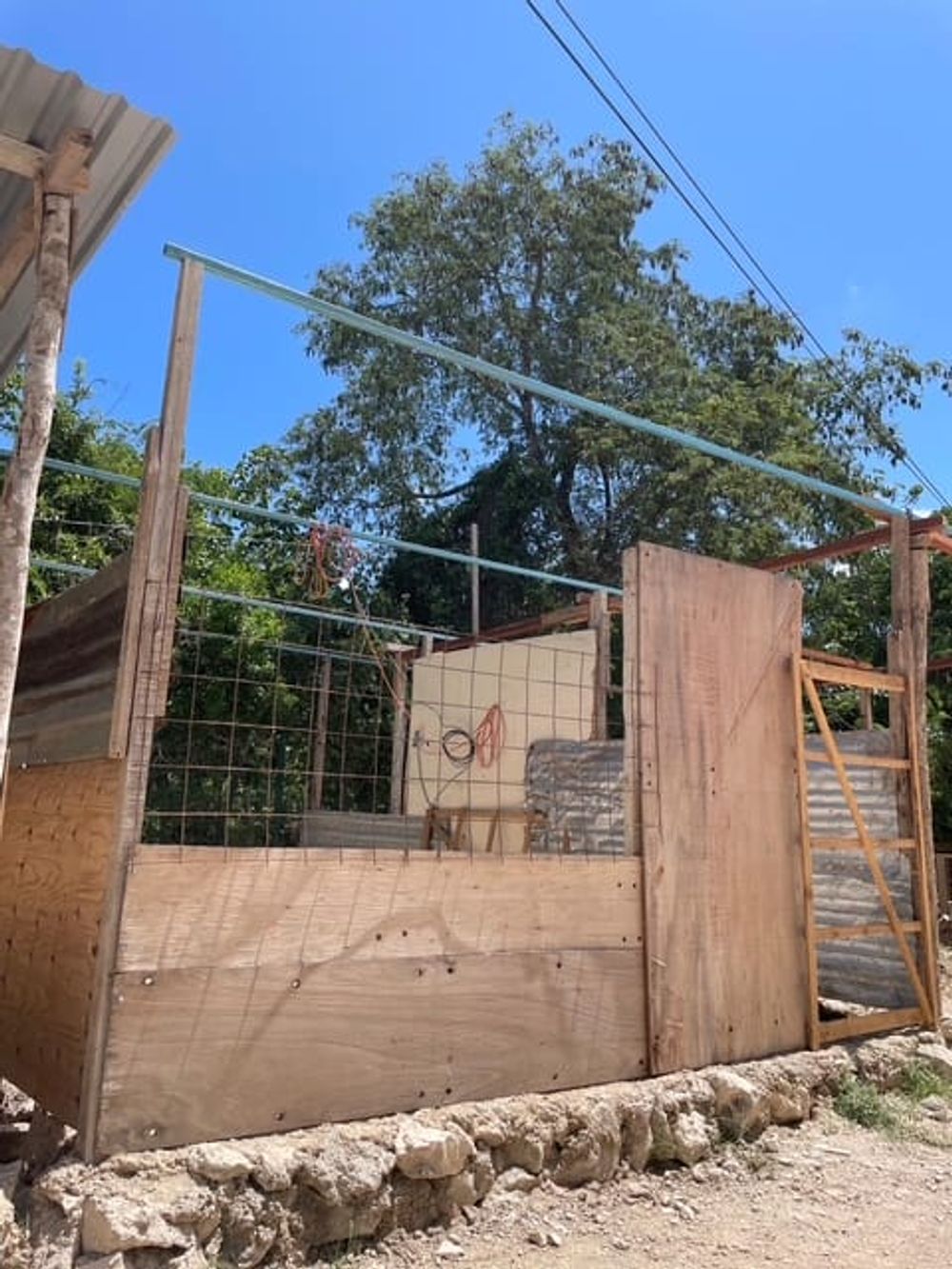
Neighbors say that for months, private individuals have taken control of parts of the street, renting or selling areas that belong to the public domain. The invasion has blocked traffic between Avenida Cobá and Avenida Kukulkán, two of the most strategic arteries in Tulum. Despite repeated complaints, municipal authorities have failed to restore order.
“The invasion of the street represents insecurity, a brake on urban development, and a terrible signal for investors,” said a group of affected residents. “Who would invest in a place where streets can be taken without consequence?”
Complaints grow as authorities remain silent
The occupation reportedly began in March. Since then, the area between Cobá and Escorpiones Bis has been transformed into an informal zone where sections of the public road are fenced off, rented, or even sold to outsiders. Witnesses claim that some of these new “tenants” are connected to local figures who benefit economically from the practice.
Although residents have filed official complaints, the government of Tulum, led by Mayor Diego Castañón, has not enforced any legal action. The case, now under review, appears to be moving slowly through administrative channels, deepening frustration among the community.

This silence has fueled speculation of possible collusion between officials and the groups involved. The absence of enforcement, residents say, is a sign that the local government is either unwilling or unable to address the growing problem.
A test for Tulum’s public order
Public safety and governance are at the heart of the issue. When municipal regulations fail to protect public property, confidence in institutions erodes. What began as a local dispute over a single street has become a symbol of disorder that could spread to other parts of Quintana Roo.
Governor Mara Lezama has been asked by residents to intervene directly. They are also demanding that Secretary of the Municipality Johnny Monsreal provide transparency regarding the status of the complaints and any administrative proceedings.

In Tulum, where rapid growth has often outpaced regulation, the case of Juanek Street exposes the fragile limits of urban control. Informal occupations, illegal land sales, and weak enforcement are turning public spaces into private commodities.
Urban chaos now linked to public health and security risks
Beyond the property dispute, there are growing concerns about safety and sanitation. According to neighbors, some of the occupants are illegally connecting to power lines, generating health and fire hazards. Others are reported to be living in makeshift structures, lacking proper waste disposal, and using the street itself as an open restroom.
These conditions, residents warn, are not only degrading the image of the area but also posing real health risks for families and tourists. Local business owners say that the disorder has scared away clients, lowering property values and affecting the rental market.
What began as an urban planning failure is now a public safety concern.

Tulum’s image under pressure again
Tulum’s reputation has suffered from repeated incidents that question its governance model. From reports of overcharging on beaches and aggressive behavior by some taxi drivers to disputes over land titles, the destination has struggled to balance its rapid expansion with proper urban management.
The illegal occupation of Juanek Street adds another layer to that crisis. Investors and real estate agents worry that if the authorities cannot control their own streets, confidence in future developments will erode. Tourism experts note that cities rely on public trust as much as natural beauty to maintain long-term stability.
For a destination that built its global name on freedom and sustainability, this kind of disorder in public management could have lasting consequences.
Voices from the community call for immediate action
In recent weeks, the community has mobilized through neighborhood associations and online groups. Photos and videos of the occupied street have circulated widely, generating public outrage and media attention. Some residents have organized legal teams to bring the matter to the state level, arguing that the situation has surpassed the capacity of the municipal government.
“We are not just defending a street. We are defending the right to live in an organized and safe city,” said one local business owner.
The Tulum Times has verified that several formal complaints have been filed with the Quintana Roo government, urging direct intervention. Whether these actions will lead to concrete results remains uncertain, but the public pressure is increasing.
Governance under scrutiny as elections approach
The issue comes at a politically sensitive moment. With local elections on the horizon, residents are watching closely how the administration of Diego Castañón handles the crisis. The outcome could shape public perception of transparency and accountability in one of Mexico’s most-watched tourist municipalities.
Analysts point out that the case has broader implications for governance across the Riviera Maya, where disputes over land and urban planning have become more frequent. The conflict highlights the gap between Tulum’s image as a global destination and its internal reality of limited regulation.

What is at stake for Tulum’s future
If the illegal occupation in Tulum is not addressed soon, the problem could redefine how the municipality is perceived internationally. A city that once symbolized ecological balance and creative freedom now risks becoming known for impunity and poor urban management.
Restoring order on Juanek Street is not only about clearing a road. It is about reaffirming the rule of law and protecting the idea of public space as a collective right.
The outcome will test whether Tulum’s authorities can act decisively and transparently, or whether the city will continue to drift between growth and chaos.
Seeking balance between livelihoods and public order
Many of those occupying parts of Juanek Street are not outsiders but local residents seeking a way to earn a living amid Tulum’s rising costs and limited economic opportunities. While their actions fall outside legal frameworks, the underlying issue reflects a wider struggle for affordable space and fair access to income in a rapidly growing city.
Urban specialists suggest that resolving this conflict will require more than enforcement. Authorities could open dialogue with community members to identify alternative areas for regulated commerce, provide access to microcredit for small entrepreneurs, and promote training programs that support formal employment.
At the same time, residents and business owners insist that public streets must remain free and safe for everyone. They propose that any relocation or regularization process be transparent, equitable, and accompanied by urban planning measures that prevent future occupations.
Tulum’s challenge is to reconcile social needs with public order. If government, citizens, and local workers can cooperate to
We’d love to hear your thoughts. Join the conversation on The Tulum Times’ social media.
Do you think the government’s inaction on the Juanek Street case will affect Tulum’s international reputation?