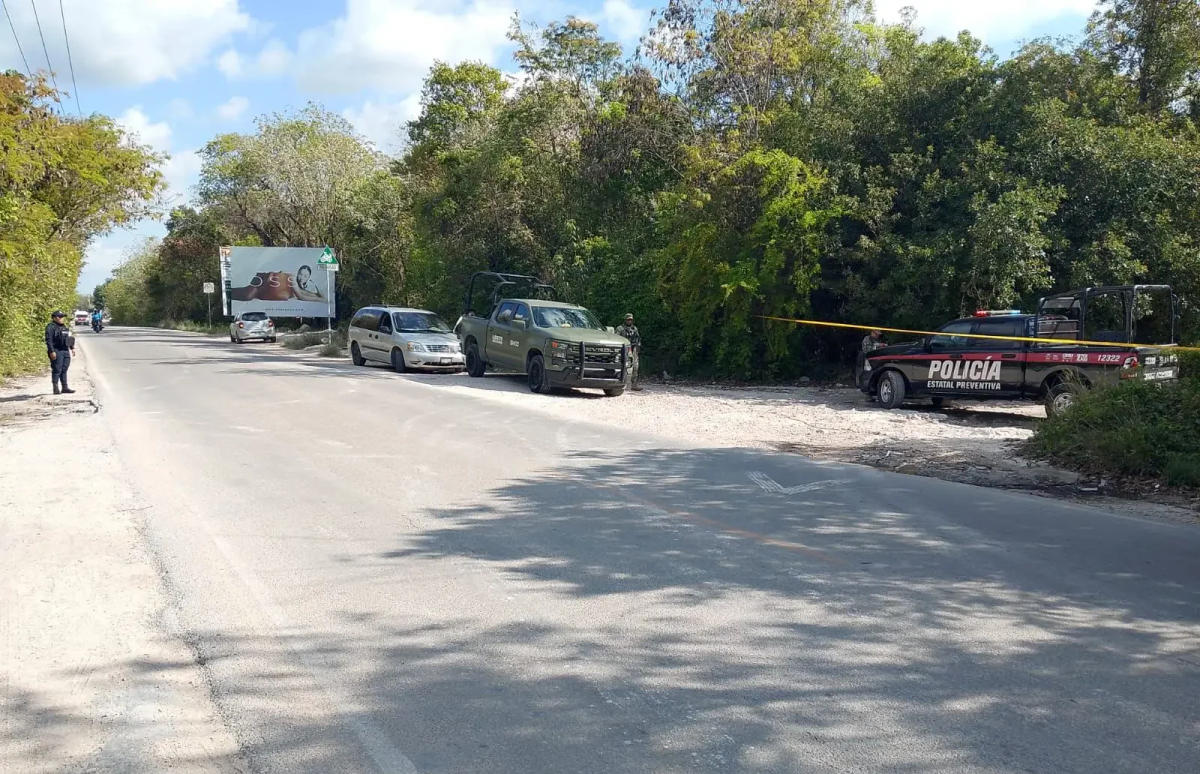

Arriving in Tulum, many travelers expect sun, serenity, and seamless mobility. Yet, after touching down in paradise, it’s often the final leg of the journey, getting from A to B, that reveals a stubborn local dilemma. In a town known for transformation and modernity, the battle over transportation still clings to the past.
Uber’s presence in Tulum – a popular beach town in Quintana Roo, Mexico – has been marked by legal battles, local resistance, and a tug-of-war between modern ride-sharing and traditional taxis. The following report provides a comprehensive overview of Uber’s status and impact in Tulum, covering its legal framework, practical availability, recent controversies, comparison with the local taxi industry, and the broader economic and social implications for the community.
Legal Status of Uber in Tulum
State-level decisions in Quintana Roo govern Uber’s legality in Tulum. For years, ride-hailing was in a gray zone due to local mobility laws requiring a public transport concession (permit) to operate. Uber first launched in Quintana Roo in 2016, but operations were halted soon after amid legal injunctions and taxi union pressure.

A significant turning point came in January 2023 when a federal court issued a favorable ruling recognizing Uber’s service as a private transportation contract, not subject to the same taxi licensing. The court’s decision defined app-based ride services as private, allowing Uber to operate in the region legally.

Following this ruling, the state government moved to update its laws. In May 2023, the Congress of Quintana Roo unanimously approved reforms to the State Mobility Law to regulate and allow digital ride-hailing platforms. Governor Mara Lezama emphasized that lawmakers aimed to promote competitiveness, improve quality, and safeguard user integrity, signaling support for Uber’s legal operation alongside taxis.
However, implementation was contentious. Initially, officials cautioned that Uber could not begin service until detailed regulations and permitting processes were implemented. By early 2025, the state passed stricter penalties for violence or interference in public transportation, allowing authorities to cancel taxi licenses and concessions for assaults or intimidation. Governor Lezama announced a “zero tolerance” policy to protect the public’s freedom to choose transport without fear.
Availability and Usage in Tulum
But what does legality mean if the service doesn’t function in practice? For many in Tulum, the Uber app symbolizes modernity more than a dependable ride.
Despite its legal status, Uber’s practical availability in Tulum has been extremely limited. While the app lists Tulum as a service area and allows users to request rides and view fare estimates, there are few active drivers in practice. Tourists and locals report that finding an Uber ride is unreliable, with many requests going unanswered.
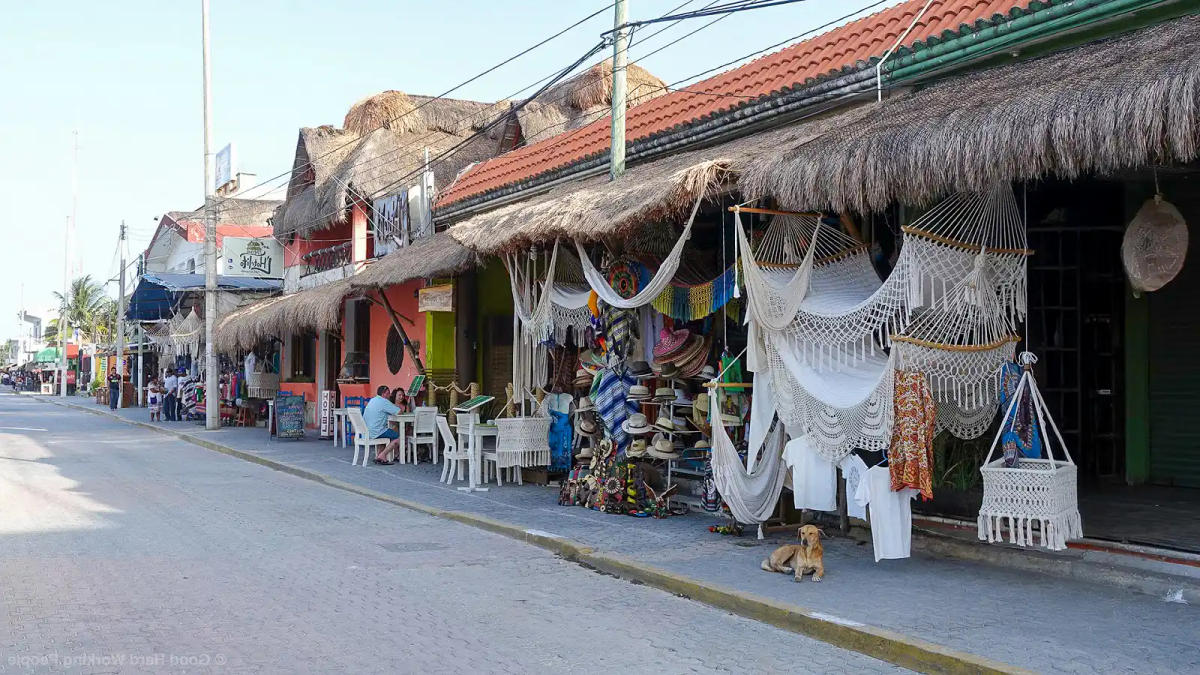

The limited availability is largely due to a hostile environment created by the local taxi union and drivers’ reluctance to operate in Tulum. Although Uber officially resumed operations in Quintana Roo in early 2023, the rollout focused on Cancún and did not immediately extend to Playa del Carmen or Tulum.
Challenges include low driver availability, safety concerns from potential confrontations with taxi drivers, and previous platform limitations such as restrictions on airport pickups. A judge lifted the ban on airport pickups in August 2024, theoretically extending Uber’s functionality to Tulum’s upcoming new airport. Still, resistance from taxi unions and the lack of drivers make Uber an aspirational option rather than a reliable service.
While some travelers may take an Uber from Cancún to Tulum, once in town, they must rely on traditional taxis, hotel shuttles, rental cars, bicycles, or colectivos. Most residents and visitors revert to these options due to Uber’s inconsistent availability.
Recent News and Controversies
The past two years have seen frequent clashes and public disputes over Uber’s operation in the Riviera Maya region, including Tulum. In January 2023, following the court ruling, taxi unions staged protests across Quintana Roo. In Cancún, taxi drivers blockaded roads to the Hotel Zone and airport, stranding travelers.

The unrest led to dramatic scenes, including tourists walking along highways or being transported by police trucks. The U.S. Embassy issued a security alert, warning of possible violence between Uber and taxi drivers.
Tulum’s taxi union participated in these demonstrations, organizing road blockades on Highway 307, disrupting travel to the new airport and causing tourists to cancel reservations. Business leaders, such as the president of the Tulum Hotel Association, publicly criticized the blockades, citing reputational damage to the destination.
Violent incidents further escalated tensions. Protesting taxi drivers have confronted suspected Uber vehicles, leading to vandalism, harassment of drivers and passengers, and even shootings. In one instance, an Uber driver in Cancún was shot while picking up passengers at a hotel. Uber drivers responded by staging protests demanding protection and accountability.
“We’ve had guests cancel their stays because they couldn’t rely on transport,” said a boutique hotel manager in Aldea Zama. “People want choice, and right now, they don’t feel they have it.”

While tourists were sometimes caught in these conflicts, taxi drivers argued that Uber presented unfair competition, operating without permits and regulatory costs required of taxi operators. Despite their grievances, aggressive tactics hurt their image, prompting the government to enforce new laws and sanction violent behavior. The government even moved to revoke licenses for those involved in harassment.
In December 2023, a truce was reached in Cancún, with Uber and the largest taxi union signing an agreement to allow taxis onto the Uber platform. This model could potentially be adopted in Tulum.
Taxi Industry Comparison
Tulum’s taxi system remains the dominant form of local transport, but it is known for high fixed fares and inconsistent practices. Short trips within Tulum town often cost about 150 pesos (US$ 7), and rides to the beach zone can reach 500 pesos or more (US$ 25). In contrast, Uber typically offers more affordable and transparent pricing in areas where it is operational.
Uber provides upfront fare estimates, cashless payment, GPS tracking, and user safety features. Taxis in Tulum lack meters, often rely on verbal fare agreements, and provide limited accountability. This leads to concerns over price-gouging, especially among tourists.
While Uber is considered safe in many parts of Mexico, its use in Quintana Roo carries unique risks due to tensions with taxi drivers. Still, many travelers and residents prefer Uber for its pricing and reliability, where available.
Reliability is another key difference. Uber, under normal conditions, can reduce wait times and increase accessibility. Tulum’s taxi system struggles with availability during peak hours or in remote areas, leading to inflated night rates or long waits.

Public sentiment has increasingly favored Uber due to dissatisfaction with taxi pricing and practices. Viral incidents, such as a YouTuber being charged 2,000 pesos (US$ 100) for a short ride, have fueled negative perceptions of local taxis. Nonetheless, taxi drivers emphasize the need for fair regulation, noting the costs they bear to operate legally.
Economic and Social Impact
Uber’s presence significantly impacts Tulum’s economy, tourism, and local livelihoods. Ride-sharing introduces competition to a previously monopolized industry, potentially lowering transport costs and improving service quality.
Residents, especially those without cars, could benefit from more affordable and flexible mobility options. Greater connectivity would help tourists explore beyond the central zones, boosting local businesses. The government has highlighted Uber’s role in promoting accessibility and responding to long-standing demands for transport alternatives.
However, this shift also threatens the income of traditional taxi drivers, many of whom depend on their licenses and daily fares. The government has attempted to level the playing field by requiring ride-share drivers to obtain permits under the new law.
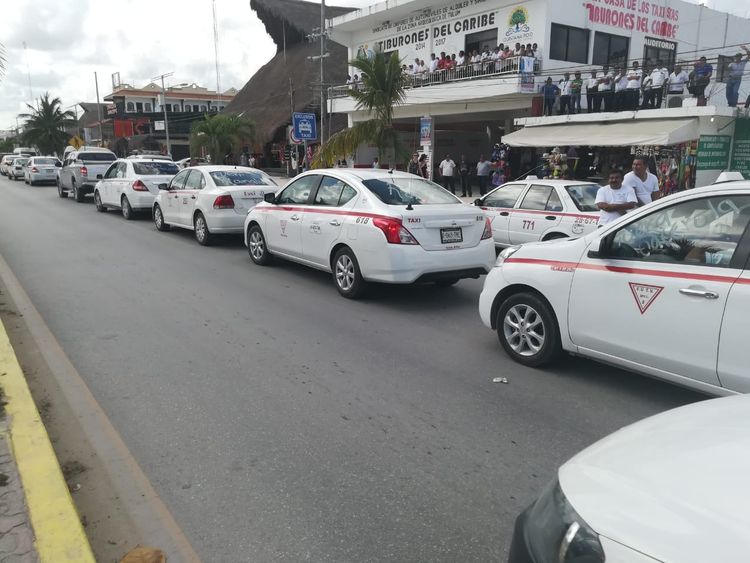
The unrest surrounding Uber has already impacted tourism. During taxi protests, travelers canceled trips and left Tulum early. The local hospitality sector has voiced concern over the destination’s reputation, warning that persistent transport issues could drive tourists elsewhere.
The hybrid model implemented in Cancún offers a potential solution. It integrates taxi drivers into the Uber platform and allows them to benefit from app-based services. If replicated in Tulum, this model could protect jobs while improving user experience.
The Road Forward
Ultimately, the conflict over Uber in Tulum represents a broader transformation in transportation, economics, and public expectations. As the town grows, the need for efficient, safe, and fair mobility becomes increasingly urgent.
If Tulum can forge a model of inclusive, equitable mobility that respects both legacy and progress, it might not just solve its transport problem; it could set an example for communities worldwide navigating the crossroads of tradition and innovation.
With the right balance, Tulum could emerge with a transport system that respects innovation and tradition.
We invite our readers to share their perspectives on our social media platforms. Your voice matters.
Loved this story?
There's more where that came from.
Join readers who get Tulum's most essential news and local insights delivered straight to their inbox, with no noise, just the good stuff.
No spam · Unsubscribe anytime · 100% free
Transportation in Tulum: Taxi, Bus, Transfers, and Mobility
Taxi fares, buses, transfers, road changes, mobility updates, and practical transport guidance for Tulum.
Support The Tulum Times
Independent journalism takes time and resources. If you found this article valuable, consider supporting our work!
Buy us a taco 🌮“The best journalists reporting from paradise, highlighting the heroes that keep Tulum the most beautiful place in the world! THANK YOU!”