

Federal Mexican forces from the Defense Ministry (Sedena), supported by intelligence from the National Intelligence Center (CNI) and the Attorney General’s Office (FGR), killed Nemesio Oseguera Cervantes, known as “El Mencho,” during an operation on Feb. 22 in Tapalpa, Jalisco, according to an official confirmation included in reports shared Monday.
The same reports said four alleged cartel members died in the operation, including Oseguera Cervantes, and that authorities made arrests and seized weapons, including rocket launchers, along with armored vehicles. No military deaths were reported in the operation.
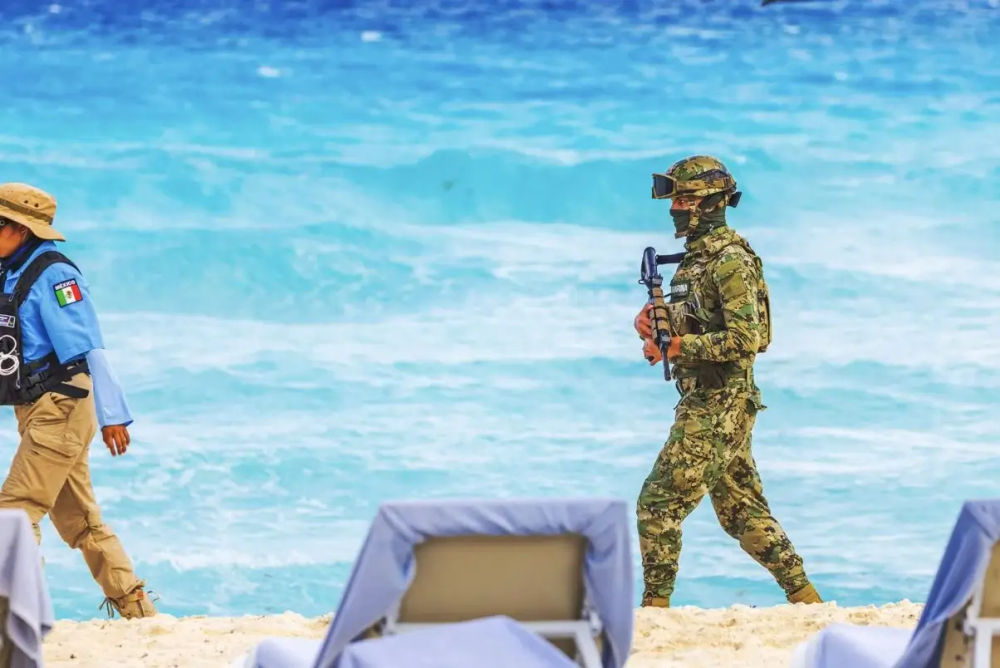
In Quintana Roo, the reported killing has been followed by unrest tied to organized crime retaliation, including narcoblockades, the burning of 16 vehicles, and attacks on businesses in multiple tourist cities, including Tulum, Playa del Carmen, Cozumel, Cancún, and other locations. As of Feb. 23, no direct civilian or tourist victims had been reported in the information provided, but local disruptions have included the suspension of some markets, events, and intercity transportation, along with permanent security coordination tables and large deployments of the National Guard, Army, and Navy.
The U.S. Embassy updated its alerts on Feb. 23, restricting the movement of its personnel in Quintana Roo due to ongoing operations and recommending immediate shelter in place if violence occurs.
This explainer is based only on the details provided through Feb. 23, 2026, and is intended to help travelers and residents understand what is changing on the ground in and around Tulum right now.
What changed after Feb. 22
The base information describes a clear chain of events: an officially confirmed federal operation in Jalisco, followed by retaliatory disturbances in Quintana Roo that included road blockages, arson attacks against vehicles, and attacks on businesses in several cities.
For Tulum, the immediate change is not a broad collapse of daily life, but a higher likelihood of short-notice disruptions tied to security operations and to retaliation tactics that can affect mobility. Even without reported direct harm to tourists through Feb. 23, the kinds of incidents described, especially narcoblockades and vehicle fires, can quickly strand visitors, force route changes, and lead to temporary closures.
And the embassy posture matters because it indicates an expectation of potential volatility, even if localized.

What Has Not Been Reported in Tulum
As of Feb. 23, 2026, the information available indicates no direct civilian or tourist fatalities in Tulum linked to the disturbances that followed the confirmed federal operation in Jalisco. Hotels in the main tourist corridors continue operating, beaches remain open, and there are no reports of systematic attacks targeting visitors.
This distinction matters. While narcoblockades, vehicle burnings, and business disruptions have been reported across Quintana Roo, the events described are retaliatory and localized rather than aimed at tourism infrastructure itself. For travelers, separating confirmed facts from social media amplification is essential to making informed decisions.
How to Decide If You Should Travel This Week
Not all trips carry the same level of exposure. If your itinerary centers on staying within a resort or hotel zone, visiting beaches during daylight hours, and limiting long-distance night travel, your exposure to disruption is significantly lower.
Risk increases when plans involve late-night transportation, frequent intercity travel, unregulated nightlife venues, or movement through poorly lit or peripheral areas. The current context does not automatically require cancellation, but it does require a realistic review of your schedule and your tolerance for short-notice changes.
Flexibility is now a core safety strategy.

Short-Term Versus Medium-Term Stability
In the immediate term, the main concern is mobility. Road closures, security checkpoints, and temporary event suspensions are the most likely impacts visitors could encounter. These can change by the hour depending on security operations.
Over the next one to three months, the situation will depend on how organized crime dynamics evolve following the confirmed killing of “El Mencho.” The base information suggests the possibility of short-term instability, though no escalation targeting tourism has been reported through Feb. 23.
Trend data from 2025 showed a sustained decline in homicide figures before these events. That longer trajectory still exists, but short-term shocks can temporarily interrupt it.
Airport Transfers and Flight Logistics
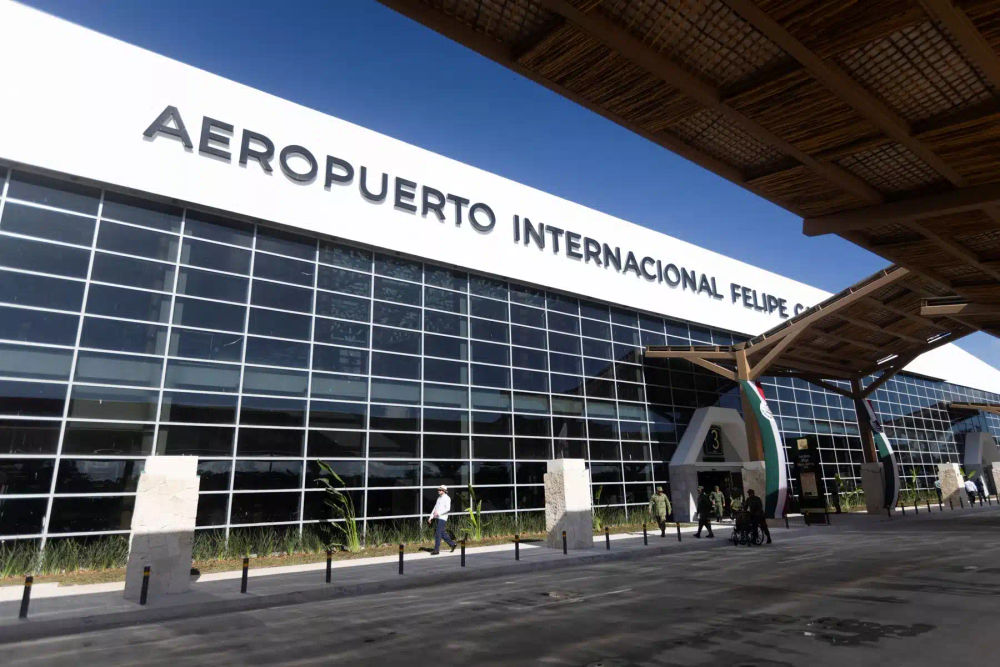
For most Tulum visitors, Cancún International Airport is the main entry and exit point. When narcoblockades or vehicle burnings occur, highway mobility becomes the most immediate vulnerability.
Even if hotels and beaches remain open, access to and from the airport can be affected by road closures or heavy security presence. Travelers should allow extra time for transfers, monitor official updates before departure, and prioritize transportation providers that can verify route conditions in real time.
Missing a flight is more likely during mobility disruptions than being exposed to direct violence.
How Local Workers and Businesses Are Affected
Security disruptions in Quintana Roo not only affect visitors. Tulum’s economy relies heavily on hospitality workers, small retailers, tour operators, drivers, and event organizers whose income depends on a steady tourist flow.
When occupancy drops or events are suspended, local livelihoods are immediately impacted. That economic pressure can amplify perception issues even if incidents remain localized. Understanding this broader context helps explain why stability and clear communication are critical for the community.
Safety is not only a visitor issue; it is a local economic issue.
Myth Versus Reality in Moments of Volatility
Cartel retaliation tactics such as vehicle burnings and roadblocks are typically designed to send messages to rivals or authorities, not to target random tourists. That does not eliminate risk, but it clarifies intent.
By contrast, the most common risks facing visitors in Tulum historically involve opportunistic theft, scams, alcohol-related incidents, or transportation disputes. These are less dramatic but statistically more relevant to travelers.
Tourism infrastructure in Quintana Roo has continued operating during past security operations, even while law enforcement activity intensified behind the scenes. That dual reality can appear contradictory, but it reflects how targeted violence and mass tourism often coexist without directly intersecting.

Avoiding Misinformation During Security Operations
In volatile moments, misinformation spreads faster than official updates. WhatsApp voice notes, unverified X posts, and reposted videos from other cities are often circulated as if they occurred in Tulum.
Travelers should rely on verified government accounts, official security bulletins, embassy updates, and direct hotel communication rather than forwarded messages. Acting on inaccurate information can cause unnecessary panic or risky rerouting decisions.
Verification is part of personal security.
What to Monitor Each Day
Conditions in Quintana Roo can shift quickly during active security operations. Visitors currently in Tulum, or planning to arrive soon, should monitor several indicators daily.
- Check official transportation updates regarding Highway 307 and local road access.
- Review embassy advisory changes, particularly any shifts in movement restrictions.
- Confirm hotel cancellation or modification policies remain flexible.
- Verify event status directly with organizers rather than relying on third-party listings.
These signals provide practical insight into how stable the situation is in real time.
Who is directly affected in Quintana Roo?
The first group affected is local residents and workers in the tourism corridor, especially those who commute between municipalities or rely on open-air markets, public events, or intercity transport. The second group is businesses, particularly retail and service locations that can become targets during waves of intimidation and retaliation.
Tourists are also affected, even when not physically targeted, because a trip’s safety depends heavily on predictability: being able to reach a hotel, move between attractions, and access transportation out of the region if needed. Families with children, solo travelers, and visitors who plan late-night travel are the most exposed to the practical risks of disruptions described in the base text.
Temporary residents and digital nomads are affected in a different way: their routines, transportation patterns, and reliance on stable internet and services can make sudden road closures and event cancellations more disruptive than a short-stay vacation.

Is Tulum safe to visit and stay right now?
Based strictly on the information provided through Feb. 23, Tulum has not reported direct civilian or tourist victims tied to these disturbances. At the same time, the base text describes active retaliatory behavior across Quintana Roo and an active security response, plus a U.S. Embassy alert that includes movement restrictions for its personnel and shelter-in-place guidance in case violence flares.
That combination supports a practical conclusion for travelers: Tulum may still be visitable, but it requires stricter risk management than normal, especially around transportation timing, route choice, and the ability to shelter in place if conditions change quickly.
One subtle reality is that safety for visitors in a resort area can look “normal” in daylight, even while security forces are working intensively behind the scenes. That gap between perception and operations is often where confusion starts.
How to use the embassy guidance
The base text says the U.S. Embassy updated alerts on Feb. 23, restricted personnel movement in Quintana Roo due to ongoing operations, and recommended immediate shelter in place if violence occurs.
For travelers of any nationality, the actionable meaning is straightforward: be ready to stop moving quickly. If you hear about a nearby incident, see roadblocks, or observe sudden changes like heavy security presence and closures, prioritize staying inside a secure location, ideally your hotel, until reliable information indicates it is safe to travel again.

Transportation is the immediate risk factor
The incidents described, especially narcoblockades and vehicle burnings, are most likely to affect people who are on the road when retaliation activity spikes.
If your itinerary requires intercity travel, the safest practical interpretation of the base text is to avoid unnecessary long-distance movements during a period when authorities are running ongoing operations and when retaliatory disruptions have already been reported. The base text also references suspensions of intercity transportation, which can leave travelers with fewer official options at short notice.
If you are already in Tulum and planning day trips, keep plans flexible and treat sudden closures as a reason to stay in place rather than “find a back road.”

Where risk concentrates inside Tulum
The base text differentiates between tourist areas and non-tourist areas and describes a pattern in which most victims are local men in organized crime disputes, while tourists are a very small share of victims and are more commonly impacted by minor thefts.
It also names specific zones and scenarios where risks increase, especially at night, including poorly lit side streets behind main avenues, deserted beach stretches after sunset, and peripheral neighborhoods and unpaved roads. Taken together, the practical guidance is to stick to well-lit, higher-traffic corridors and avoid night movement that requires walking long distances or using informal transportation.

Nightlife precautions under current conditions
The base text emphasizes that many visitor problems cluster around alcohol, late-night movement, and encounters connected to drugs. That is not an abstract concern in the context of Feb. 23 because heavy security operations and potential retaliation activity can compress response times and change conditions street by street.
If you plan to go out at night, the conservative approach implied by the base text is to stay in groups, limit intoxication, and avoid accepting drinks from strangers. It also suggests using verified ride-hailing where available, confirming vehicle details before entering, paying digitally, and sharing live location with someone you trust.
The point is not to avoid nightlife entirely, but to remove the most common triggers that combine with volatility: being alone, being far from your accommodation, being impaired, and needing to improvise transportation.

What the base data says about the trend and volatility
The provided information states that Quintana Roo and Tulum saw significant reductions in homicide counts in 2025 compared to prior periods, and it describes a broader downward trend in violence metrics before the events of Feb. 21 to Feb. 22.
But it also describes short-term “spikes” that can occur, and it explicitly frames the post-Feb. 22 period as a moment that may produce temporary instability, even if the reported impacts have not directly targeted tourists through Feb. 23.
For readers, the practical takeaway is that long-term trend lines do not eliminate short-term shocks. Visitors plan around shocks.

Common crime risks travelers still face
The base text also lays out non-cartel risks that matter to visitors, including theft of phones and bags, taxi-related scams, and alleged extortion attempts by police demanding informal payments. It describes specific ways travelers can respond, including requesting credentials, avoiding cash payments without receipts, and contacting emergency services rather than negotiating on the street.
This is where planning matters for Tulum: even when organized-crime violence is not directed at tourists, the stress of disruption can increase opportunistic crime and scams aimed at visitors who look uncertain or isolated.
Health, water, and natural hazards remain part of safety
The base text includes non-criminal hazards that can quickly become emergencies for visitors: drownings tied to currents, jellyfish and insect issues, dengue risk, and gastrointestinal illness from contaminated water. These hazards do not stop during security operations, and they can become harder to manage if transportation is disrupted.
In practical terms, travelers should not treat “safety” as only crime. A trip can be derailed faster by an avoidable water-related illness or a dangerous swim decision than by any headline.

Emergency contacts and what to save now
The base text lists Mexico’s national emergency number as 911 and the anonymous reporting line as 089. It also provides municipal and service numbers for Tulum police, tourist police, the Red Cross, firefighters, and civil protection, plus the Guest Assist hotline.
If you are arriving or already in Tulum, saving these numbers and sharing them with your travel group is a simple step that reduces risk in volatile periods when you might not have time to search.
What does this mean for travel decisions this week
For travelers deciding whether to come now, the base text supports two realities at once: Tulum can continue to function as a tourism destination, and the region is experiencing a security shock that can produce sudden disruptions. Both can be true.
If your plans are flexible, the most risk-reducing option is to prioritize bookings with cancellation policies and to design an itinerary that does not depend on late-night transfers or frequent intercity travel. If you are already here, the safest posture is to reduce movement during periods of unrest, lean on hotel protocols, and treat official alerts as operational guidance, not background noise.
The Tulum Times will continue to track how the security posture evolves, especially any changes to transportation operations and official advisories, because that is where visitors feel the situation first.
What is at stake is Tulum’s ability to keep daily tourism functioning while security forces manage an active and fast-moving response, and what changes going forward is the need for travelers to plan around short-notice disruptions and shelter-in-place guidance tied to Is Tulum safe to visit? “We’d love to hear your thoughts. Join the conversation on The Tulum Times’ social media.” What safety decision are you making differently after Feb. 23, 2026?