

A sunrise over the Caribbean still steals the breath of anyone watching from Tulum’s coastline. The ruins perch quietly above the sea, pelicans glide just overhead, and travelers sip their morning coffee in open-air cafés along Avenida Cobá. The beauty is intact. The vibe is unmistakable. The question is: Is it safe to go this winter?
Travel advisories may suggest caution, headlines may flare with crime stats or sargassum alerts, but ask anyone who’s just returned from Tulum, and the answer is usually the same: “I had an amazing time, and I’d go back.”
So let’s get real. Not sugar-coated, not alarmist. Just a clear, practical guide to visiting Tulum in winter 2026, safe, smart, and ready for a beach towel and mezcal.

What Do the Travel Advisories Really Mean?
First, the facts.
The United States, Canada, the United Kingdom, and Australia all list Quintana Roo, the state that includes Tulum, at Level 2: Exercise Increased Caution. This is the same rating given to many popular destinations worldwide, including parts of Europe and South America.
These advisories are not warnings against travel. They are reminders to stay alert. Most emphasize:
- Stick to well-lit, tourist-friendly zones
- Avoid isolated areas, especially at night
- Use licensed transportation
- Limit nightlife wandering
- Stay informed about local conditions
In other words, act the way you would in any major tourist destination. The majority of incidents involve petty theft or scams, not violence. And most travelers enjoy their vacations without issue.

What’s Being Done on the Ground
Tulum hasn’t ignored concerns. In fact, it’s taken bold, tangible steps to become safer and more secure for both visitors and locals.
High-Tech Monitoring: The C4 Surveillance Center
In 2025, the city launched its new C4 surveillance hub, connecting over 600 security cameras to a regional command center in Cancún. Businesses are now required to link their own security cameras to the system or risk losing operating licenses.
This initiative means faster emergency response, increased real-time monitoring, and a deterrent to crime.
National Guard and Police Patrols
Tulum is actively patrolled by the National Guard, state police, navy, and municipal officers. These forces collaborate in operations like “Safe Summer” and “Operation Summer Vacation”, monitoring beaches, archaeological zones, roads, and transport hubs.
They aren’t just visible, they’re interactive. Officers hand out safety advice, respond to disturbances, and engage with tourists.
Specialized Beach Security Unit
A dedicated beach police division walks the shorelines, answers questions, checks permits, and offers a clear message: this town values your safety.
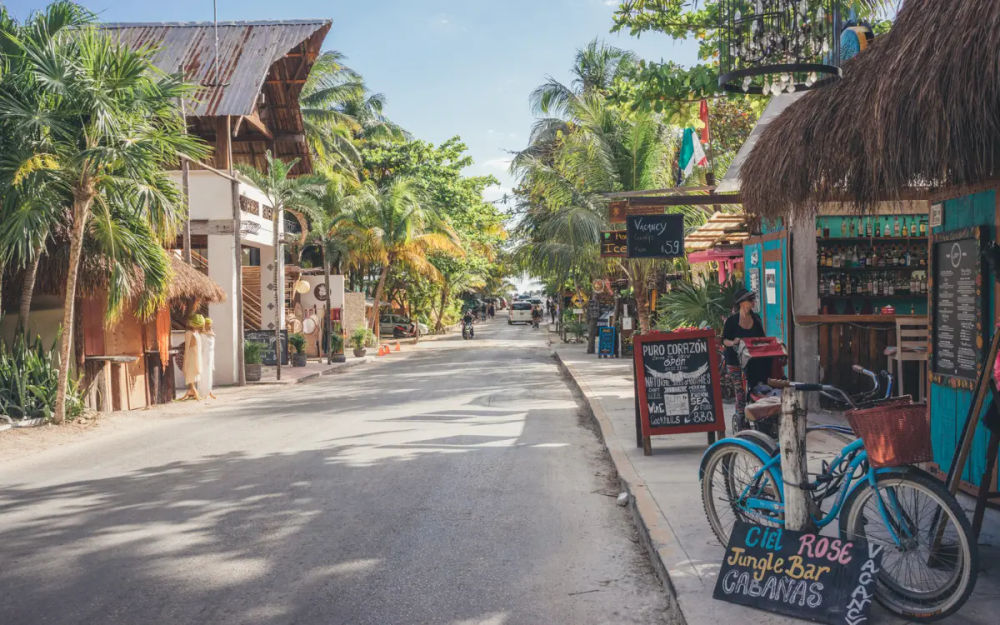
The Reality of Crime and Scams
Crime Stats in Context
With millions of visitors passing through the Riviera Maya, the data suggests that most travel is trouble-free.
Yes, there have been incidents tied to organized crime. But these are typically targeted, internal disputes, not attacks on tourists. Crime, where it does affect visitors, tends to involve theft or scams.
10 Common Tourist Scams in Tulum (and How to Avoid Them)
You’ll be safest if you understand the grifts. Here are the most reported scams:
- Fake taxi fares or “special tourist prices”
➤ Avoid hailing cabs off the street. Use ride-share apps or hotel-recommended drivers. - Pushy timeshare or real estate pitches
➤ If someone offers a “free breakfast tour,” expect a high-pressure sale. Walk away early. - Free tour that turns into a payment trap
➤ Always clarify cost and expectations up front. - Fake designer goods in markets
➤ Inspect carefully. Many luxury items are knock-offs. - Pickpocketing during selfies or distractions
➤ Be aware of your surroundings, especially in crowds. - Fake police demanding on-the-spot fines
➤ Ask for ID and refuse to hand over cash. Real officers issue tickets, not threats. - ATM skimming or “friendly helpers” at ATMs
➤ Only use machines inside banks or major hotels. - Unregulated beach services charge inflated fees
➤ Stick to hotel or vetted beach clubs. - Currency exchange scams
➤ Use official money exchange counters, not streetside stalls. - “Found your phone” hustle
➤ Some “good Samaritans” return a lost item, then demand a reward.
Stay calm, stay skeptical, and when in doubt, walk away politely.

Safety Tips That Work
These precautions apply anywhere, but especially in tropical hotspots:
- Use hotel safes for passports and valuables
- Don’t flash cash, jewelry, or expensive gear
- Keep your drink in sight at all times
- Avoid remote beach walks at night
- Install the Guest Assist app for direct emergency support in Quintana Roo
- Register with your consulate before you travel
- Follow beach flag warnings for surf and swimming conditions

Health and Environmental Factors
Cold Fronts in the Tropics?
Surprise: 19 cold fronts are forecasted for the Yucatán Peninsula this winter. That means breezy days and cool nights, so bring a light jacket or two.
Hurricane Season Ends in November
By winter, hurricanes are off the radar. Early December may see one or two lingering systems, but January and February are typically clear, dry, and ideal for travel.
Sargassum: The Seaweed Menace
2025 brought large seaweed arrivals due to tropical waves. Over 4,400 tons were cleared by cleanup crews across the coast.
Sargassum is mostly a visual and olfactory issue. But decomposing piles can emit hydrogen sulfide and methane, which may affect people with respiratory sensitivity. Just avoid heavy accumulation zones and check beach condition reports from your hotel or the local tourism board.

Mosquito-Borne Diseases
Dengue and Zika are present, with 157 confirmed dengue cases and 3 related deaths in early 2025.
Precautions:
- Wear long sleeves and repellent, especially during the day
- Sleep with screens or nets if staying in rustic accommodations
- Eliminate standing water around your lodging
For food and water safety: drink bottled water, skip uncooked foods from street vendors, and carry travel insurance that covers clinics and hospitals.
Better Access, Smoother Rides
Felipe Carrillo Puerto Airport
Opened in December 2023, this new airport welcomes up to 4 million passengers annually. It’s sleek, modern, and a major convenience.
Downside? Transport options are still developing. Travelers often face long waits or pricey rides. Arrange transfers in advance.
Maya Train Is Rolling
In September 2024, Sections 5 and 6 of the Maya Train began service, connecting Playa del Carmen, Tulum, and the airport. Two daily departures run in Tourist and Premier classes.
This could become the game-changer for regional mobility, though environmental debates continue. Either way, it’s a fresh, scenic option that travelers are already embracing.
Road Safety
Mexican roads can be challenging: poor lighting, high-speed drivers, and unclear signage. Avoid renting a car unless you’re experienced. Travel during the day and use toll roads when possible.

A Local’s Voice
Rosa, a jewelry vendor near Playa Paraíso, laughs when asked if Tulum is dangerous.
“Tourists ask me all the time. I say, be smart, just like you would in your own city. Don’t walk alone at night. Don’t carry too much cash. And don’t miss the sunrise. That’s why we’re all here, right?”
Her advice is worth remembering.

Is Tulum Worth Visiting in Winter 2026?
Yes. Unequivocally, yes.
Tulum is not perfect, but where is? Safety is a shared responsibility, and Tulum is doing its part. Surveillance. Patrols. Infrastructure. Scam awareness. Health alerts. It’s all part of a smarter, more transparent tourism model.
For visitors who stay informed, stay aware, and stay respectful, Tulum offers an experience that’s not just safe, but unforgettable. From cenotes to ceviche, ruins to reef, it’s a place that earns its reputation, one sunrise at a time.
We’d love to hear your thoughts. Join the conversation on The Tulum Times’ social media.
What’s your best tip for traveling smart in paradise?