Jashita Hotel, a beachfront boutique property on Soliman Bay north of Tulum, has affiliated with Relais & Châteaux, a move that places one of the Riviera Maya’s most secluded luxury stays within a globally recognized hospitality network. The affiliation sharpens attention on a hotel that has built its identity around privacy, nature, wellness, and attentive hospitality, while reinforcing Soliman Bay’s place in the region’s high-end travel market.
Set on a private white-sand beach along Mexico’s Riviera Maya, Jashita presents itself as an intimate expression of luxury shaped less by scale than by atmosphere and preservation. In a travel market where travelers increasingly seek privacy, recovery, and distance from constant demands, the property’s appeal is tied to its quiet setting and a style of hospitality rooted in detail. For Tulum, that matters because it highlights a part of the destination that sits apart from heavier tourism corridors while still benefiting from the area’s international reputation.
A new label for a long-established retreat
Jashita Hotel began as a holiday home in the 1990s and later evolved into one of the coast’s most distinctive boutique stays. That origin still informs how the property is presented today. The hotel describes its atmosphere as one shaped by attentive service, strong design continuity, and a personal sense of place, with details spanning interior design, linens, management, and dining.
The new affiliation with Relais & Châteaux is the clearest development in the property’s current story. Rather than changing the hotel’s core identity, the move appears to formalize the kind of experience Jashita has long aimed to offer: low-density luxury, strong design identity, and service that feels individual rather than standardized. That shift matters for travelers looking at Tulum and the wider Riviera Maya through a more selective lens, especially those weighing whether exclusivity and environmental calm still exist within a destination known for rapid tourism growth.
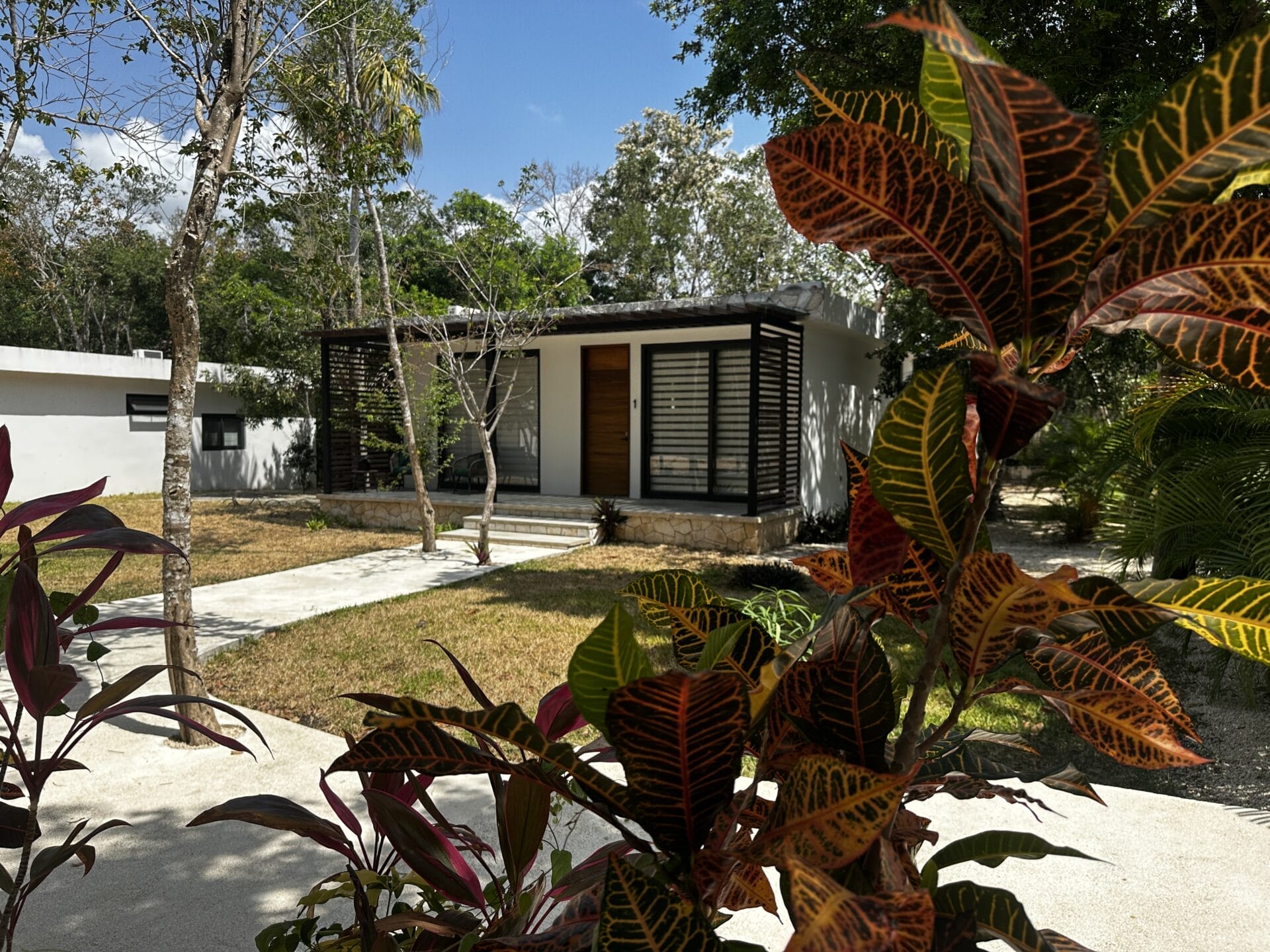
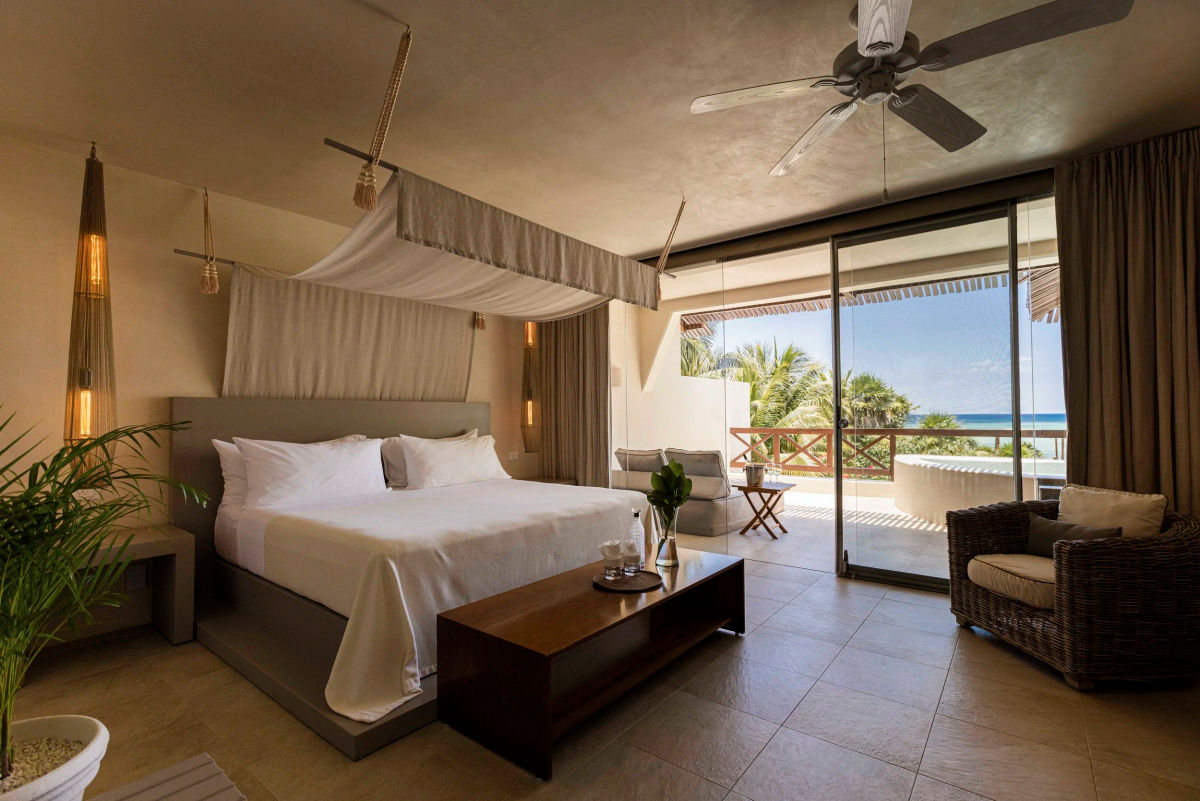
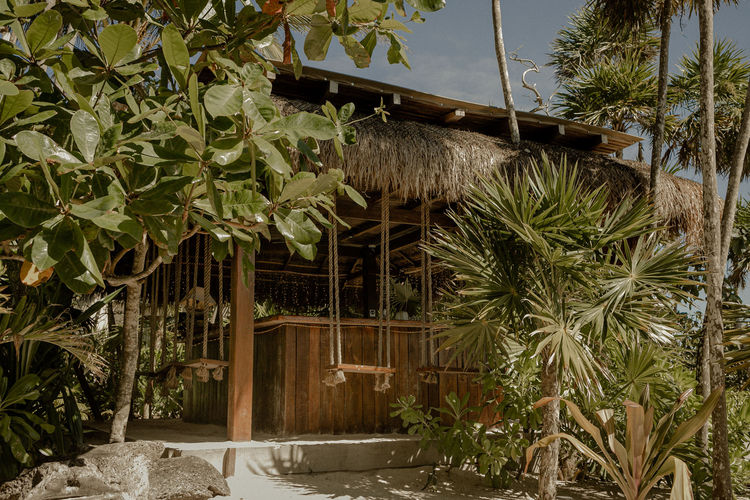
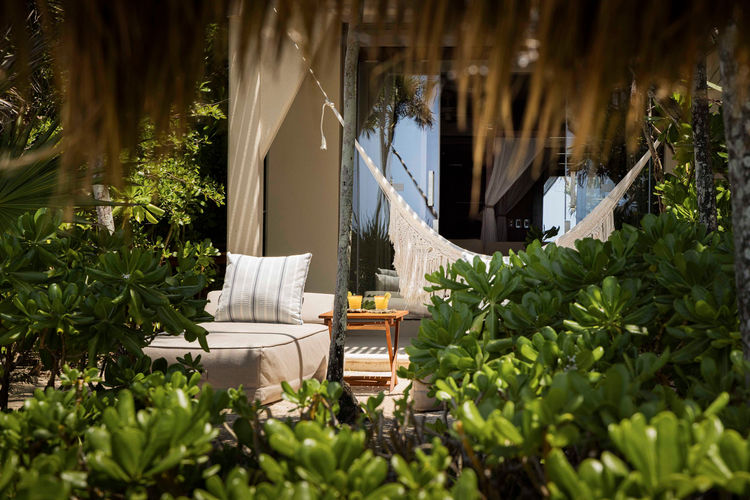
Jashita is described as having only 30 suites across two hectares of land, a scale that supports its emphasis on privacy. Its contemporary Mediterranean design blends with tropical materials such as stone, wood, and palapa, while panoramic Caribbean views remain central to the guest experience. The result is not a property built around spectacle, but one that leans on restraint, setting, and continuity.
Soliman Bay shapes the experience
Location is one of the hotel’s strongest assets. Jashita sits on Bahía Soliman, one of the most protected and quiet coastal areas near Tulum. The bay’s sheltered conditions are a defining part of the experience described in the base text. Protected by the world’s second-longest coral reef, the area offers warm, shallow water throughout the year, with calm conditions for kayaking, paddleboarding, and snorkeling.
That natural setting does more than provide recreation. It shapes the tone of the hotel itself. Guests are described as waking to pelicans in the morning and, during nesting season, encountering turtles laying eggs at night. Those details place the property at the intersection of luxury hospitality and ecological sensitivity, which is increasingly relevant in Tulum, where the balance between development and preservation remains central to the region’s future.
For local readers, this is where the story moves beyond hotel branding. A high-profile affiliation tied to a protected bay brings added visibility to a specific model of tourism, one that depends on environmental quality as much as design or service. What changes now is that Jashita’s setting on Soliman Bay may receive broader international attention through the Relais & Châteaux association, potentially drawing travelers who prioritize seclusion, reef-protected waters, and lower-density stays.
Wellness is part of the property’s identity
The hotel’s presentation places wellness at the center of the guest experience, not as an added feature but as a defining principle. According to the text provided, that focus is rooted in the property’s longstanding role as a sanctuary from outside pressures.
Today, that approach runs through multiple parts of the property, including indoor and outdoor spas, a gym, and an open-air yoga studio with ocean views. The outdoor CAOBA Spa is a focal point. Built entirely from local Caoba wood, it is described as a space where ocean sounds, bird calls, and sea breezes become part of the treatment environment. The hotel also says guests are welcomed there by “Mayan Medicine Women” and a Shaman, underscoring its effort to frame wellness as holistic and place-based.

This emphasis reflects a broader shift in luxury travel, where comfort alone is no longer presented as enough. The base text argues that travelers now seek restoration, stillness, and separation from an always-demanding society. Jashita’s pitch fits that pattern closely. But the local significance is sharper: for Tulum, wellness remains one of the region’s strongest tourism narratives, and properties that can connect that promise to protected natural surroundings stand out more clearly.
The Tulum Times has often tracked how hospitality projects in the area position themselves around nature, exclusivity, and experience. In Jashita’s case, those elements are not treated as separate offerings. They are bundled into a single message about retreat.

Food and service stay personal
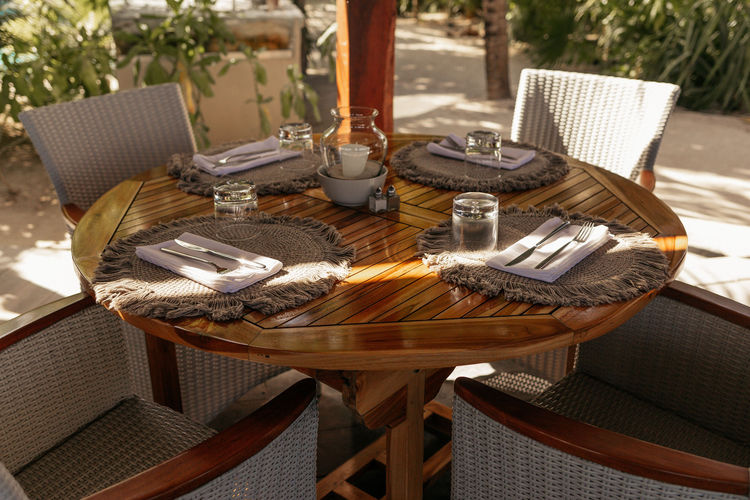
Dining is presented as another extension of the hotel’s intimate character. Jashita’s Pandano restaurant combines Mexican cuisine with Italian influences, reinforcing the property’s broader design and hospitality identity. The setting is described as candle-lit and beachfront, with a barefoot atmosphere that supports the hotel’s informal take on high-end hospitality.
Some of the strongest details in the base text are also the simplest. Guests may find beachfront paella being prepared on Sundays or fish tacos made from the latest catch. Those moments help explain the property’s appeal better than broader luxury language does. They suggest a hotel experience built around familiarity and repetition rather than constant novelty.
That matters for those who are directly affected by this development. Prospective guests are one group, especially travelers seeking quieter alternatives within the Tulum area. But the affiliation also affects the local hospitality ecosystem by adding another internationally legible name to a bay that has remained more discreet than many better-known beachfront zones. It may also influence how nearby properties position themselves, particularly those leaning on boutique scale, nature access, and personalized service.
Close to Tulum, apart from its pace
Seclusion is central to Jashita’s identity, but so is access. The hotel is located about 15 minutes north of Tulum town, allowing guests to reach the region’s most recognized attractions without staying in the middle of its busiest areas. The base text points to the Tulum archaeological site, cenotes, and the area’s dining scene as nearby draws.
That balance between isolation and proximity is one of the property’s strongest practical advantages. Travelers can withdraw from the pace of Tulum’s more active zones while remaining close enough to visit them easily. In a destination where crowding, noise, and rapid change have altered the experience in some areas, that balance carries real weight.
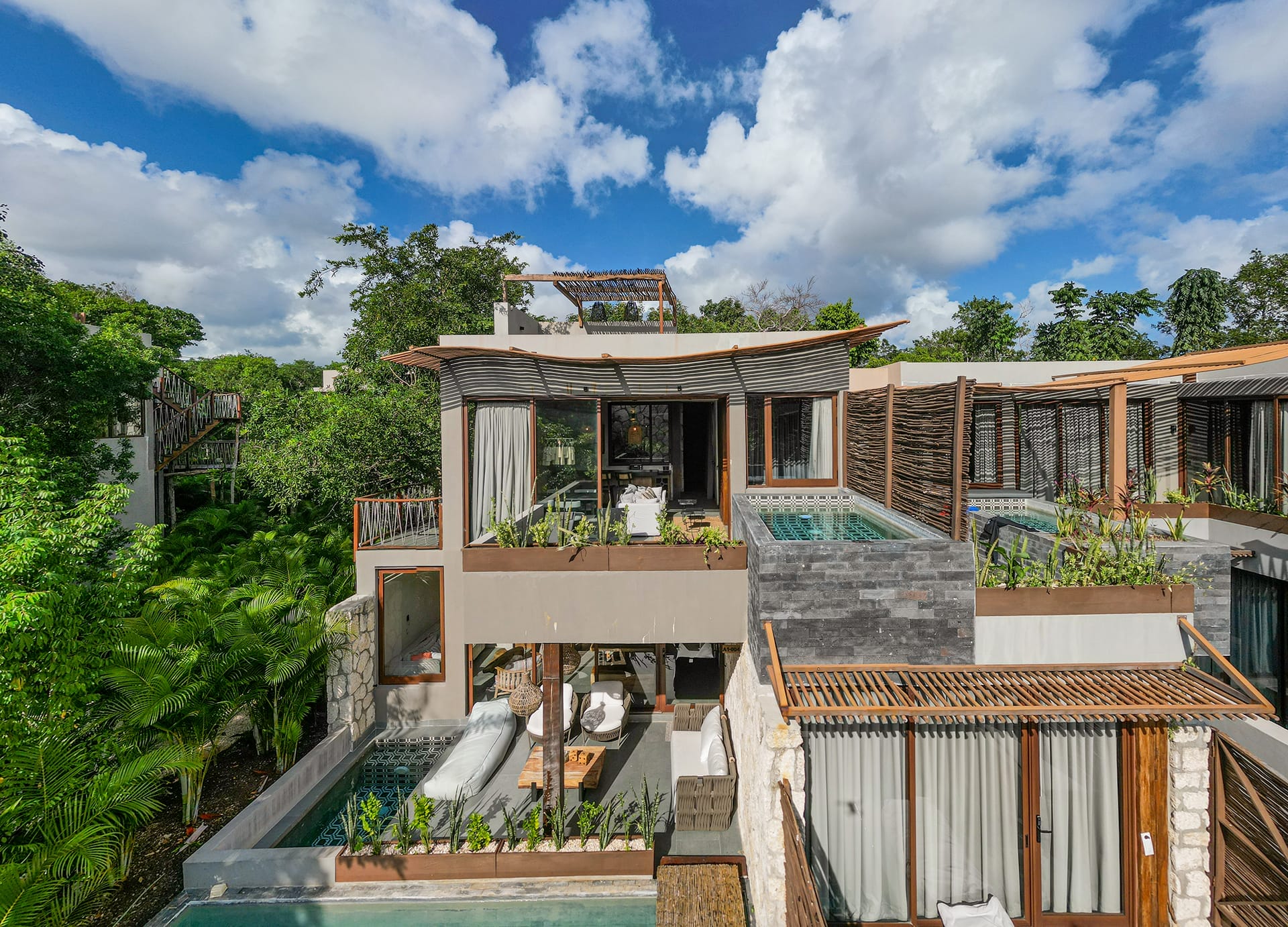
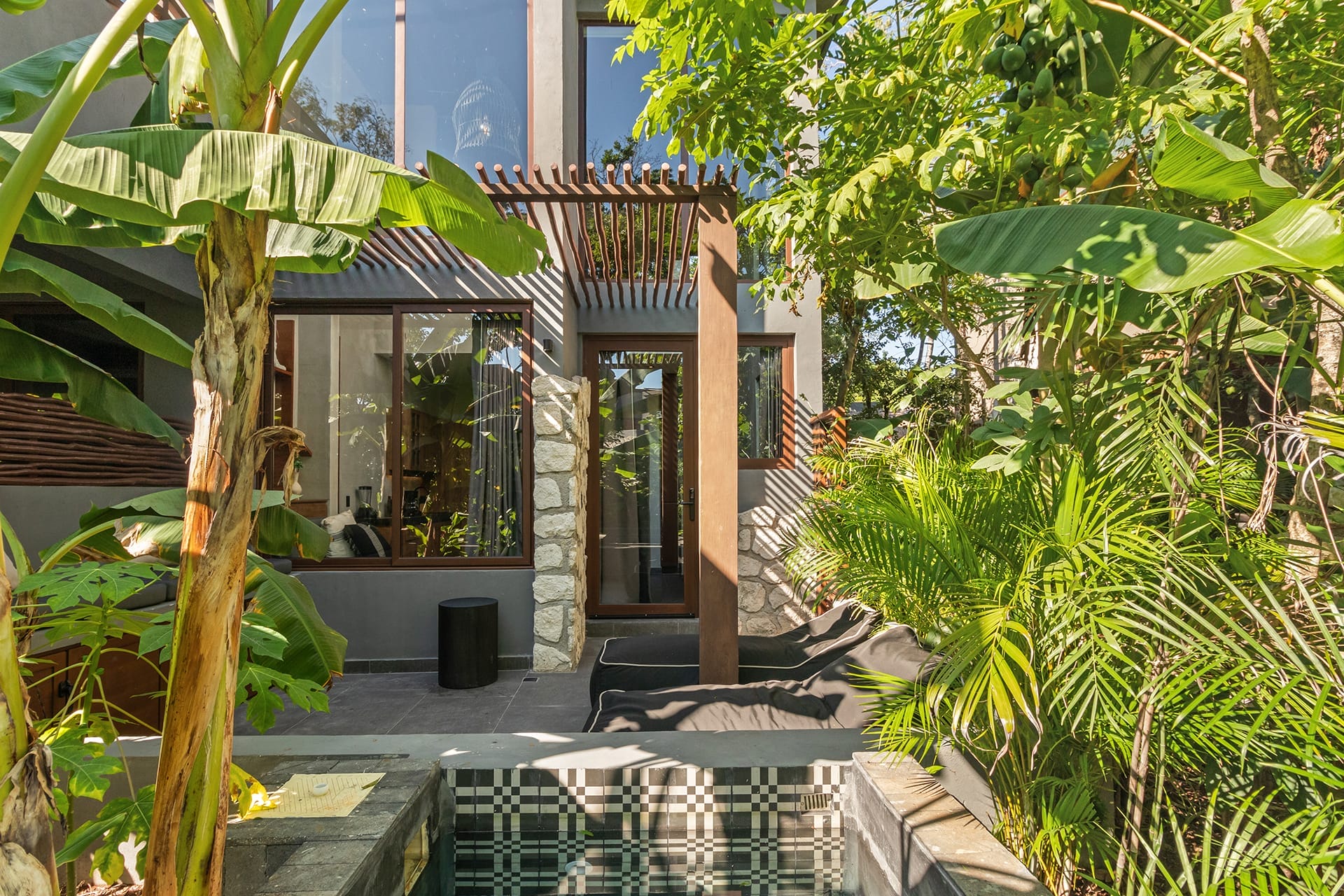
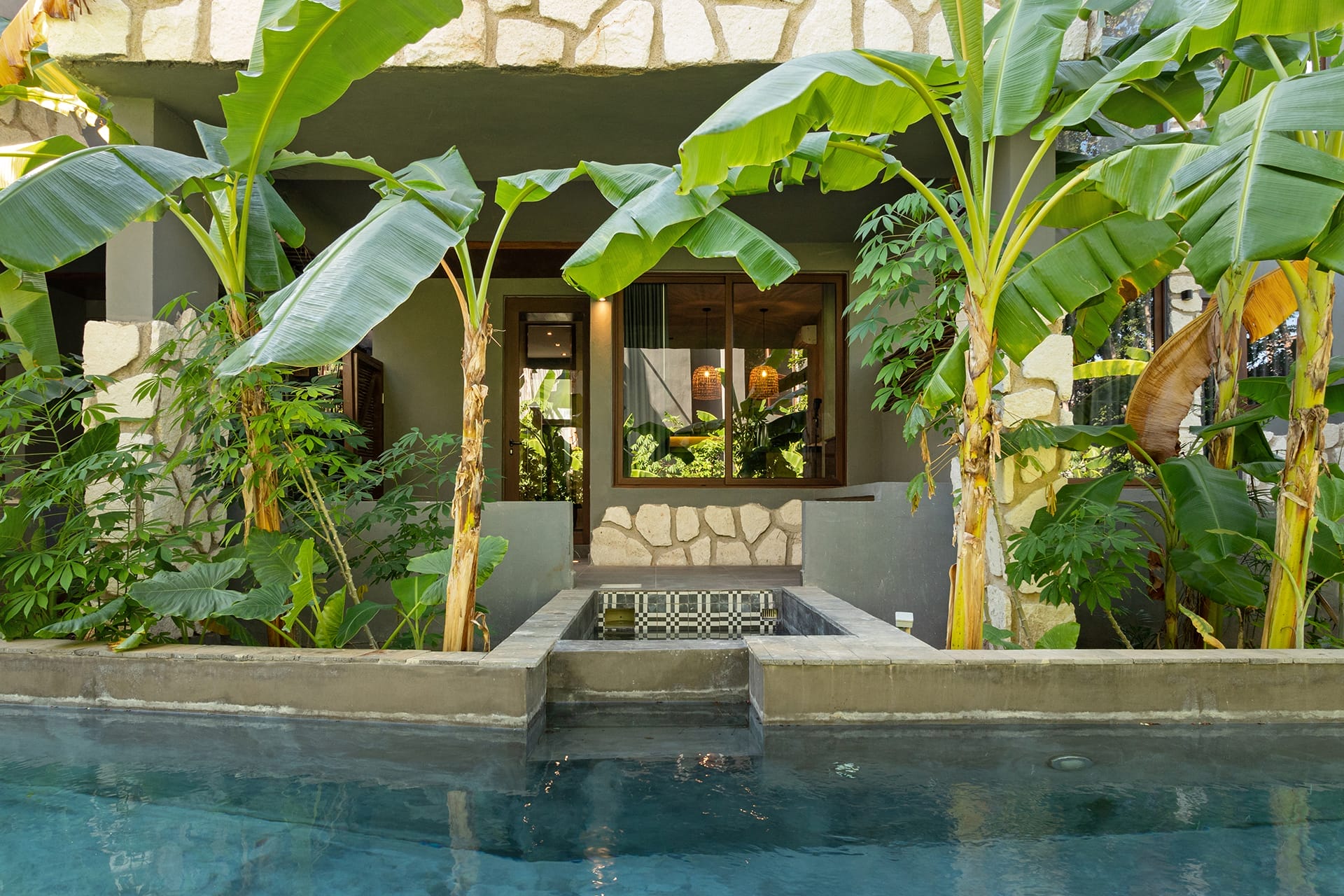
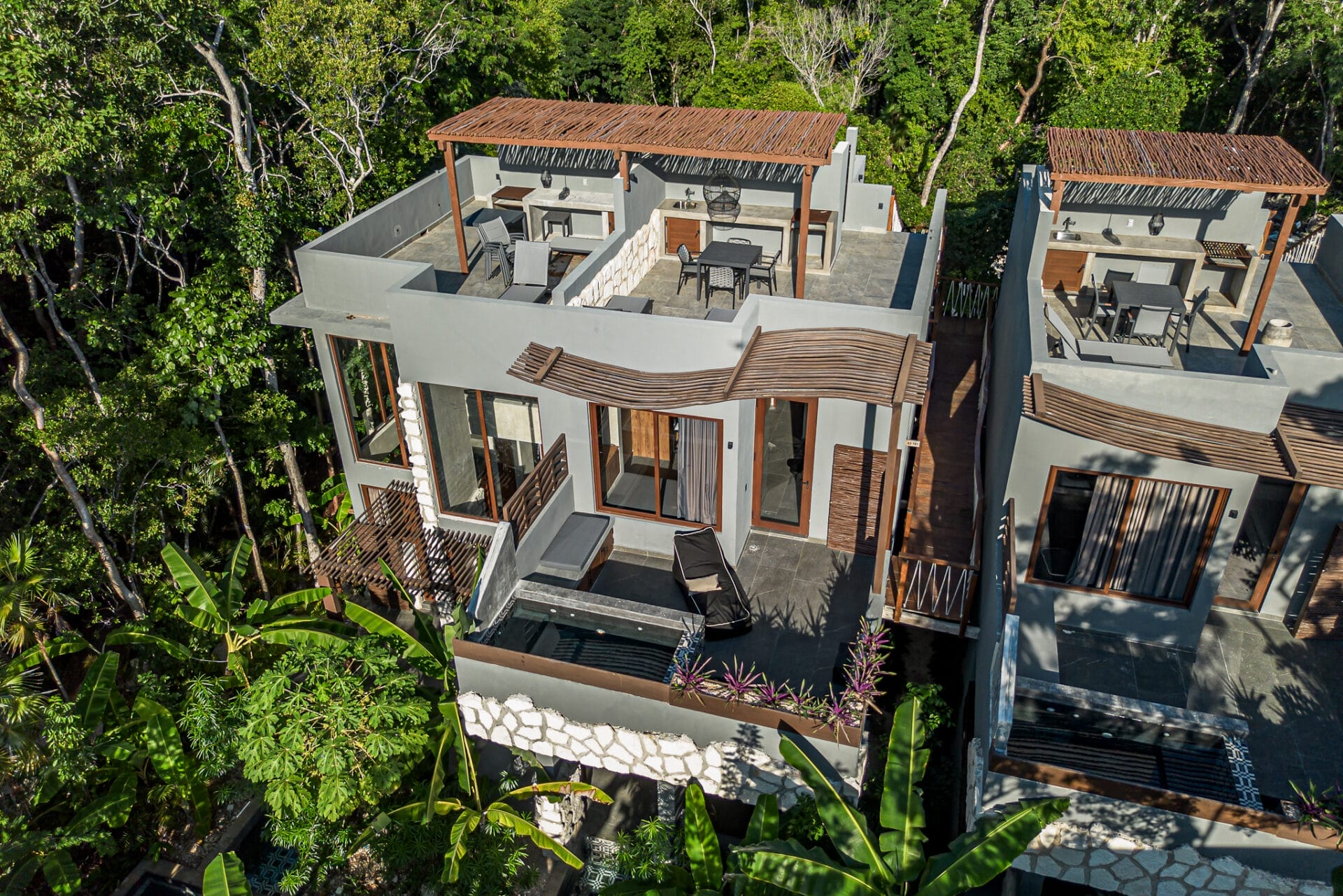
Beyond the beachfront hotel, Jashita is also highlighting a collection of five luxury interconnected villas in Aldea Zama, within the gated community of La Privada. Designed as a seamless extension of the hotel experience, the villas add a second accommodation option for larger groups seeking both privacy and flexibility while maintaining access to the property’s hospitality and amenities.
Three of the villas are configured as three-bedroom, three-bathroom residences that can be interconnected with one another. The remaining two are four-bedroom, six-bathroom villas linked by both a rooftop bridge and a ground-floor passage. Each villa includes a private pool, while stays also come with a dedicated concierge service, daily housekeeping, and a once-daily shuttle to and from Jashita Hotel.
The villa offering also points to what may come next. Jashita says it is developing an exclusive spa and co-working space dedicated to villa guests, expanding the brand’s presence beyond Soliman Bay while keeping the hotel experience connected across both settings.
What is at stake now is how this affiliation may reshape visibility for both the hotel and Soliman Bay. Jashita Hotel’s Relais & Châteaux affiliation gives international structure to a property that has long relied on intimacy, preservation, and attentive hospitality. For Tulum, it reinforces the value of places where protected nature and low-density tourism still define the stay. We’d love to hear your thoughts. Join the conversation on The Tulum Times’ social media. How should Tulum protect the kind of quiet coastal experience that gives properties like Jashita Hotel their appeal?