

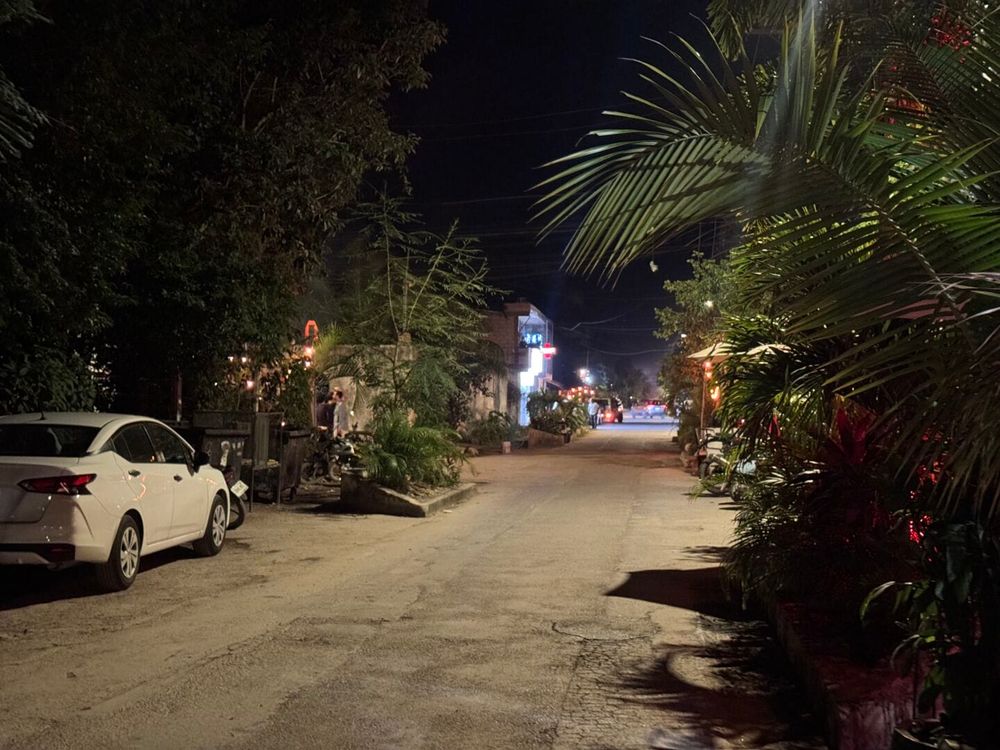
Residents and business owners in La Veleta have raised renewed concerns over the recurrent organization of late-night events in the neighborhood, alleging that several establishments operate outside municipal regulations and are affecting daily life, public order, and the area’s standing as a residential and tourism zone.
According to multiple testimonies, parties and music-driven events are being held regularly at different venues in La Veleta, often extending well beyond permitted operating hours. Neighbors report that amplified music continues into the early morning, exceeding legally established noise limits and creating what they describe as a persistent problem of noise pollution.
Residents say the situation has become routine rather than exceptional, disrupting sleep, family life, and basic coexistence. Several local business owners who operate within the rules argue that the lack of enforcement places them at a disadvantage while encouraging practices that undermine compliance across the area.
Complaints point to noise and repeated schedule violations
Accounts collected from residents describe events that start as private gatherings or themed parties but evolve into large-scale celebrations with DJs and sound systems comparable to nightclubs. These activities, neighbors say, regularly ignore closing times mandated by municipal regulations.
The result, according to those affected, is a soundscape that clashes with the neighborhood’s largely residential character. Families report interrupted rest, while long-term residents say the ongoing disturbances have altered their perception of daily life in the area.
Business owners who comply with noise and schedule restrictions argue that uneven enforcement creates an environment where following the rules becomes economically disadvantageous. They maintain that establishments operating without consequences attract crowds precisely because of their permissive approach, drawing activity away from regulated venues.

Concerns extend beyond noise to public behavior
One of the most serious issues raised by residents involves conduct associated with some of these events. Neighbors report witnessing attendees urinating in public spaces, including streets and sidewalks, once parties conclude or during peak hours.
In addition, residents say garbage often accumulates after events end, with bottles, food waste, and other debris left behind in public areas. According to the complaints, event organizers frequently fail to arrange proper cleanup, leaving residents to deal with the aftermath.
These conditions, neighbors warn, generate unpleasant odors, visual deterioration, and potential sanitary risks. Some residents have expressed concern that the accumulation of waste and bodily fluids could also pose environmental risks, particularly during periods of rain.
Image and economic effects worry local businesses
Beyond quality-of-life impacts, local entrepreneurs argue that the situation threatens the reputation of La Veleta itself. The neighborhood has developed an identity that combines residential use with tourism-oriented lodging and small businesses, an equilibrium that business owners say is now under strain.
Several entrepreneurs stated that visitors who experience excessive noise, disorderly behavior, or unclean streets may associate those conditions with the neighborhood as a whole. Over time, they warn, this perception could reduce the area’s appeal to both visitors seeking accommodation and residents looking for long-term housing.
There is also concern that unchecked practices encourage speculative or short-term business models focused on high-volume events rather than sustainable operations aligned with zoning and community standards.
Questions raised about municipal oversight
Residents and business owners alike have questioned the level of oversight exercised by municipal authorities. They describe what they perceive as limited inspections and a lack of consistent follow-up, even in cases where complaints have reportedly been filed.
According to neighbors, some establishments appear to operate repeatedly outside the rules without facing meaningful sanctions. This has fueled perceptions of permissiveness and contributed to frustration among those who say they have complied with reporting channels without seeing results.
While residents acknowledge the importance of nightlife and tourism to the local economy, they argue that regulation exists precisely to balance commercial activity with residents’ rights.
Calls for enforcement and clearer controls
In response to the ongoing situation, residents and business owners have formally called on municipal authorities to strengthen inspection operations, verify compliance with noise limits and operating hours, and apply sanctions as provided by law.
They have also suggested the need for clearer and more consistent controls that allow economic activity to coexist with residential life. Some residents argue that predictable enforcement would benefit both compliant businesses and the broader community by restoring a sense of order.
A subtle but recurring reflection among those affected is that regulation, when applied evenly, can support long-term economic stability rather than hinder it. Without it, they warn, short-term gains for a few operators could produce broader losses for the neighborhood.
What residents say is at stake for La Veleta
Residents and entrepreneurs caution that if the issue remains unaddressed, La Veleta risks losing the balance that has defined its development. They warn that continued disturbances could push families and long-term residents away, while also diminishing the area’s tourism appeal.
The concern, they say, is not opposition to events or commerce, but the absence of boundaries. As complaints continue, the future of La Veleta increasingly hinges on whether authorities can enforce existing rules in a way that protects both economic activity and quality of life.
We’d love to hear your thoughts. Join the conversation on The Tulum Times’ social media.
How should La Veleta balance nightlife activity with residents’ right to a livable environment?