

Launched in 2010, Maya Ka’an was originally promoted as an eco-tourism and cultural immersion initiative. It spans more than 900,000 hectares across the southeastern region of Quintana Roo, connecting remote Mayan villages with the rapidly expanding tourism circuit stretching from Cancún to Bacalar. The idea? Offer visitors a “real” experience of Mayan traditions, rituals, cuisine, crafts, and oral history, wrapped in the promise of sustainable travel.
But many residents in José María Morelos, a largely indigenous municipality, say something was lost in translation.
“We never gave consent for our names, stories, or sacred knowledge to be used like this,” said one local elder, whose town is now featured prominently in promotional materials. His words hang heavy, though not yet in official transcripts. The community’s demand is clear: respect our culture, and ask before you take.
Ownership, identity, and profit
In 2022, Maya Ka’an underwent formalization, streamlining brand protection, tourism logistics, and intellectual property filings. But according to several community representatives, that process left them out entirely. They argue it lacked the basic principle of free, prior, and informed consent, a cornerstone of indigenous rights under both Mexican law and international agreements.
To the residents of José María Morelos, this isn’t just about image rights or tourist brochures. It’s about being stripped of agency.
The brand “Maya Ka’an” is now registered and protected. Yet the knowledge, ceremonies, symbols, and oral traditions that feed its appeal remain unprotected in practice. Community leaders claim that the state’s stewardship of the brand has prioritized economic development over cultural integrity, sidelining the very people whose heritage forms its foundation.
It’s not just about being left out of the profits, it’s about watching your ancestors’ wisdom turned into a sales pitch.

A quiet resistance with global resonance
The struggle of these Quintana Roo communities echoes similar cases around the world. From the Māori in New Zealand to the Sámi in Scandinavia, indigenous peoples have long fought for control over how their heritage is represented, and profited from.
But what makes this case unique is its timing and location.
In the heart of the Yucatán Peninsula, as tourism booms and the Tren Maya project promises even deeper access to once-remote communities, the pressure to commodify culture has intensified. What was once shared around fires under starlit skies now appears in marketing decks and Instagram reels, often without credit or compensation.
As The Tulum Times has previously reported, the line between “celebrating” culture and “selling” it gets blurrier each year. And while the Riviera Maya continues to lure millions with its mix of beach glamour and mystical heritage, the voices behind the stories are asking to be heard, and respected.
Consent isn’t optional; it’s the law
Mexican law includes explicit protections for the cultural heritage of indigenous peoples. The General Law on Cultural Rights and the international commitments under ILO Convention 169 require consultation and participation before any commercial use of traditional knowledge.
So why, critics ask, was that skipped in Maya Ka’an?
State tourism officials have remained relatively quiet. In previous press materials, they have celebrated the project’s success as an example of “inclusive development.” But the communities say inclusion must be more than a photo op.
This complaint, filed with the country’s top copyright authority, demands more than recognition. It calls for a halt to all unauthorized use of Mayan cultural expressions within the Maya Ka’an project, and for future negotiations to include indigenous custodians as full participants, not symbolic stakeholders.
What it feels like to be left out
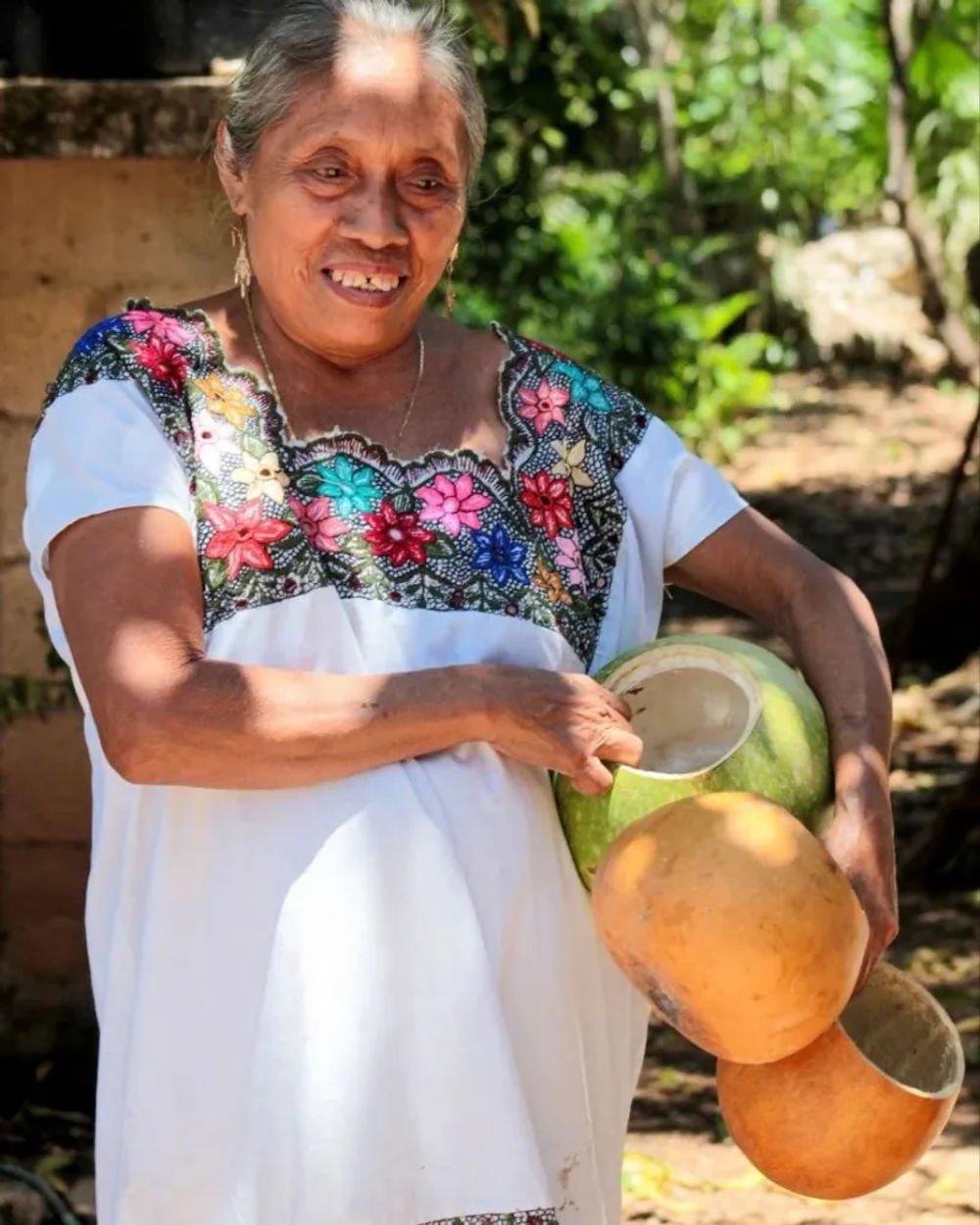
In a small village off the main road in José María Morelos, a group of artisans gathers beneath a palapa roof. Their crafts, woven hammocks, seed jewelry, embroidered huipiles, have long been sold to tourists, often through intermediaries. Few have ever been invited to official meetings with tourism developers.
“When they use the word ‘Maya,’ they mean us,” says a woman in her 40s, her hands still busy knotting bright threads. “But they don’t come here. They just take the name.”
It’s a quiet resistance, built on generations of knowledge. And it’s not just about the past, it’s about protecting what remains for the future.

From complaint to accountability
The copyright complaint may take months to review, but it marks a critical turning point. If upheld, it could require tourism projects across Mexico to reevaluate how they involve indigenous communities from the start, not as decoration, but as decision-makers.
Some legal experts see this as a test case. Others worry that without political will, it will fall into the bureaucratic void. But in José María Morelos, patience runs deep. So does memory.
The communities aren’t asking for charity. They’re asking for dignity and a seat at the table.
Not just a local issue, but a national one
The story of Maya Ka’an might seem remote to tourists planning their next trip to Tulum, Cancún, or Playa del Carmen. But it reflects a deeper pattern within Mexico’s tourism industry: the push to grow fast, brand hard, and cash in on cultural authenticity, sometimes at the cost of those who live it every day.
As visitors walk ancient trails and eat meals prepared with ancestral techniques, the question lingers: who really benefits? And who decides what gets preserved?
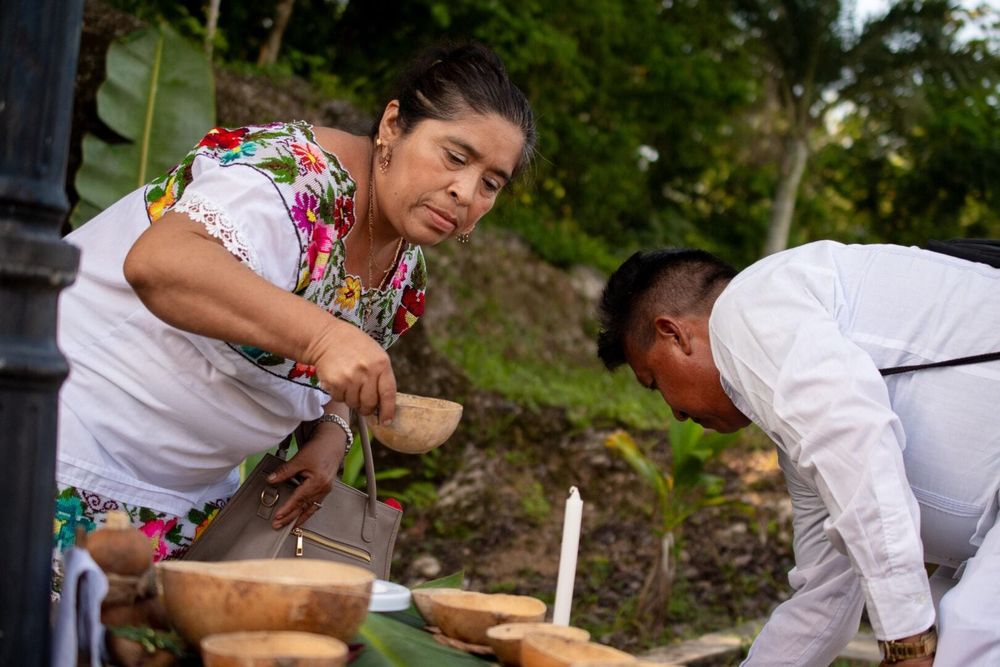
Cultural heritage isn’t a free souvenir
This case isn’t just about copyrights or brand names. It’s about a worldview, one where traditions aren’t property, but living practices passed down with care and ceremony.
The elders of José María Morelos are trying to safeguard something deeper than image rights. They’re protecting the soul of a people.
And in doing so, they remind us that culture isn’t content. It’s a connection.
What’s at stake, and what’s still possible
If the complaint succeeds, it could reshape how tourism operates in Quintana Roo and beyond. It might finally force developers to move beyond token consultation and toward genuine collaboration.
But if it fails, it risks confirming what many already fear: that heritage, like land, can be taken without permission.
We’d love to hear your thoughts. Join the conversation on The Tulum Times’ social media.
Will Quintana Roo be a leader in ethical tourism, or a cautionary tale?