
Can tourism transform not just a destination, but the lives of those who call it home?
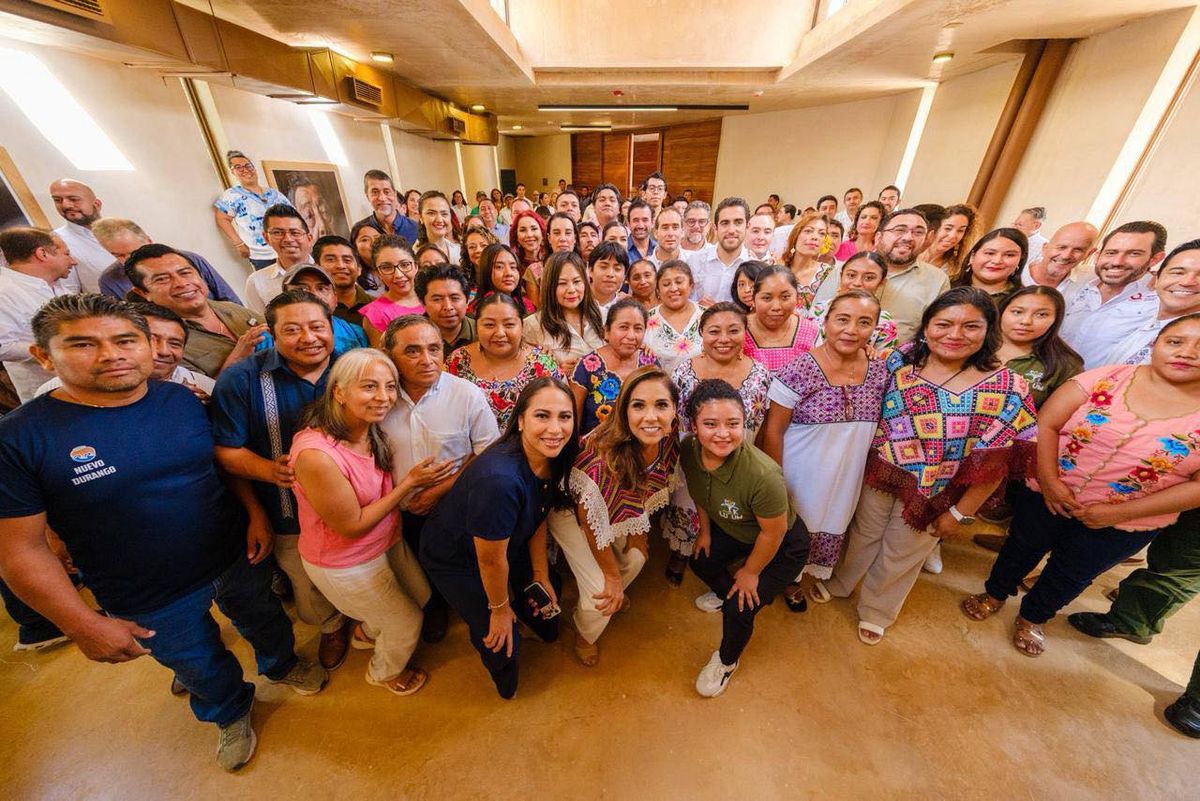
That question echoed through the halls of the Community Tourism Forum held recently in Tulum, part of the Legislative Pact for National Tourism and spearheaded by Mexico’s Senate Tourism Commission. The event, chaired by Senator Eugenio Segura, brought together voices often sidelined in tourism debates: Indigenous leaders, community advocates, and local entrepreneurs, all with a stake in the future of Quintana Roo.
This was no mere photo-op. It was the second in a triad of forums scheduled for the year’s final quarter, aimed at rewriting Mexico’s tourism legislation with real input from the people most affected by it.
A national agenda with local roots
Governor Mara Lezama Espinosa set the tone with a pointed reminder: tourism in Mexico cannot rely solely on glossy brochures and beachfront resorts. “Maya Ka’an is an example of successful tourism, with more than 100 experiences that reflect the cultural richness of Quintana Roo,” she told attendees. The model connects 76 Mayan communities across Felipe Carrillo Puerto, José María Morelos, and Tulum, and has already welcomed over a million visitors.
Behind those numbers lies a quietly revolutionary idea: that tourism should not just extract value from a place, but share it. The Maya Ka’an initiative invites visitors to experience traditional practices, artisan workshops, and forest treks led by locals. It’s tourism that listens.
And now, it’s influencing national policy.
Lezama also unveiled a first-of-its-kind Tourism Management Plan, anchored by the Tourism Master Plan 2030. It aims to enshrine sustainability and community oversight into the very framework of how tourism is developed and managed in Mexico.

Community tourism, national policy
Secretary of Tourism Josefina Rodríguez Zamora reinforced that this model reflects the vision of President Claudia Sheinbaum’s administration: a country where tourism is not only profitable but people-driven. “It’s about valuing what we already have, our people, our traditions, our stories,” she said.
This isn’t just rhetoric. Quintana Roo is the first Mexican state to pass a Community Tourism Law. SECTUR is backing it up with training and long-term support for communities eager to move beyond dependency on tour operators or foreign investors.
The presence of local leaders at the Tulum forum sent a message: the era of top-down tourism is fading. And perhaps nowhere is that shift more visible than in Maya Ka’an, where over a hundred curated experiences have become both a cultural lifeline and a viable business model.

A forum of uncommon unity
Seated at the table were names that don’t often share stages: state tourism secretary Bernardo Cueto Riestra, federal deputy Enrique Vázquez, Tulum Hotel Association president David Ortiz Mena, and Roman Caamal, head of the Peninsula Alliance for Community Tourism.
It’s not every day you see hotel executives and Mayan leaders in alignment. But this forum did just that. The consensus was clear: for tourism to remain an engine of social and economic development in Mexico, collaboration across sectors is no longer optional, it’s urgent.
“There’s a shared responsibility here,” said Ortiz Mena in an aside overheard during a panel break. “The future of tourism in Tulum depends on everyone having a seat at the table.”
A quiet shift with big implications
Tulum has long been a poster child for the double-edged sword of tourism. Beachfront developments have boomed, but often at the cost of local communities and fragile ecosystems. That context makes the rise of community tourism feel more like a correction than a trend.
Compared to Cancún’s all-inclusive sprawl or Playa del Carmen’s rapid commercialization, Maya Ka’an offers an alternate vision: one built from within. The contrast is stark, and increasingly, other regions are paying attention.
There’s a subtle but unmistakable shift happening. When legislation is informed by communities, when economic models are rooted in fairness, and when development aligns with local culture instead of bulldozing it, something rare emerges: trust.
And with trust comes sustainability, not just environmental, but social.

The stakes ahead
While the forum in Tulum marked progress, many questions remain. Will the proposed legislative reforms actually pass? Can national policies keep pace with the rapidly changing tourism landscape? Will investors and developers respect the new rules of engagement?
For now, one thing is certain: the Maya Ka’an model has planted a flag.
As the forums continue and the 2030 Master Plan moves into implementation, the rest of Mexico, and perhaps even the world, will be watching.
Because what’s unfolding in Quintana Roo isn’t just about tourism. It’s about who gets to tell the story of a place, and who benefits from it.
We’d love to hear your thoughts. Join the conversation on The Tulum Times’ social media.
What do you think community-led tourism should look like in your region?