

The Maya Train doesn’t scream luxury. It whispers transformation.
Gone are the days of enduring traffic jams from Cancún or navigating endless shuttle transfers. With scheduled routes and set frequencies, travelers from across the region now have a direct line to one of Mexico’s most iconic destinations. The journey from Cancún Airport to Tulum takes just about 1 hour and 45 minutes, leaving at 9:00 a.m. and rolling in around 10:45 a.m.
From Chetumal, the train departs at 4:30 p.m. and reaches Tulum shortly after 5:40 p.m. That’s right, less than 70 minutes from the state’s southern tip to the Riviera Maya’s bohemian crown.
And while timing is always subject to adjustment, the structure is clear: Tulum is no longer remote.
Instead, it’s in reach.
From Tracks to Temples
There’s something poetic about a train station built to honor the civilization whose name it bears.
The Tulum station stretches across 81,000 square meters, constructed with steel, concrete, and regionally sourced finishes like chukum resin and wood. But it’s not just about aesthetics. Designed for airflow and bathed in natural light, the space offers cool relief in the tropical heat, no small feat in Quintana Roo.
More than just a terminal, it’s a threshold. From here, a direct link leads travelers to the Parque Nacional del Jaguar, a new protected area just 1.5 kilometers from the ancient Tulum ruins. Nature, history, and infrastructure intersect.
It’s not only an arrival point, it’s an invitation.

The Human Side of Progress
Let’s be honest: massive infrastructure projects in Mexico often stir controversy. Delays. Environmental questions. Political noise.
But in Tulum, locals like Ana María, a small eco-hostel owner near the national park, see the change differently.
“This train might just keep us afloat,” she says, adjusting hammocks in her shaded courtyard. “Guests can finally reach us without hours on the road.”
For many small business owners in the region, the station isn’t just a terminal. It’s a lifeline.
And while concerns about overdevelopment still hum in the background, rightly so, the train also offers a chance to decentralize tourism from oversaturated zones like Cancún and Playa del Carmen.
If done right, it could help spread the load. If not, it risks repeating the same mistakes on new tracks.
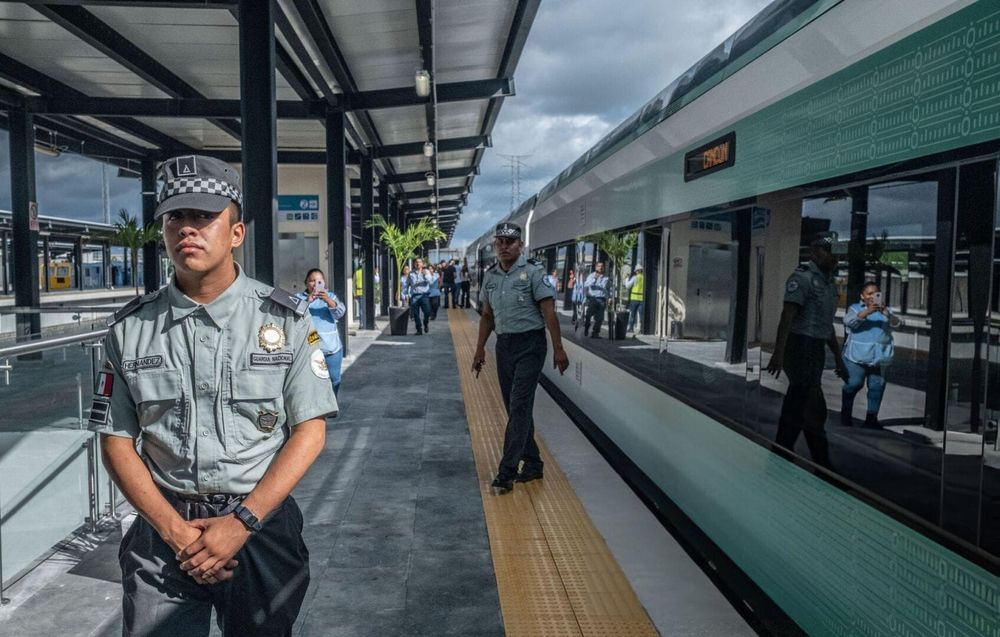
Not Just a Ride, A Window
Inside the train, wide crystal windows frame an unfolding landscape of jungle and sun-bleached stone. The carriages hum with air conditioning and quiet conversation. Some passengers scroll through their phones. Others just stare out at the Yucatán brush flying by.
It’s not a bullet train. It doesn’t need to be.
The journey becomes part of the destination. And for visitors unfamiliar with the peninsula’s rich layers, Maya cities, cenotes, cloud forests, the route itself offers context, not just passage.
From Playa del Carmen to Valladolid. From Chichén Itzá to Bacalar’s luminous lagoon. This is the thread that connects it all.
A New Heartline for Mexico Tourism
The Maya Train isn’t merely a convenience, it’s a bet on the future of Mexican tourism.
And like all big bets, there are risks. Will it truly help the communities along its path? Can it operate sustainably in the long term? Or will it become just another piece of broken infrastructure?
For now, what’s clear is this: Quintana Roo is no longer a place you drive through. It’s one you arrive in.
As The Tulum Times continues tracking the impact of the Maya Train, locals and travelers alike are redefining what it means to explore the region. With access comes opportunity, and responsibility.
The train might make things faster. But the real question is whether it can make things better.
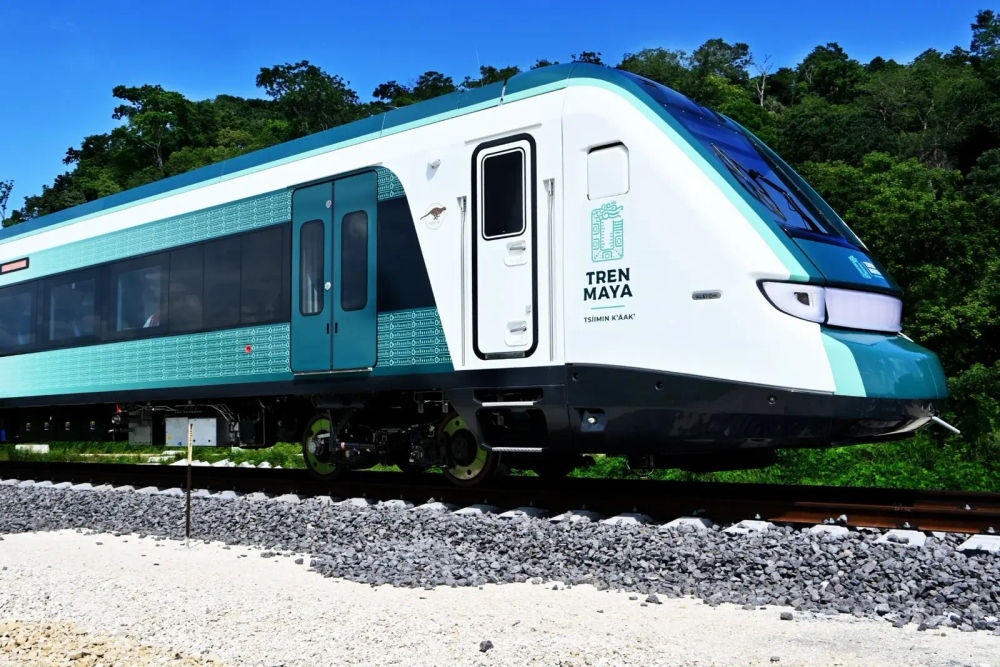
What’s Next for the Maya Train and Tulum?
The journey is still unfolding.
Tulum’s terminal, stylish and sunlit, now stands as a tangible symbol of change. For tourists, it’s easier access to turquoise beaches and millennia-old ruins. For residents, it’s more than just movement, it’s momentum.
The question that lingers is whether this new mobility can harmonize with the soul of the place. Whether a station built of chukum and glass can honor a land built on limestone and memory.
Time will tell.
We’d love to hear your thoughts. Join the conversation on The Tulum Times’ social media.
What do you think, will the Maya Train reshape the future of Riviera Maya travel, or is this just the beginning of a more complex ride?