
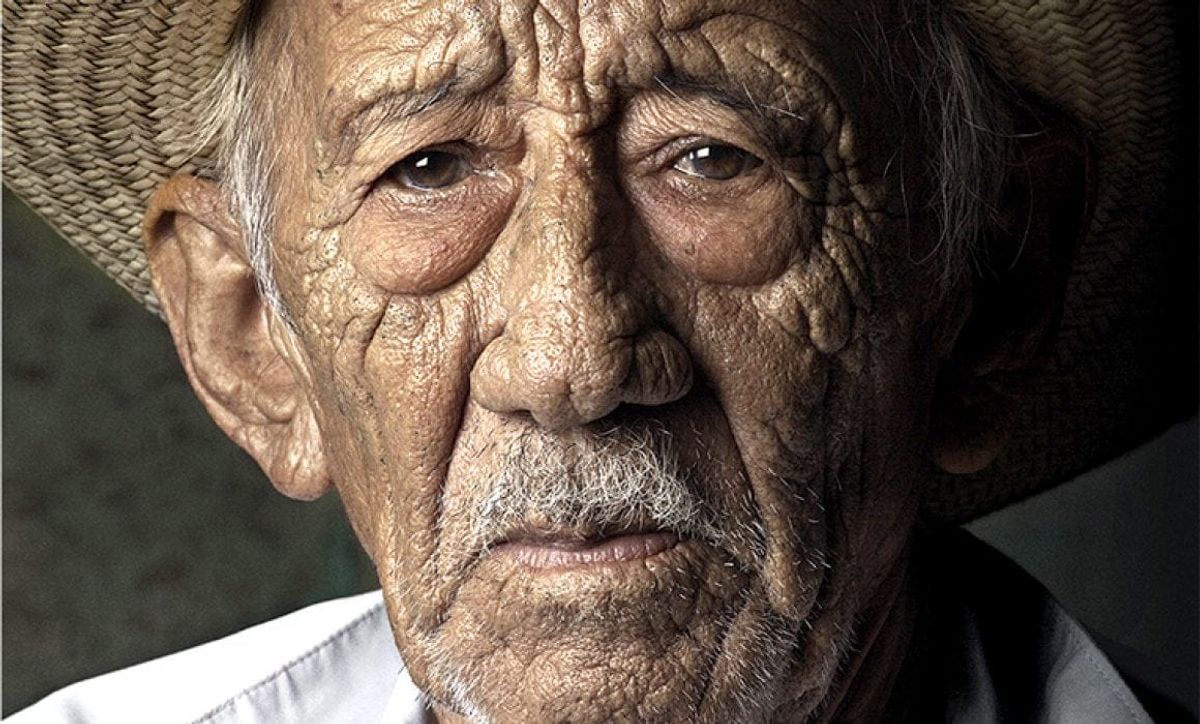
They’re called the last witnesses. Not because they held rifles or fought on the front lines, but because they carry the stories in their blood. On July 30, a new photography exhibition titled The Last Witnesses of the Caste War opens at the Regional Museum of the Eastern Coast, inside the archaeological zone of Tulum. And with it, a window into a chapter of Mexican history that refuses to stay buried.
This powerful exhibition, led by acclaimed photographer Serge Barbeau, brings to light a history too often overlooked, the Caste War of Yucatán. This was no mere skirmish. It was a profound indigenous rebellion that erupted in 1847 and lasted decades. Now, through intimate portraits and raw testimonies, Barbeau captures what textbooks never could: the memory that lives in the bones, gestures, and voices of the descendants.
A Collaboration Rooted in Memory and Identity
The exhibition is more than a display of art. It’s a collective act of cultural recovery. Organized by Fundación Zamna, the Regional Museum of the Eastern Coast (MURECO), and local community collectives like Tulum, Lugar de Amaneceres, Hola Tulum, and Comunicación, the initiative brings together institutions and grassroots voices with a shared purpose, to protect living memory from being erased.
These are not just photographs. They are living testaments. Each image captures the dignity and deep-rooted resilience of the Maya people, echoing the resistance that once shook an empire. The portraits are often accompanied by testimonies from descendants of those who lived through the Caste War. Their stories unfold not in grand speeches, but in quiet truths, sometimes told with a smile, sometimes with eyes that look far beyond the present.
The Power Behind the Portraits
Serge Barbeau doesn’t aim to romanticize suffering. His work seeks something deeper: recognition. Through his lens, faces worn by time reflect strength, memory, and the unwavering pride of those who survived, not just a war, but decades of silence.
These stories weren’t told in history books. They were whispered in kitchens, passed around altars, and remembered in rituals. And now, they are here for everyone to see.
Local businesses and organizations have come together to support the exhibition, each one recognizing the cultural responsibility of bringing history to light. From Casa Tortuga Cenotes and LAN & GOM Abogados to Eurodental, TRES Tulum, Exebra Estudio, Target, and Legacy Security, their backing makes this exhibition not only possible but grounded in community.
When and Where to Visit the Exhibit
The exhibition opens to the public on July 30 at the Regional Museum of the Eastern Coast, located within the Tulum archaeological zone. Entrance on opening day will be free, welcoming both locals and travelers to step into a story that continues to shape the region’s identity.
In a place known for turquoise waters and ancient ruins, this exhibit offers something different. It invites you to witness not just the past, but the living presence of that past, etched into faces, spoken in Mayan tongues, remembered in silence.
Why It Matters Today
The Caste War is often spoken of in the past tense. But for the Maya communities of the Yucatán Peninsula, its echoes are present every day, in language, in land rights, in cultural practices passed from grandparents to grandchildren. This exhibition doesn’t just honor resistance. It asks visitors to reckon with it.
As tourism continues to grow in Tulum, cultural spaces like this one become essential. They offer more than a photo op, they offer context. Reflection. A chance to see the land not only as paradise, but as a place forged by struggle, survival, and resilience.
A Living Tribute to Collective Memory
As this visual journey into Maya memory comes to a close, one face remains impossible to ignore: that of Don Abundio Yam, whose portrait also serves as the cover image of this article. Widely regarded as one of the last great spiritual leaders of the Cruz Parlante movement, Don Abundio was not merely a witness to history, he embodied it. A native of Chan Santa Cruz, now known as Felipe Carrillo Puerto, he stood as a living bridge between centuries of resistance and the sacred traditions that survived it. His gaze, calm, yet piercing, carries the weight of jungle paths, ancestral rituals, and a people who still hear the echo of the speaking cross. That it is his face welcoming the reader at the top of this story is no coincidence. It is an act of reverence and an invitation to finally listen to history from the other side.
The organizers extend an open invitation to all. Come, they say, and bear witness. Not to a spectacle, but to a shared legacy. Because history isn’t just about what happened. It’s about what we choose to remember, and who we choose to listen to.
In the end, The Last Witnesses of the Caste War is not about the past. It’s about the people who carry it forward.
Want to experience this living history? Visit the Regional Museum of the Eastern Coast starting July 30. And follow The Tulum Times for more cultural coverage from the heart of the Riviera Maya.