
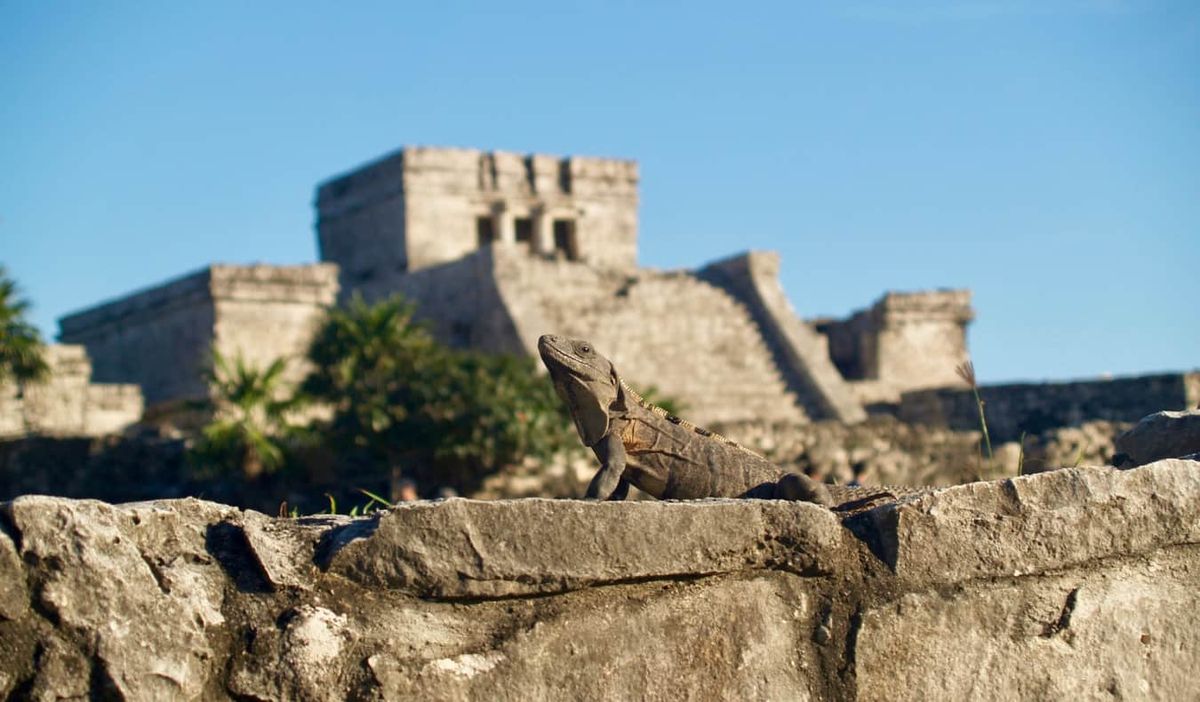
The sun drapes itself over Tulum like a molten coin, casting long shadows over limestone temples and restless palms. The July heat doesn’t just scorch, it reveals. Hidden beneath the tourist tide is a new kind of story. Not told in headlines, but in footsteps. Not written in ink, but carved into stone.
What’s happening in Mexico’s archaeological heartland isn’t just preservation. Its resurgence.
Quintana Roo: Where Ancient Stones Draw Modern Crowds
A Surge in Visitors Signals More Than Curiosity
Zoom in, and the numbers begin to hum with meaning. Between January and July, over 1.2 million travelers made their way to the ancient cities of Quintana Roo, accounting for 21.8% of all archaeological tourism in Mexico. That’s not a trend. That’s a tectonic shift.
In an age where travelers scroll faster than they walk, what makes someone trade a beach lounger for a stairway of crumbling stone? The answer lies somewhere between cultural thirst and the whisper of civilizations that refuse to fade.
Tulum: Still the Undisputed Icon
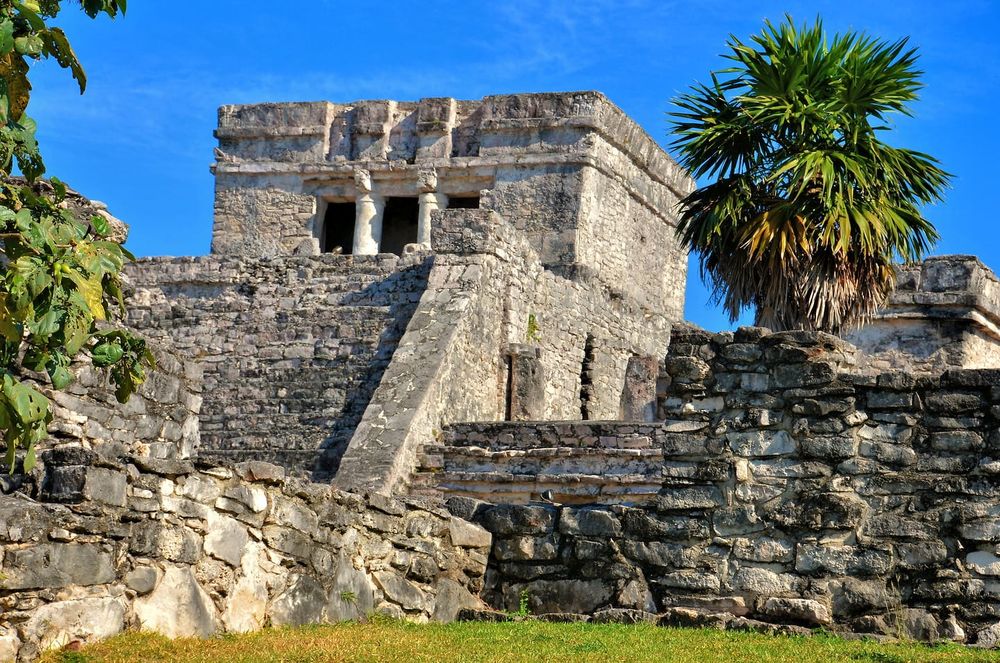
At the epicenter is, unsurprisingly, Tulum. Majestic and wind-swept on its Caribbean cliffside perch, it welcomed 692,946 visitors in just seven months, nearly 12.5% of the country’s total archaeological foot traffic. Tulum isn’t just a destination. It’s a cultural stronghold in flip-flops.
But it’s not alone in commanding global attention.
The Supporting Cast of Ancient Wonders
- Chacchoben, tucked in the jungle’s green hush, saw 152,143 visitors, earning it seventh place nationally.
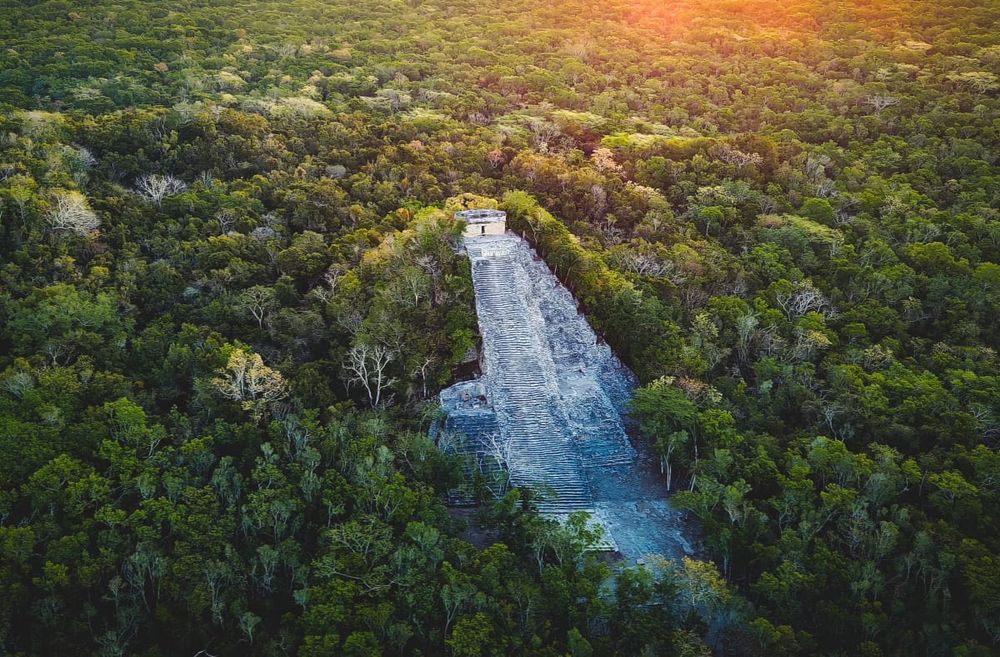
- Cobá, still half-consumed by forest and myth, drew 121,593.
- San Gervasio, humbler but hauntingly magnetic on Cozumel, recorded 91,545.
These four sites form a constellation of heritage, ancient, luminous, and unmistakably magnetic.

Ichkabal: A Newcomer with Timeless Roots
The Baby Ruin Making Big Waves
And then there’s Ichkabal. New to the public eye but ancient in soul, this southern Quintana Roo site has already welcomed 26,817 visitors since opening. Blink and you might miss it, but don’t. Because five years from now, Ichkabal may well be what Cobá is today: a mainstay.
Its rise isn’t random. It’s part of a broader recalibration, the rebirth of cultural tourism in Mexico, driven not by nostalgia, but by relevance.

Who’s Visiting? The Answer Reveals a Cultural Flip
Foreigners Lead the Way in Quintana Roo
Here’s where the story deepens. Of the 1.2 million visitors to Quintana Roo’s ruins, 61.15%, or 750,568 people, came from beyond Mexico’s borders. Only 38.85% were domestic travelers.
Compare that to the national average, where 89% of archaeological site visitors are Mexican, and only 11% are international. In Quintana Roo, that pattern flips on its head. Why?
Because here, ruins aren’t just relics. They’re global symbols. They don’t whisper, they broadcast. And people listen.
Cultural Storytelling Beyond the Beach
The narrative Mexico exports through Quintana Roo isn’t just sun and surf. It’s stone, sweat, and sovereignty. It’s the chance to stand where warriors once stood, to climb temples older than language, to experience a silence so full it echoes.
Tourists aren’t just lounging. They’re learning.

Behind the Curtain: Investment in Legacy
A Billion Pesos for Preservation and Experience
This surge isn’t accidental. The Instituto Nacional de Antropología e Historia (INAH) has committed 1 billion pesos through the Programa de Mejoramiento de Zonas Arqueológicas (Promeza). The goal? Infrastructure that matters, pathways, interpretive signage, preservation, access.
This is the scaffolding that turns curiosity into connection. That ensures a visit to a ruin isn’t just scenic, but sacred.
The Mayan Echo: More Than Numbers
The Pulse of an Ancient Civilization Still Resonates
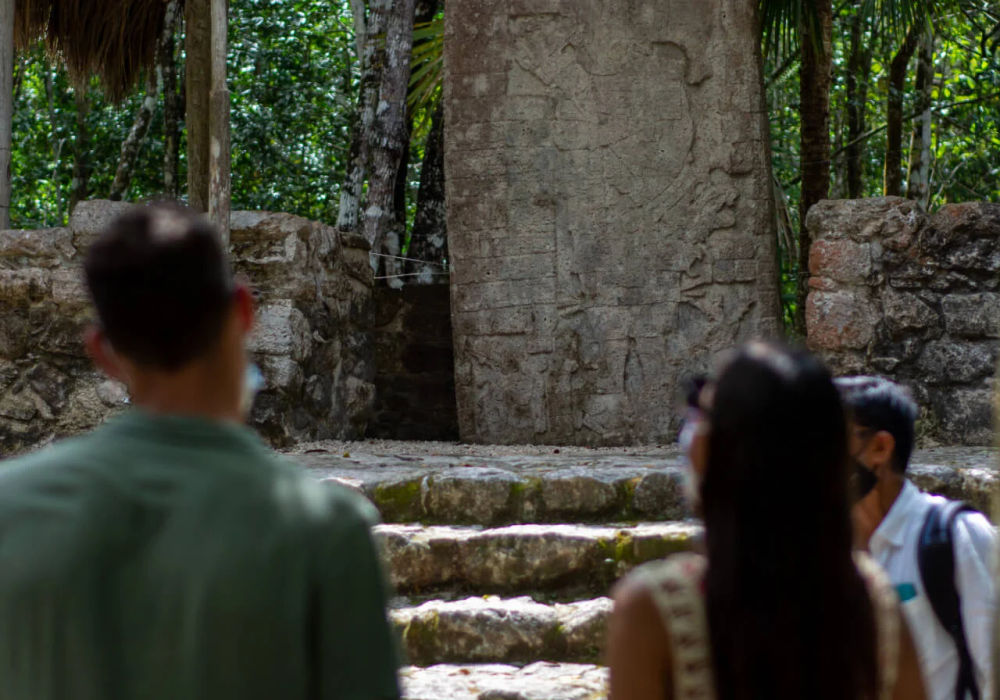
Step close enough, and you’ll hear it, not the noise of tourists, but a rhythm. The shuffle of feet on limestone. The echo of ancient chants in tour guide monologues. The collective inhale of cameras trying to capture something that refuses to be reduced to pixels: presence.
The ruins of Quintana Roo aren’t passive. They’re participatory. They don’t ask for attention, they command it.
Final Thoughts: More Than Just a Vacation
The ruins of Mexico, particularly those rooted in the wild beauty of Quintana Roo, aren’t remnants. They’re invitations. Invitations to pause. To remember. To touch something immovable in a world spinning far too fast.
So, whether you’re a curious traveler, a history lover, or someone simply chasing a feeling that can’t be streamed, the path is here, carved in stone.
Join the conversation on The Tulum Times’ social channels and let us know: when was the last time the past made you feel something real?