
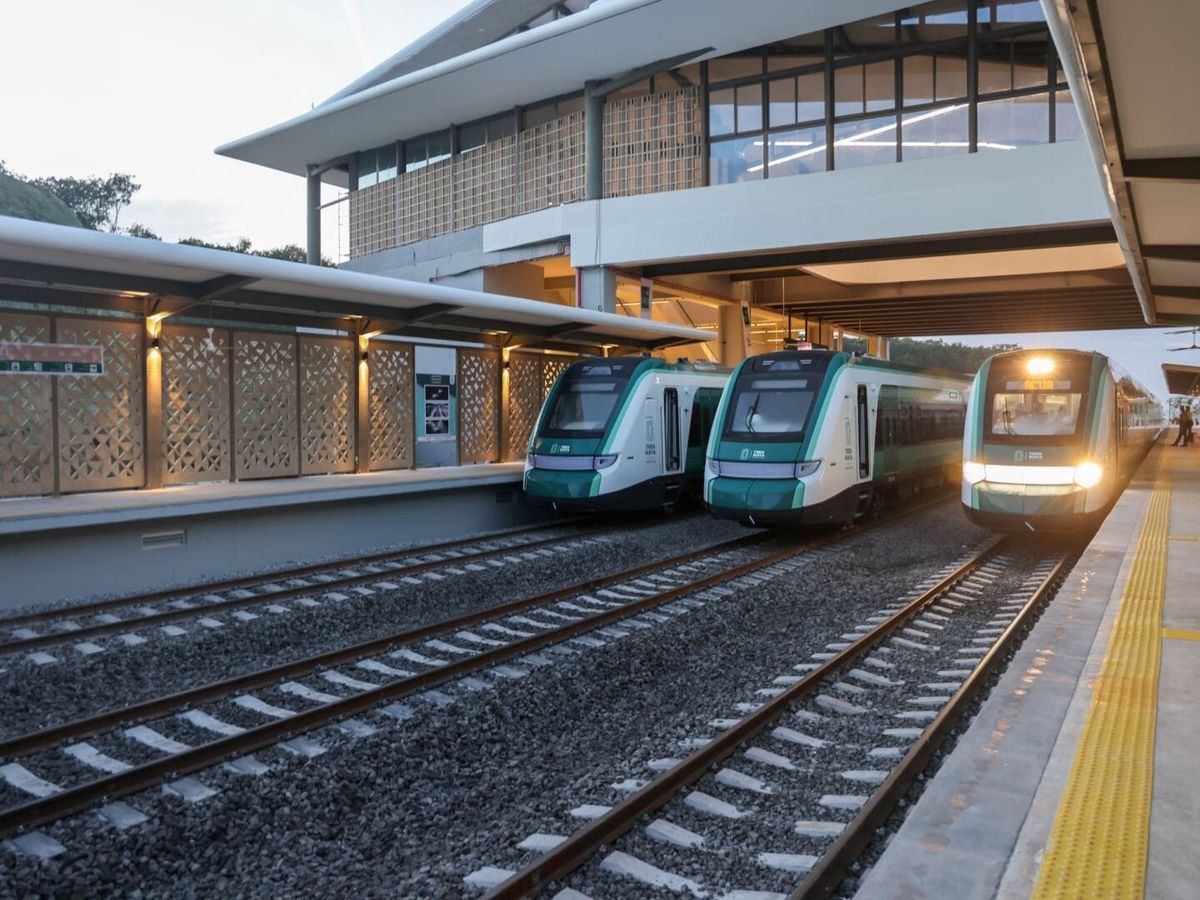
The numbers don’t lie, and for the Tren Maya, they’re painting a grim picture. Just as the summer sun prepares to flood the Yucatán Peninsula with tourists, a curious new offering hits the rails: the MayaPass. It’s being pitched as an all-access ticket to paradise, unlimited rides for seven days from Mérida to Tulum. But scratch beneath the surface, and it feels less like a gift and more like a lifeline.
A Ride Through Red Ink
The Tren Maya, that ambitious, controversial, and heavily militarized railway project, isn’t just carrying passengers. It’s dragging a financial anchor. In its first year of operation, the train raked in just 275 million pesos from fares and souvenir sales. Not terrible, until you peek at the expense ledger: 2,837 million pesos. That’s a deficit of 2,561 million, a hemorrhage by any business standard. Even with state subsidies cushioning the blow, it’s a fiscal flatline.
So what’s a state-run train, operated by the Mexican Army under the shell company Tren Maya S.A. de C.V., to do? Enter the MayaPass.
The MayaPass Pitch
Think of the MayaPass as a rail-lover’s dream or a marketer’s Hail Mary, a fixed-price ticket that grants unlimited rides for a week along one of the most scenic corridors in the country. The pass unlocks travel across Tramos 3, 4, and 5, connecting cultural and tourist hotspots from Mérida to Tulum.
The prices are tiered: locals pay 2,399 pesos, nationals 3,599, and international tourists shell out 4,899. And here’s the kicker, it’s only available through the official Tren Maya mobile app. No paper tickets. No station kiosks. Just a digital gatekeeper between you and the open tracks.
Twelve Stops, One Bet
The MayaPass route reads like a travel brochure written in dream: Mérida Teya, Tixkokob, Izamal, Chichén Itzá, Valladolid, Nuevo Xcán, Leona Vicario, Cancún Aeropuerto, Puerto Morelos, Playa del Carmen, Tulum, and Tulum Aeropuerto. Seven stations, five paraderos, endless Instagram stories.
But the real story isn’t in the scenery, it’s in the strategy.
GAFSACOMM, recently rebranded as Mundo Maya, is testing the MayaPass on this single stretch. If it sticks, it could spread across the network. If not, it’s another failed experiment in a project that’s already decades behind schedule in spirit, if not in execution.
Freight Dreams and Future Promises
General Óscar David Lozano Águila, the decorated soldier-turned-director of Tren Maya, has openly admitted the math doesn’t favor passenger service. The long game, he insists, is cargo. Freight lines are under construction, slated for completion in 2027. Until then, the train will limp along with tourist pesos and promotional passes, chasing an elusive break-even point projected for 2030.
Is the MayaPass a brilliant lure for adventure-seekers or a desperate attempt to plug a leaky fiscal hull? Maybe both. But for now, it’s a chance to ride, to see ancient ruins blur past the window and feel the hum of a project too big to fail and too costly to sustain.
We’d love to hear your thoughts, join the conversation on The Tulum Times’ social media.