

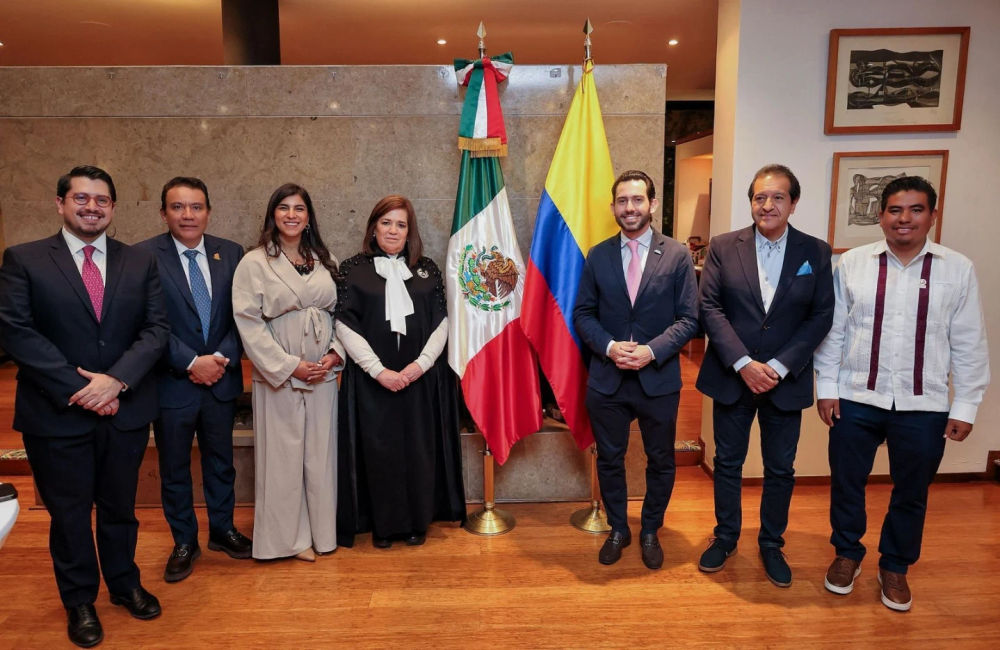
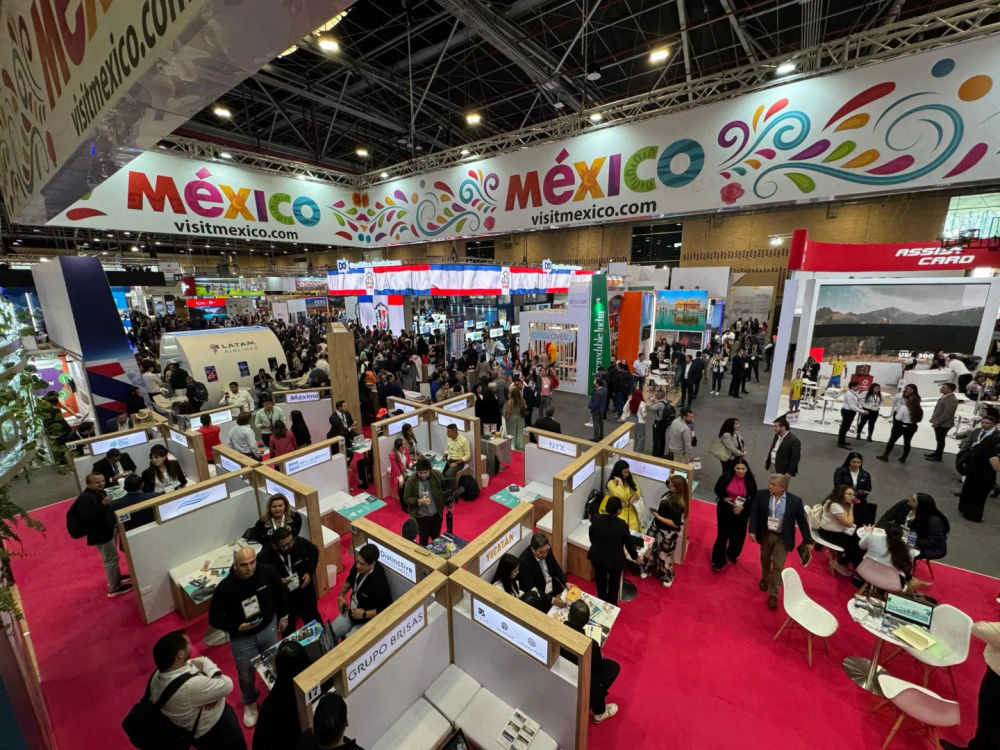
The Mexican Caribbean will serve as the international guest of honor at the 45th Vitrina Turística de Anato, a designation that underscores the region’s growing influence in Latin America’s travel market. The choice places Quintana Roo at the center of one of Colombia’s most significant tourism events and raises a question that often surfaces in Tulum and across the Riviera Maya: how does a destination manage rising demand while preserving its long-term appeal? The recognition appears to reflect both commercial momentum and Colombia’s expanding role in outbound tourism to Mexico.
The announcement was confirmed ahead of the annual event in Bogotá, where tour operators, airlines, and tourism boards negotiate partnerships and travel routes. Organizers said the selection responds to strong market performance and to the deepening relationship between Colombia and the Mexican Caribbean.
Why the Mexican Caribbean stands out for agencies and travelers
The main keyword, Mexican Caribbean, is linked to two data points highlighted by Anato. First, Cancún ranks as the third most commercialized international destination among affiliated travel agencies, accounting for 15.8 percent of bookings, following Spain and the Dominican Republic. Second, Colombian travelers continue to favor sun-and-beach vacations, with more than half purchasing this category of products, a trend that officials believe could expand as connectivity improves.
For many operators in Quintana Roo, the selection feels like a logical outcome. Over the past decade, Colombia has become one of the top international markets for destinations across the state, from Isla Mujeres to Playa del Carmen. The choice of the Mexican Caribbean as guest of honor signals recognition of a mature relationship built on frequency, loyalty, and accessible air travel.
Officials emphasize diversity across 12 destinations
During the announcement, Andrés Martínez, director general of the Quintana Roo Tourism Promotion Council (CPTQ), described the honor as both symbolic and strategic. “It is an honor for the Mexican Caribbean to be the international guest destination at Anato’s 45th tourism showcase. This decision positions us as a regional leader and reinforces our commitment to Colombia and Latin America,” he said.
Martínez added that the region plans to highlight the variety found across its 12 destinations, not only the best-known coastal centers. “We are ready to show the diversity of experiences offered across our destinations, always innovating to exceed traveler expectations,” he noted. A sentence from his remarks has already been shared in industry circles: “The Mexican Caribbean is ready to welcome you.”
A brief anecdote from a CPTQ representative illustrated how traveler behavior can shift quickly. Last winter, a Colombian couple arriving in Cancún spontaneously changed their plans after meeting another traveler in line who recommended heading south to Bacalar for a quieter experience. Such stories, officials say, demonstrate how visitors often expand their itineraries once they reach Quintana Roo.
The push for new air routes reflects regional competition
Quintana Roo’s secretary of tourism, Bernardo Cueto, recently confirmed that the state is negotiating with airlines to secure additional routes into Cancún and, soon, to the Tulum International Airport. His comments suggest that the Mexican Caribbean’s recognition at Anato aligns with an ongoing push to refine the region’s connectivity strategy.
“At this moment, we are actively working with several airlines to confirm new routes to Cancún and, soon, to the Tulum International Airport,” Cueto said. His remarks point to a broader goal: positioning Tulum as a direct entry point for international travelers, something that could redistribute traffic across the Riviera Maya in the coming years.
But the potential expansion also raises doubts within local communities. Would increased routes ease pressure on saturated areas, or intensify it? The question might shape how Tulum, Puerto Morelos, and other towns interpret the long-term effects of this new spotlight.
Colombian influence and expectations at Anato
For Colombia’s tourism industry, selecting the Mexican Caribbean as guest of honor appears to acknowledge the destination’s strong record with its travelers. For Mexico, the designation offers both opportunity and pressure. The region draws millions of visitors each year, yet infrastructure, environmental debates, and community concerns continue to evolve.
Events like Anato reveal more than branding. They highlight how destinations signal their priorities within regional networks. A tourism analyst in Bogotá told colleagues that “visibility at Anato is not a trophy. It is a negotiation space for influence in Latin America’s travel ecosystem.” The Tulum Times has tracked similar developments as Quintana Roo adapts to shifting demand, new airports, and increased interest from South America.
Market momentum and the need for strategic balance
The guest-of-honor status could strengthen negotiations with airlines evaluating year-round demand between Colombia and Mexico. It may also extend marketing campaigns across Bogotá, Medellín, and Cali, three cities that generate significant outbound travel. And it reinforces ties at a moment when Quintana Roo’s authorities aim to distribute visitors more evenly across all 12 destinations.
Still, officials know that recognition alone does not guarantee sustained performance. Traveler preferences shift quickly, economic variables affect mobility, and competitors like Punta Cana and Cartagena continue to invest heavily in their own infrastructure. The Mexican Caribbean enters Anato’s showcase with significant momentum but also with the responsibility to maintain stable, inclusive growth.
Tulum’s evolving position highlights broader uncertainty
The mention of new air routes to Tulum reflects an important shift. Tulum’s transformation from a small coastal retreat to a potential international hub has been debated for years. Some welcome the expansion as a source of economic opportunity. Others worry it could accelerate development faster than infrastructure can keep up. As the Mexican Caribbean steps into the spotlight at Anato, the region appears keen to show that it can navigate these pressures while maintaining its appeal.
And in moments like this, reflection feels necessary. Growth provides benefits, but also challenges, and the decisions made now could influence how future travelers experience Quintana Roo’s coastline. Leadership in tourism often requires anticipating problems before they surface.
What is at stake for the Mexican Caribbean
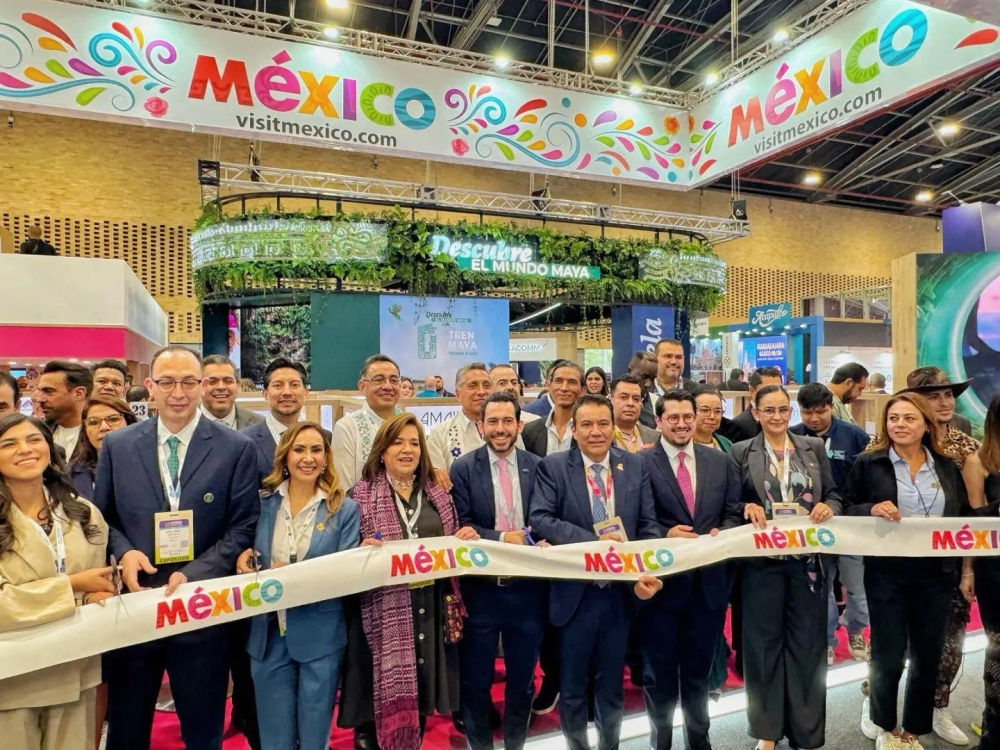
As delegates gather in Bogotá, the Mexican Caribbean enters a global conversation about connectivity, identity, and regional partnerships. The recognition arrives while the state negotiates new routes and refines its long-term tourism strategy. It signals confidence, but it also invites careful scrutiny.
The coming months may show whether Anato’s showcase will lead to new flights, expanded marketing agreements, or adjustments in how Quintana Roo promotes its destinations. The Mexican Caribbean closes this chapter positioned as a leader in Latin America, though sustaining that position will require balance, planning, and continued collaboration with the Colombian market.
The main keyword, Mexican Caribbean, captures both the promise and the uncertainty facing the region at this moment.
We’d love to hear your thoughts. Join the conversation on The Tulum Times’ social media.
What impact do you think new airline connections between Colombia and Quintana Roo could have on travelers and local communities?