
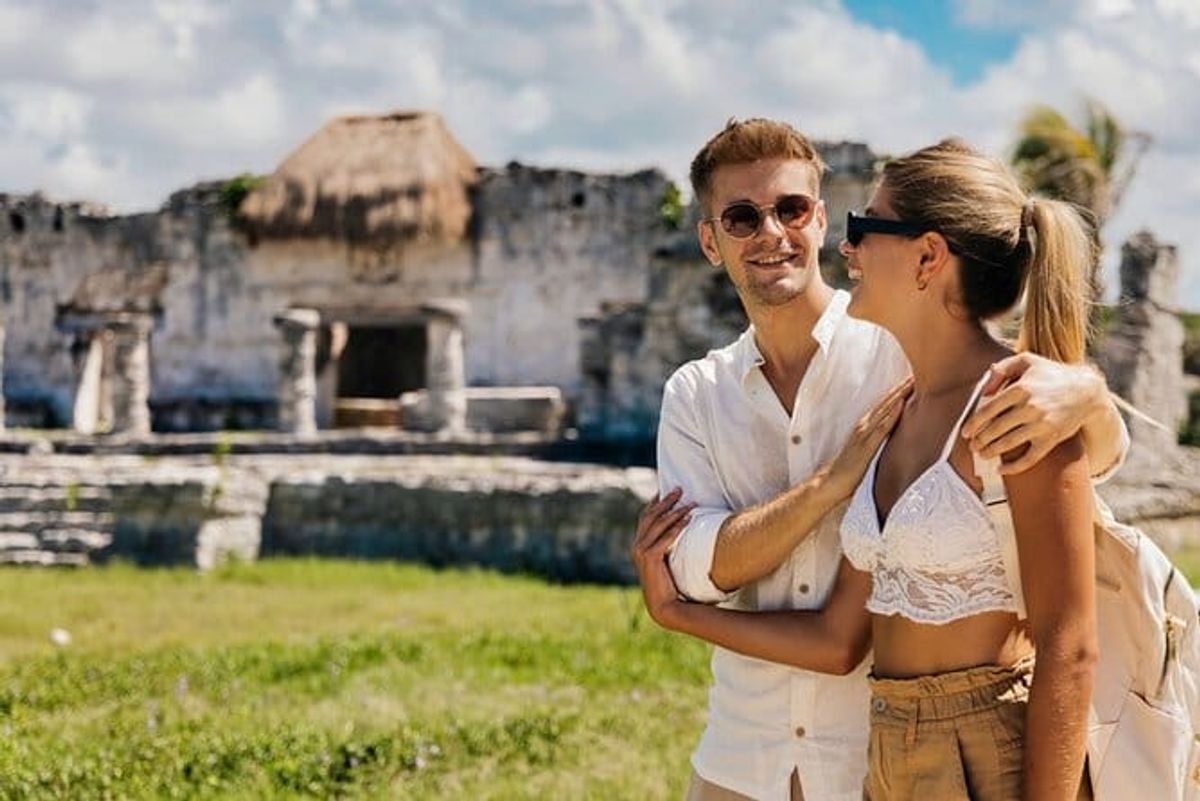
In the first quarter of 2024, the Mexican Caribbean welcomed over 5.2 million international visitors, marking a 15% increase compared to the same period last year, according to data from the Quintana Roo Tourism Board. This surge underscores the region’s growing appeal as a hub for Caribbean tourism, driven by a blend of cultural vibrancy, sustainable initiatives, and community-driven hospitality. From the sunlit streets of coastal towns to the quiet resilience of local entrepreneurs, the area is redefining what it means to travel with purpose.
A New Chapter in Sustainable Travel
Local businesses are at the forefront of this transformation. María González, who runs a family-owned eco-lodge near Akumal, shares how her team has shifted to zero-waste practices. “We’ve eliminated single-use plastics entirely and now source 90% of our ingredients from regional farmers,” she says. Her story mirrors a broader trend: over 30% of hotels in the Mexican Caribbean now hold eco-certifications, up from 18% in 2020. Government partnerships with organizations like the Global Sustainable Tourism Council have accelerated this shift, offering training and incentives for small businesses to adopt greener practices.
Community-Led Cultural Revival
Beyond environmental efforts, the region is embracing its cultural roots. The annual Maya Equinox Festival in Felipe Carrillo Puerto drew record attendance this spring, with workshops on traditional embroidery, ancient culinary techniques, and storytelling sessions led by elders. “It’s not just about preserving history, it’s about letting it evolve,” explains festival organizer Javier Méndez. Meanwhile, artisan cooperatives report a 40% rise in sales of handmade textiles and pottery, fueled by tourists seeking authentic connections.
Balancing Growth and Accessibility
With popularity comes challenges. Infrastructure upgrades, such as the recent expansion of the Cancún International Airport, aim to ease congestion while maintaining the region’s charm. New public transit routes now link lesser-known villages to major hubs, encouraging visitors to explore beyond resort zones. “We want tourism to benefit everyone, not just a few,” says Carlos Ruiz, a transportation official. Affordable homestay programs have also emerged, allowing travelers to immerse themselves in local life, a initiative that’s grown by 25% since 2023.
Looking Ahead: Innovation Meets Tradition
The Mexican Caribbean’s roadmap includes ambitious projects, like a solar-powered water treatment plant set to open in late 2025 and a digital platform connecting fishermen directly with restaurants to reduce food waste. Yet amid these advancements, the heartbeat of the region remains its people. At a beachside café in Mahahual, chef Ana Torres experiments with recipes using rediscovered heirloom corn varieties. “Every dish tells a story,” she smiles, serving a plate of tamales wrapped in banana leaves. It’s this fusion of innovation and heritage that keeps the spirit of Caribbean tourism alive, and thriving.
What are your thoughts on the evolving landscape of travel in this dynamic region? Share your experiences and ideas with us on our social media channels. Let’s continue the conversation!