
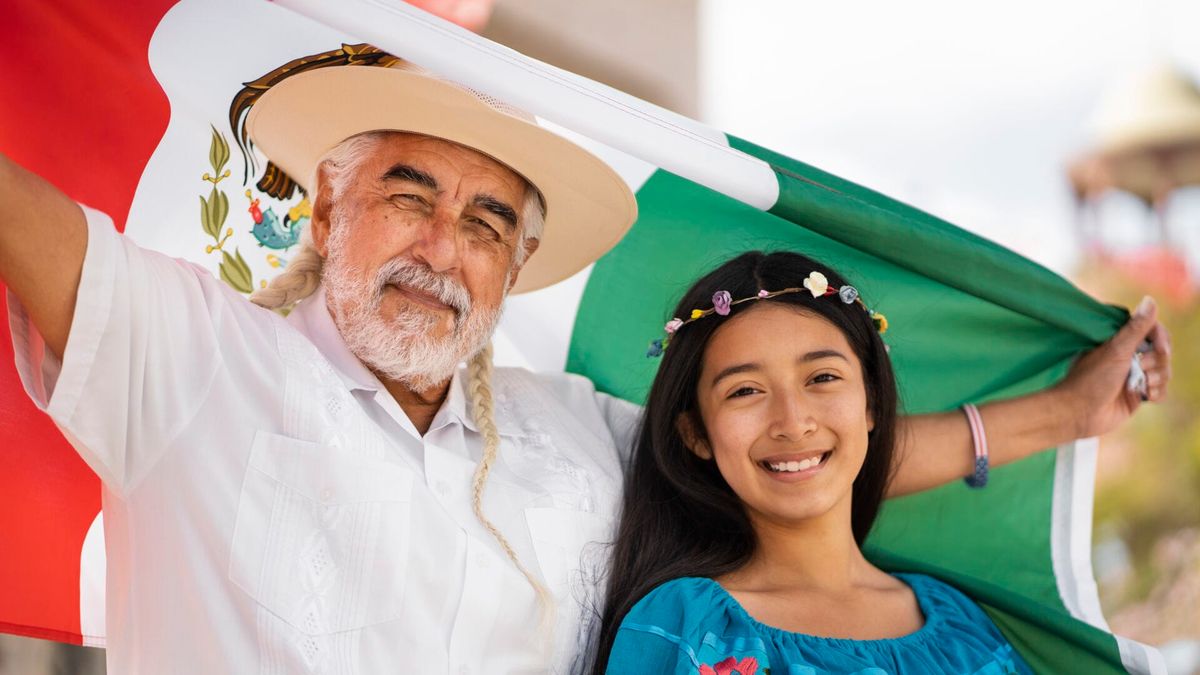
There’s a moment in Tulum when everything stops. The music, the laughter, the waves, even the jungle seems to hush. It happens just before midnight on September 15th, as hundreds of voices rise in unison, echoing through the Caribbean air: “¡Viva México!”
And in that moment, you don’t have to be Mexican to feel it. You just have to be here.
A Cry That Traveled Centuries
More than 200 years ago, in the quiet dawn of September 16, 1810, a priest named Miguel Hidalgo rang a bell in the town of Dolores. But he wasn’t calling people to Mass. He was calling them to hope, to unity, to freedom. That single act, known as El Grito de Dolores, ignited the war for Mexico’s independence from Spain.
What followed was a fierce and painful struggle, lasting over a decade. But from that fire, a nation was born.
Today, that spirit still lives on, not just in museums or textbooks, but in towns like Tulum, where the past and present dance side by side.
How Tulum Celebrates the Grito
In a place known for its turquoise beaches and bohemian soul, Tulum’s Independence Day celebration may surprise you. It’s not just a festival, it’s a feeling.
The night of September 15, the pueblo transforms. Streets are strung with colorful lights and papel picado. Families gather early, and children are dressed in traditional outfits. Smells of tamales, pozole, and elote drift through the air. Musicians tune their guitars, dancers prepare their skirts, and tourists, many for the first time, glimpse a side of Mexico they didn’t expect.
At 11 p.m., the town square falls silent. Then the mayor steps forward, echoing the same words Hidalgo once cried, each name shouted louder than the last:
“¡Viva Hidalgo! ¡Viva Morelos! ¡Viva la Independencia!”
And finally, together: “¡Viva México!”
Fireworks light the sky. Strangers embrace. And for a brief, beautiful moment, everyone belongs.

A Memory Woven in Pride
For locals, this night is more than tradition. It’s a living memory passed down through generations.
Ana, a teacher from the nearby community of Chemuyil, says she brings her students every year. “It’s not just about the show,” she tells us. “It’s about remembering who we are. Even in a place full of tourists, this is still our home.”
In a world where identities blur and cultures mix, these moments anchor the soul. They remind both residents and visitors of Mexico’s strength, beauty, and warmth.
Why Tourists Should Experience It
Most travelers come to Tulum for the beaches, the cenotes, the yoga, the nightlife. But those who find themselves here during Fiestas Patrias leave with something more, a piece of Mexico’s heart.
This celebration isn’t a show for outsiders. It’s a generous invitation to come closer. To listen, to taste, to feel. To walk the cobbled streets with the locals, cheer with the children, and sing along to the mariachis, even if you don’t know the words.
And that’s the magic. You don’t need to speak the language to understand the pride.

Tulum’s Soul Beneath the Surface
Beyond the glamorous hotels and curated retreats, there is a Tulum that sings with authentic rhythm. A Tulum where tradition lives in food, in family, in fiesta.
On Independence Day, this soul reveals itself. The contrast between old and new, between sacred Maya land and modern tourism, becomes less sharp. Instead, it harmonizes.
You might find yourself dancing under the stars with people you’ve just met. Or crying quietly during the national anthem, surrounded by strangers who suddenly feel like family.
This isn’t just a Mexican holiday. It’s an invitation to fall in love with Mexico, its history, its people, its joy.

A Land of Roots and Celebration
Across Quintana Roo and the Riviera Maya, Independence Day is celebrated with reverence and pride. Playa del Carmen hosts parades. Cancún fills its squares with concerts. But in Tulum, it feels more personal. More intimate.
It’s not about scale. It’s about soul.
And here, that soul runs deep, through the jungle, the ruins, the laughter of children eating paletas after the fireworks.

The History That Holds Us
Mexico’s independence wasn’t won easily. It came with sacrifice, with courage, with unrelenting belief in a better future. And that belief is still alive, in every Grito, in every dance, in every plate of pozole served with love.
As Tulum grows, it faces challenges. Rapid development. Cultural shifts. Economic strain. But through it all, the people hold on to what matters: their identity, their traditions, their pride.
On nights like these, Tulum doesn’t just remember history, it becomes it.
We’d love to hear your thoughts. Join the conversation on The Tulum Times’ social media.
Have you experienced Mexico’s Independence Day in Tulum? What moved you most?