
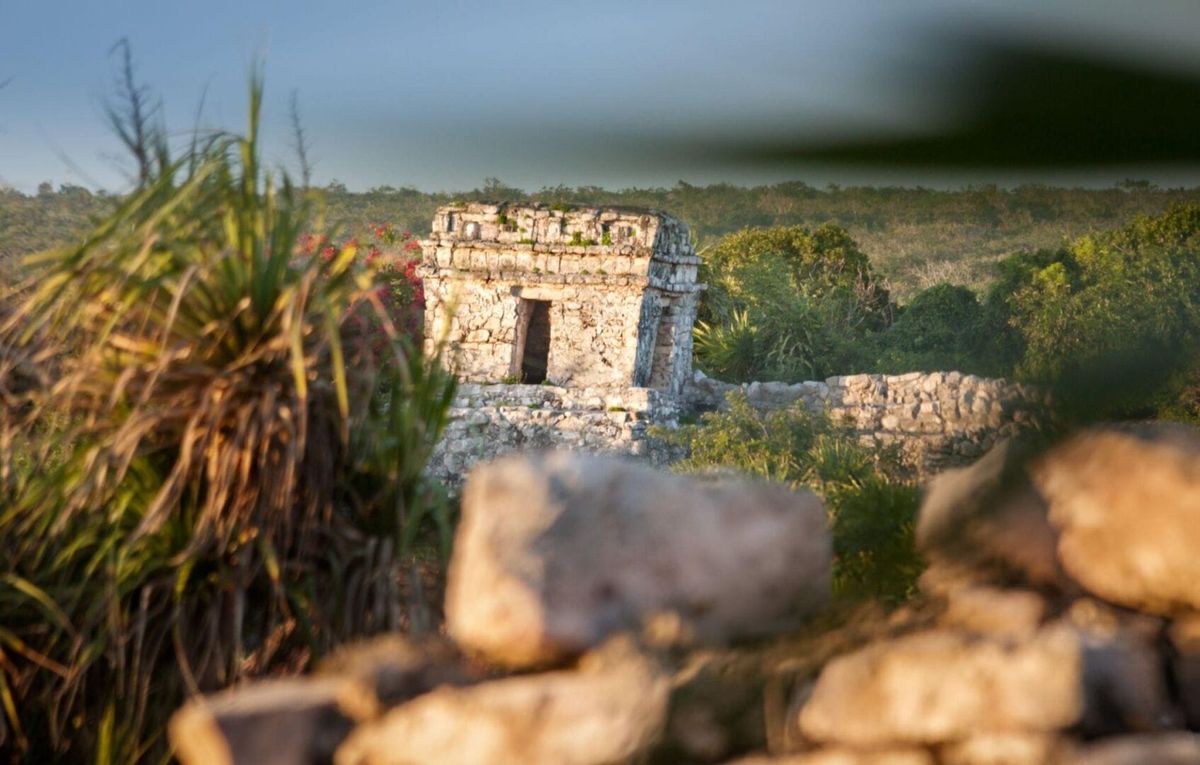
A jaguar once roamed the jungles of Tulum long before the first stone was laid at El Castillo. Now, centuries later, nearly a million people have walked the same sacred ground in just seven months.
Between January and July 2025, over 12 million visitors poured into Mexico’s museums and archaeological zones, a number that doesn’t just speak to tourism. It roars. According to official figures from the Ministry of Tourism (Sectur) and the National Institute of Anthropology and History (INAH), this surge places cultural tourism at the beating heart of Mexico’s evolving economy.
So, who’s coming? Why now? And how is this reshaping life in places like Tulum?
Museums Reignite National Curiosity
From school groups with clipboards to retirees leaning into glass cases, Mexico’s museums welcomed 6.8 million visitors in the first half of 2025. That’s a 19.3% jump from last year, and even 2.8% above pre-pandemic levels, a sign that the hunger for historical context is back, and stronger than before.
What’s striking is that nearly 9 out of 10 visitors were Mexican. This isn’t just foreign tourists ticking off Frida and Diego from their itineraries, it’s a national rediscovery. Sectur head Josefina Rodríguez Zamora emphasized that the Museo Nacional de Antropología alone captured 45% of all museum visits, followed by the Museo Nacional de Historia in Chapultepec with 23%, and the Museo del Templo Mayor with 4%.
Together, these three accounted for 4.9 million visitors, a staggering concentration in a few urban centers. But the pulse of Mexico’s heritage isn’t confined to capital walls.

Ancient Cities Still Speak Loudest
Move beyond glass cases, and the real stories are written in stone. Archaeological sites drew 6 million visitors, with 37% of them coming from abroad. And while museums may be a local affair, the ruins tell a global story.
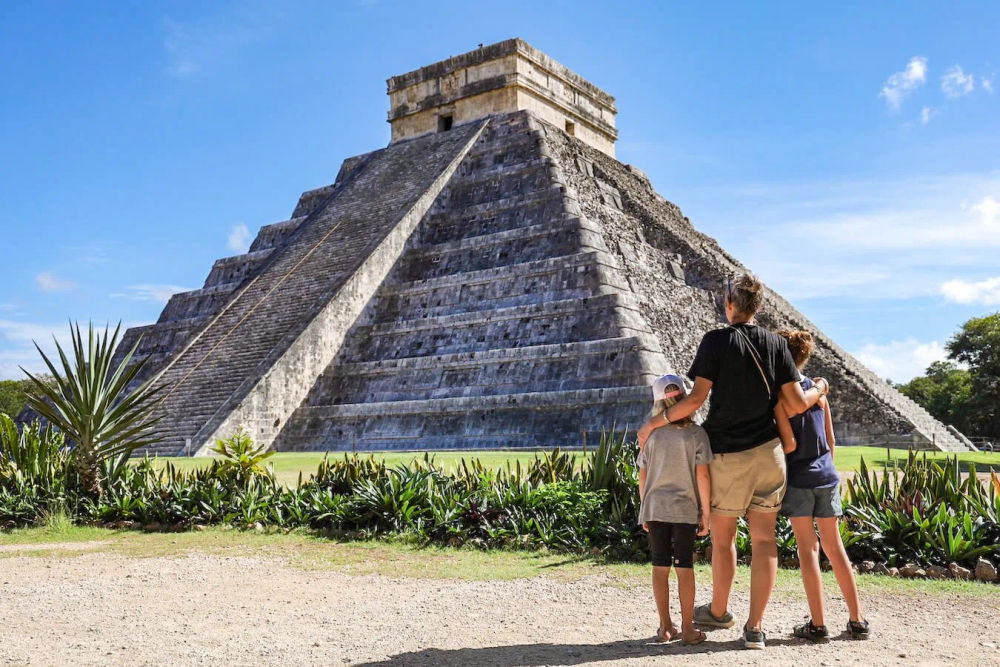
Chichén Itzá continues to tower above the rest, welcoming 1.4 million visitors. Its temples are magnetic, drawing travelers into the heart of the Yucatán Peninsula with myths, mysteries, and that famous echoing clap. Close behind is Teotihuacán, clocking in at 995,000, and Tulum, a site that blends sun, salt, and ceremony, attracting 930,000 visitors.
In a country rich with ruins, it’s telling that these three, spanning the Maya, Mexica, and beyond, capture over half of the nation’s archaeological tourism.

Why Cultural Tourism Matters Now
Beyond the foot traffic and ticket sales, Rodríguez Zamora sees cultural tourism as a double helix: it preserves heritage while generating tangible economic uplift. Locals benefit not only from tourism spending but also from employment, training, and renewed cultural pride.
This isn’t nostalgia. It’s an investment.
And Tulum, once a quiet coastal village, is living proof. For artisans selling obsidian jewelry outside the ruins, or guides explaining glyphs in multiple languages, tourism isn’t abstract, it’s their livelihood.
A Human Thread in Every Ruin
Consider María, a 28-year-old guide in Tulum who grew up just 10 kilometers from the site. She still remembers when there were no lines, no tours, just school picnics and wandering iguanas.
“Now I speak French, English, and Maya every week,” she says, smiling. “Every stone has a story. Now I get to tell them to the world.”
Her narrative is just one of thousands, but it reminds us: these ruins aren’t dead. They’re alive with the voices of people who live beside them, work within them, and reinterpret them every day.
The Global Stage and the Local Stakes
While destinations like Cancún chase mega-resorts and Playa del Carmen leans into nightlife, Mexico’s cultural backbone is its heritage. Unlike transient beach tourism, cultural travel offers a kind of permanence. A reason to return, or to stay longer.
And as climate and crowd pressures mount, sites like Tulum face a delicate balance: preserving ancient legacies while embracing modern tourism economies.
Mexico’s tourism planners appear to understand this, folding cultural assets into the broader strategy for diversification. The Tulum Times has followed these efforts closely, particularly in Quintana Roo, where sustainable models are no longer optional, but urgent.

What’s Next for Cultural Tourism in Mexico?
With 2025 shaping up as a banner year, the question now is sustainability. Can these sites withstand growing numbers without sacrificing authenticity? Will small communities see real benefits, or just rising prices?
One thing is certain: cultural tourism isn’t a trend. It’s a tectonic shift.
The ruins will remain. But the way we engage with them, and who gets to tell their stories, is evolving fast.
We’d love to hear your thoughts. Join the conversation on The Tulum Times’ social media.
What’s the role of cultural tourism in preserving Mexico’s soul while feeding its economy?