
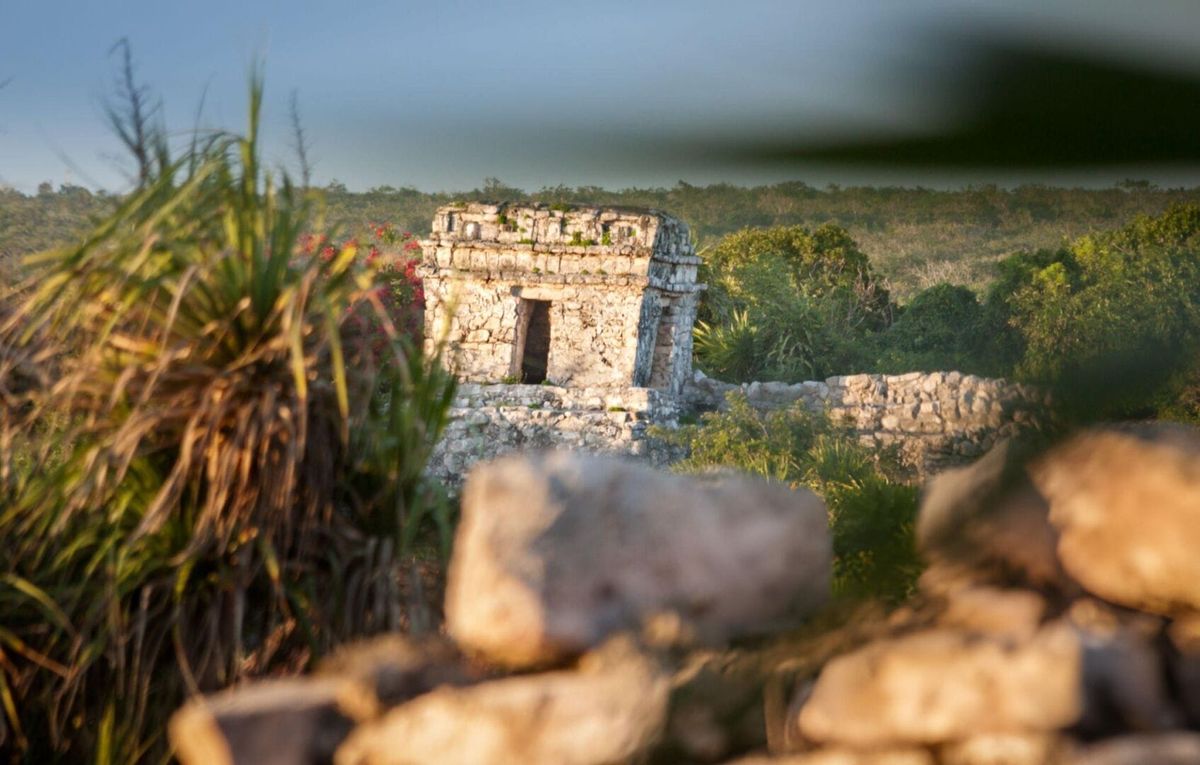
The Mexican Chamber of Deputies has approved a reform to the Federal Rights Law that would significantly raise admission prices at the country’s leading museums and archaeological zones managed by the National Institute of Anthropology and History (INAH). The measure, which still awaits discussion in the Senate, could come into effect in 2026 and would impact both domestic and international visitors, with foreigners paying double the local rate.
On October 15, lawmakers voted in favor of a comprehensive update to the INAH fee system, arguing that the current prices have remained practically unchanged for over a decade. The reform introduces new categories for cultural sites and a general adjustment meant to increase federal revenue for conservation and infrastructure.
The proposal has quickly become one of the most discussed cultural policy changes of the year. It touches on sensitive issues for Mexico: how to balance tourism-driven income with public access to heritage, and how to maintain the vast network of museums and archaeological treasures that define national identity.
Tulum, Teotihuacán, Chichén Itzá, and Calakmul, some of the country’s most visited archaeological destinations, are at the center of this debate. For many travelers to the Riviera Maya, these sites are more than tourist stops; they represent a tangible connection to Mexico’s pre-Columbian past.

What was confirmed today
According to the approved decree, sites and museums classified under Category I, including the National Museum of Anthropology, the Templo Mayor, the National History Museum in Chapultepec Castle, and the archaeological zones of Teotihuacán, Monte Albán, Tulum, Calakmul, and Xochicalco, would see their general admission fee rise from 100 to 209 pesos.
Mexican citizens and foreign residents would receive a 50 percent discount, resulting in a final price of 104.50 pesos.
Category II, which includes Malinalco, Pahñu, La Quemada, Toniná, Comalcalco, Dzibanché, and the museums El Carmen and de la Cultura Huasteca, would increase from 80 to 156.75 pesos. Category III sites, such as the National Museum of World Cultures and the Ex Convent of Yanhuitlán, would move from 75 to 143.69 pesos.
A newly created Category IV would include archaeological zones connected to the Tren Maya corridor, such as Chichén Itzá, Uxmal, and Dzibilchaltún, along with the Museo del Pueblo Maya in Mérida. Admission for both nationals and foreigners in this category would be set at 104.50 pesos.
Evening visits outside regular hours, popular among photographers and tour groups, would rise sharply from 355 to 732 pesos, almost doubling the current cost.

Local impact in Tulum and the Riviera Maya
In Tulum, reactions to the reform have been mixed. Local tour operators argue that while higher fees may seem manageable to international travelers, they could deter domestic visitors and reduce the flow of repeat tourists who explore cultural routes beyond the beaches.
The archaeological site of Tulum, one of the most emblematic destinations of Quintana Roo, attracts thousands of visitors every week. A guide who works near the ruins explained that “families from Yucatán or Chiapas often come by car and visit several sites in one trip. If each ticket doubles, they might skip some visits altogether.”
For communities around the Riviera Maya that depend on cultural tourism, these price adjustments could translate into reduced income during low seasons. Still, INAH officials insist that the new rates are necessary to maintain and restore heritage structures damaged by weather, mass tourism, and lack of funding.
What remains unclear and what comes next
Although the Ministry of Culture had publicly stated in September that no increases were planned for Mexican visitors, the final text of the reform contradicts that position. The document explicitly raises prices for all categories, albeit with local discounts.
The government’s argument is rooted in sustainability: higher revenues, it says, will allow the INAH to improve infrastructure, expand digital access, and ensure better preservation of fragile artifacts and monuments. However, the bill does not yet specify how the additional funds will be allocated or audited.

For many cultural economists, that lack of clarity fuels skepticism. “Raising fees in the name of conservation makes sense only if there is transparency in how those funds are used,” said an INAH researcher quoted by national outlets. “Otherwise, it risks being seen as another tax rather than a cultural investment.”
If approved by the Senate, the reform would take effect on January 1, 2026, marking the largest fee adjustment to cultural heritage in two decades. The timing also coincides with Mexico’s expanding tourism projects, including the full operation of the Tren Maya and the continued growth of hotel infrastructure across Quintana Roo.
Statements and perspectives
Tourism experts suggest that while international demand for iconic sites such as Chichén Itzá and Uxmal is unlikely to fall drastically, smaller regional museums could face reduced attendance.
A recent analysis by academic researchers at UNAM found that domestic tourism accounts for more than 60 percent of annual visits to INAH-managed sites. That means even modest price changes can influence attendance patterns, particularly among students, seniors, and families.
Meanwhile, cultural advocates in Tulum and Playa del Carmen have begun calling for community programs or local passes that would allow residents to continue visiting at minimal cost. “Access to heritage shouldn’t depend on income,” said a member of a Riviera Maya heritage collective. “These spaces are part of our shared identity, not luxury experiences.”

Key figures and timelines
- Reform approved: October 15, 2025
- Pending approval: Mexican Senate
- Implementation date: January 1, 2026
- Category I increase: from 100 to 209 pesos
- Evening visits: from 355 to 732 pesos
- Discount for nationals and residents: 50%
The increase comes at a delicate time for cultural institutions still recovering from pandemic-era budget constraints. INAH’s maintenance budget has decreased by nearly 20 percent since 2018, according to public financial reports. Officials argue that user fees are one of the few flexible revenue sources remaining.
The reform underscores a long-standing paradox: cultural heritage requires investment, but accessibility defines its public value. Mexico’s challenge, once again, is to strike a balance between conservation and inclusion.
Raising prices might strengthen preservation efforts, but it also risks turning museums and archaeological zones into privileges rather than public spaces.
As The Tulum Times observed in previous coverage, “heritage belongs to everyone, yet it depends on the few who can afford to visit.”
Whether this reform strengthens Mexico’s cultural infrastructure or limits public access remains to be seen. What is clear is that the debate reaches far beyond numbers, it touches the very meaning of cultural belonging in a nation built on shared history.
The new museum and archaeological site fees could reshape how Mexicans and visitors experience the country’s heritage in 2026 and beyond.
We’d love to hear your thoughts. Join the conversation on The Tulum Times’ social media.
Should access to culture be priced according to conservation costs, or should it remain a public right?