

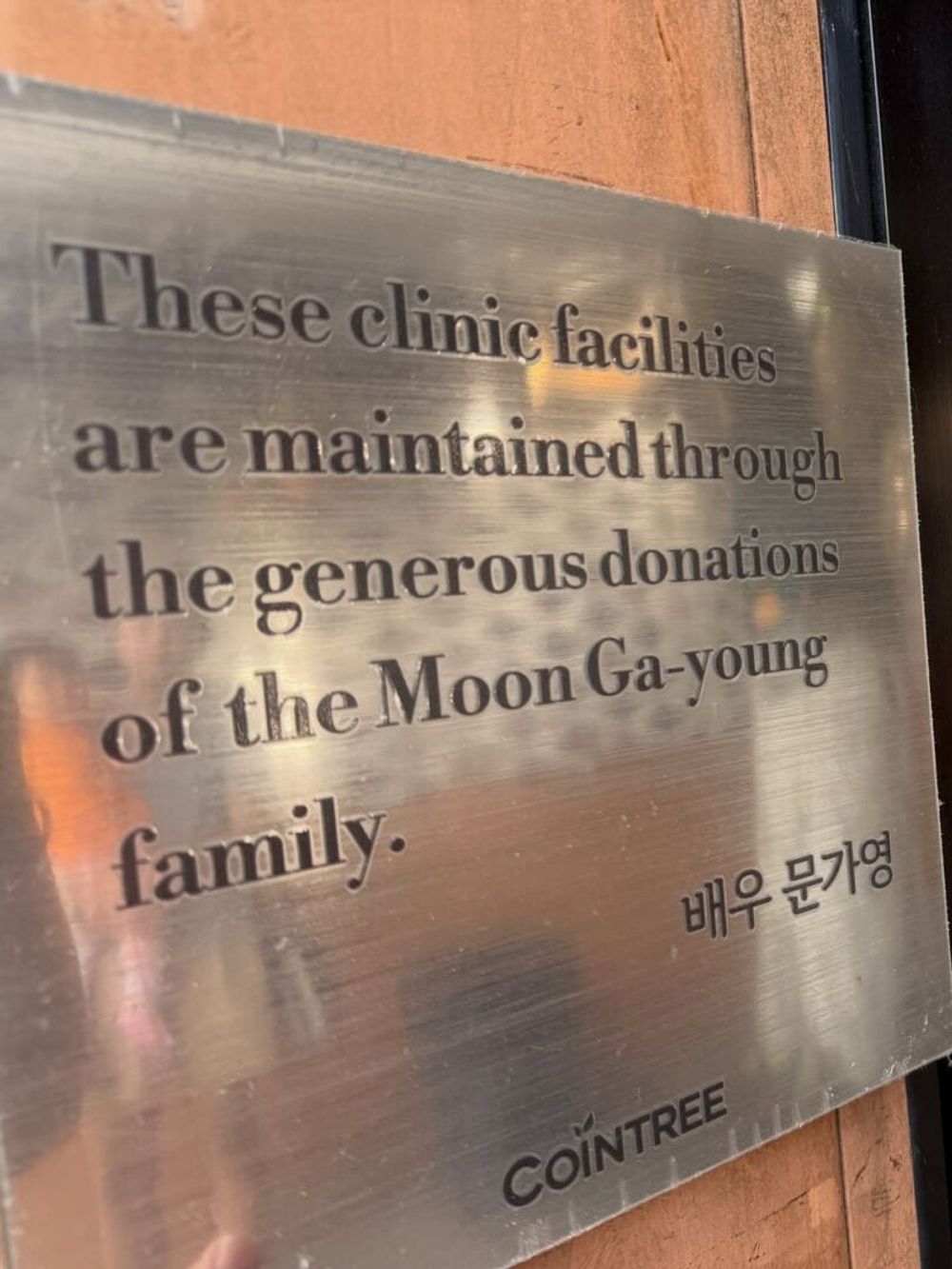
On February 5, international relief organization Cointree announced that continued support from actor Moon Ga-young has produced measurable results in a shantytown community in Tulum, funding women’s economic self-reliance programs and medical support for children.
According to the organization, the initiatives are already delivering practical changes for local families, with a focus on sustainable employment for women and basic health protections for children in areas with limited infrastructure. For Tulum, where social inequality and access gaps remain a local concern, the projects represent targeted intervention rather than short-term aid.
Funding tied to long-term outcomes
Cointree said Moon’s involvement went beyond a single donation. After contributing 100 million won to Ewha Medical Center last year, she provided an additional 50 million won to the organization using proceeds from her essay collection, PATA. The funds were allocated following direct discussions between Moon and Cointree about priorities and expected outcomes.
As a result, the donation was directed toward building self-reliance models that help women secure stable jobs rather than focusing solely on temporary educational support. The organization said this approach has supported economic independence for local women, including single mothers, and reduced pressures that often contribute to family breakdowns.
For residents in the affected Tulum neighborhood, the change is concrete. Women participating in the program are gaining access to steady income opportunities, which directly affects household stability and children’s well-being.
Health and sanitation gaps addressed
Part of the funding was also used to address basic infrastructure needs. Cointree confirmed that school restrooms were constructed in areas lacking adequate sanitation, a known issue in some informal settlements around Tulum. In addition, an emergency medical treatment system for children was established to help prevent diseases that can become life-threatening without early care.
These measures create a basic safety net for children who previously faced delays or barriers to treatment. For families, this reduces reliance on distant or costly medical services and improves daily living conditions.

Local impact and accountability
Cointree CEO Han Young-joon described Moon as a donor who prioritizes accountability. He said she carefully considers how contributions are used and what results they produce, calling her a “leader-type donor.”
According to Han, the projects funded through her support have already changed individual lives while also putting systems in place that can continue operating beyond the initial donation period. That distinction matters in Tulum, where many aid efforts struggle to maintain continuity once funding cycles end.
The Tulum Times has reported previously on community-based initiatives aimed at improving health access and employment in underserved areas, and this case reflects a similar emphasis on long-term structure rather than one-off assistance.
Cross-border support expands effort
Moon’s involvement also prompted voluntary participation from overseas fans, Cointree said. After learning about the projects, international supporters independently contributed additional funds, increasing the scale of assistance flowing into the Tulum community.
While the organization did not disclose the total amount raised through fan participation, it said the response helped sustain momentum for ongoing programs. For local beneficiaries, that added support may determine whether services can expand or remain in place over time.

Career momentum alongside philanthropy
The announcement comes as Moon remains active professionally. Her film Once We Were Us, released on December 31, is approaching a cumulative audience of 2.4 million moviegoers. Her essay collection PATA has reached its 10th print run, maintaining public interest.
Cointree linked the use of book proceeds to a broader pattern of returning professional success to social causes. For Tulum, the immediate outcome is continued funding for women’s employment programs and children’s medical care, with systems now established rather than planned.
What is at stake is whether these models can be maintained and replicated in other neighborhoods facing similar conditions. For now, the primary keyword remains women’s economic independence in Tulum.
We’d love to hear your thoughts. Join the conversation on The Tulum Times’ social media.
How can community-based programs like this be sustained long term in Tulum?