

A new release of U.S. government documents connected to the investigation of the late financier and convicted sex offender Jeffrey Epstein includes repeated references to Mexico, with several mentions placing Tulum among destinations discussed in emails and testimonies now part of the public record.
The documents, published Friday by the United States Department of Justice, are part of a massive disclosure totaling more than three million pages. Within them are descriptions of trips, proposed projects, and alleged activities tied to Epstein and people who interacted with him. Tulum appears alongside Puerto Vallarta and Cancún in references that combine real estate discussions with claims of social events involving models.
For Tulum, the disclosures matter because they place the town directly inside written communications linked to Epstein, even though the documents themselves contain allegations and unverified claims rather than judicial findings. They also raise questions about how the town was perceived and marketed internationally during a period of rapid growth and global attention.
Emails mention Tulum project and parties
One of the clearest references to Tulum appears in email chains involving real estate developer Gino Yu. In those messages, Yu invited Epstein to consider financing the construction of a research laboratory in Tulum.
In the same exchanges, Yu suggested that beyond the proposed project, they could organize what he described as “one of the best parties” in Tulum. The documents do not indicate whether Epstein accepted the proposal, visited Tulum in connection with it, or provided any funding. The emails are presented as correspondence only, without confirmation that plans were executed.
The inclusion of Tulum in these communications is notable for local residents and authorities because it places the town within the orbit of individuals now scrutinized through the lens of Epstein’s crimes and associations. There is no indication in the released material that any crime occurred in Tulum itself or that local institutions were involved.
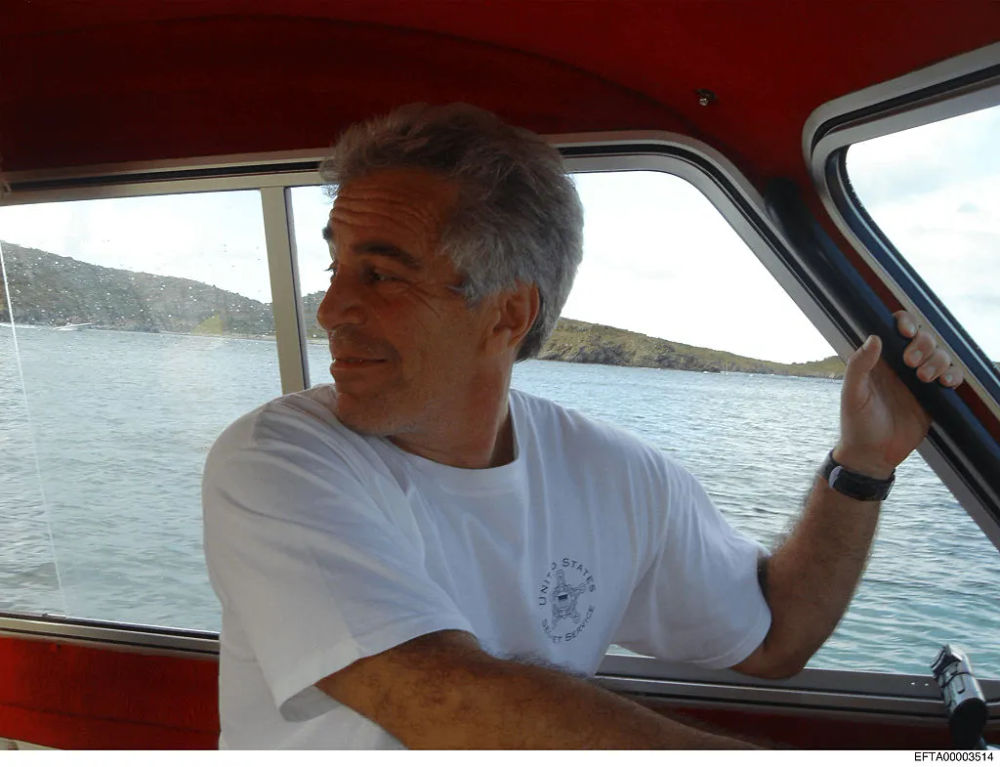
Mexico appears repeatedly in released files
Mexico is referenced multiple times across the newly released documents. They include descriptions of travel to Mexican destinations, mentions of parties, and broader allegations involving criminal networks that allegedly operated across borders.
Among the documents is a complaint received by the Federal Bureau of Investigation on July 19, 2019. At that time, Epstein was already in custody in New York, weeks before his death.
The complaint was filed by a U.S. citizen identified as Kenneth Darrell Turner, who alleged the existence of a child sex trafficking network involving Richard Marcinko, a former commander of the U.S. Navy SEALs, and Earl Wayne Anthony, a former U.S. ambassador to Mexico.
According to Turner’s statement, he and Mexican federal police allegedly discovered a “vault” containing approximately 10,000 videos involving minors from Guatemala, Honduras, and Mexico, as well as girls described as white who were allegedly brought to Mexico from South Africa. These claims are presented in the documents as allegations only.
Allegations lack supporting evidence
Turner further claimed that at one of Marcinko’s secret locations, he and Mexican authorities found sexual tapes and videos that included Epstein, which he said were intended to be used for blackmail. He also asserted that he spoke directly with then Mexican president Andrés Manuel López Obrador about his findings.
In the written report, Turner is quoted as saying that the Mexican president gave him approval to contact the FBI and share the information. Another FBI document dated October 9, 2019, notes that Turner said he was working with Mexican authorities and a former African official.
The same report records Turner’s claim that Marcinko was in Mexican custody on charges related to child sexual abuse and that a Mexican official identified only as “Jorge” possessed recordings involving Epstein and other U.S. citizens.
However, the FBI agent who authored the report explicitly stated that Turner did not provide any evidence to support these allegations. The documents do not indicate that the claims were substantiated, prosecuted, or led to formal charges based on the information Turner provided.
For readers in Tulum, this distinction is critical. The town’s name appears in the broader context of Epstein-related disclosures, but the documents repeatedly underline that many of the most serious claims remain unverified.

Separate complaint mentions the Sinaloa cartel
Another document included in the release relates to a separate complaint filed with the FBI on June 11, 2021. In that statement, a person claiming to be a former member of the Sinaloa Cartel alleged possession of recordings involving Epstein and Donald Trump.
According to the document, the complainant claimed the recordings captured discussions about marketing strategies for sexual parties involving minors at a Trump golf course. The individual also alleged witnessing violent crimes during such events.
As with the other complaints, the document presents these statements as unverified allegations. The release does not indicate that the FBI confirmed the claims or that the recordings were authenticated.
Epstein’s contact with a Mexican billionaire
The documents also reference Epstein’s interaction with Mexican businessman Ricardo Salinas Pliego, owner of TV Azteca and Grupo Salinas.
In an email dated April 15, 2016, Epstein wrote that he had sat next to Salinas Pliego at a dinner organized by literary agent John Brockman two years earlier. Epstein described Salinas Pliego as having a 300-person security team for his family and mentioned that the businessman told him he owned an island.
The email reflects Epstein’s own account of the encounter and does not include any response or confirmation from Salinas Pliego. There is no indication in the documents that the meeting involved illegal activity.

Why Tulum appears in global disclosures
Tulum’s presence in the newly released files highlights how the town had already become a recognizable international reference point by the mid-2010s. For residents, business owners, and local officials, the issue is not that Tulum is accused of wrongdoing, but that its name appears in correspondence tied to one of the most notorious criminal cases of the past decade.
The documents do not accuse Tulum authorities, institutions, or residents of participating in crimes. They do, however, reflect how individuals connected to Epstein viewed Mexico, including Tulum, as part of a broader network of travel, investment ideas, and social activity.
The Tulum Times notes that the release underscores the importance of distinguishing between verified facts, unproven allegations, and casual references in large-scale document disclosures. The presence of Tulum in the files does not imply legal responsibility or confirmed events on the ground.
What changes after the release
At this stage, the release does not announce new investigations or actions involving Tulum or Mexico. The immediate change is informational. Documents that were previously sealed or inaccessible are now public, allowing journalists, researchers, and authorities to examine them.
For Tulum, what is at stake is reputational clarity. As international media and online platforms review the documents, the town may be mentioned in summaries or headlines without context. Understanding what the documents actually say, and what they do not prove, becomes essential.
The primary keyword remains Jeffrey Epstein Tulum.
We’d love to hear your thoughts. Join the conversation on The Tulum Times’ social media.
How should communities respond when their names appear in global investigations without evidence of local wrongdoing?