
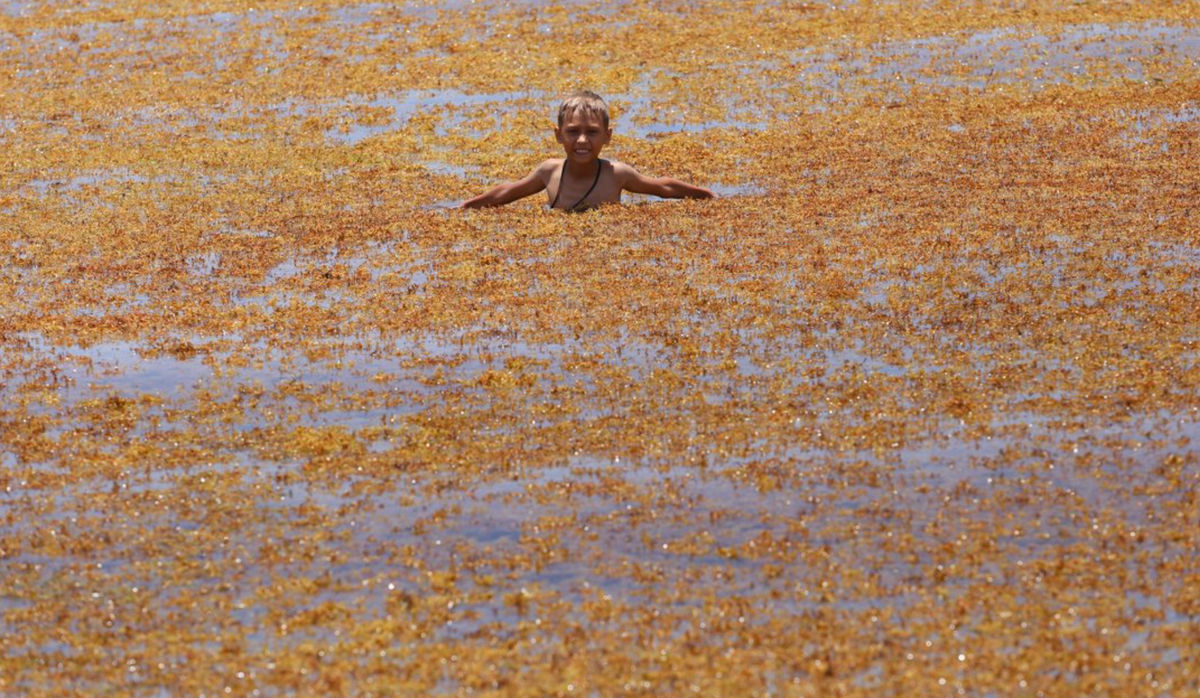
The relentless tide of **Sargassum Seaweed in Quintana Roo** continues to threaten the idyllic beaches and lucrative tourism industry of Mexico’s Caribbean coast. Reports from June 2025 paint a grim picture: the seaweed influx shows no signs of abating, and businesses, communities, and local officials scramble for lasting solutions to a problem that’s been years in the making. David Ortiz Mena, a prominent Quintana Roo hotelier, has publicly called for structural changes, asserting that the existing methods of battling the sargazo, such as makeshift collection, are insufficient.
### Calls for a Dedicated Fund
Ortiz Mena’s proposal is ambitious, outlining the creation of a state fund to address natural disasters and establish a transparent trust for managing resources. This would be funded by taxes levied on cruise ship passengers. He underscored that the current resources available through the Zona Federal Marítimo Terrestre (Zofemat) and the Environmental Sanitation Tax are underutilized or mismanaged by municipalities. The Association of Hotels of Tulum and the Riviera Maya has already been advocating for a trust backed by the local mayor, Diego Castañón, since 2021. Ortiz Mena expressed his hope that this trust becomes operational as soon as possible.
### The Scramble for Solutions
The crisis has pushed the local government to explore alternative approaches. Oscar Rébora, the Secretary of Ecology and Environment (SEMA), has openly acknowledged that the state’s allocated budget of 130 million pesos for sargazo removal in 2025 is inadequate. As a result, the state intends to redirect resources from the Environmental Sanitation Tax, aiming to harmonize efforts with municipalities across the region. This shift in strategy is indicative of the growing complexity of managing the sargazo. Moreover, Ortiz Mena requested that designated areas near the most frequented beaches should be set up to dispose of the seaweed and keep the beaches clean.
The impact of sargazo is far-reaching, affecting not only the aesthetic appeal of the beaches but also the economy. The tourism industry is a cornerstone of Quintana Roo, and the arrival of sargazo has the potential to deter visitors, causing economic losses. As the frequency and intensity of the sargazo influx continue to rise, the creation of a dedicated fund and a transparent fiscal responsibility are urgent priorities. Ultimately, the long-term financial security depends on the ability of both public and private entities to work together to protect the precious natural resources that draw millions of visitors each year. The state’s current plan to divert existing funds may be a short-term strategy, but a systemic remedy requires continued innovation and sustained investment.
We’d love to hear your thoughts, join the conversation on The Tulum Times’ social media.