

Just past the rustling mangroves and sun-streaked lagoons of Tulum, where the Caribbean light turns wild at dusk, there’s a place that has long whispered a different kind of story. One of restraint, of guardianship, of balance. Now, that story has been heard around the world.
At the 2025 International Green Destinations Conference, the Sian Ka’an Biosphere Reserve was awarded top honors in the “Nature and Landscape” category, a global nod to its rare harmony between ecological preservation and community-driven livelihoods. It’s not just another win for Quintana Roo. It’s a reminder of what’s still possible in a world sprinting toward collapse.
From survival to stewardship
You can’t talk about Sian Ka’an without acknowledging the quiet force behind its resilience: people. Specifically, 15 local cooperatives, eleven focused on eco-tourism, four on sustainable fishing, who have spent years proving that preservation doesn’t have to come at the cost of prosperity.
It’s a radical idea, really. In a region where tourism often bulldozes first and asks questions later, these cooperatives do the opposite. Their nature tours don’t intrude, they invite. Visitors drift silently through narrow canals, eyes peeled for herons or crocodiles, guided by locals who’ve known these waters since childhood. Meanwhile, fishers cast selective nets, work within quotas, and honor seasonal bans. Not because someone told them to, but because they understand what’s at stake.
“Every species we protect is a promise to the next generation,” said one cooperative leader at the award ceremony, a quote that could easily become a rallying cry for sustainable tourism across Mexico.

What makes Sian Ka’an different
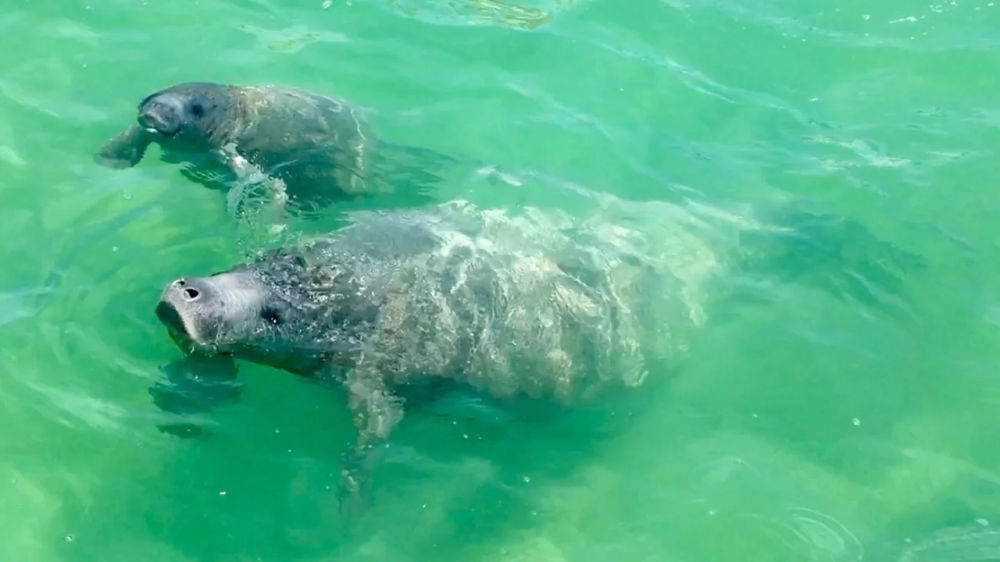
Stretching over 528,000 hectares, Sian Ka’an isn’t just big, it’s biologically rich to the point of staggering. We’re talking about lush tropical jungles, mirrored wetlands, dense mangroves, coral reefs, and coastal lagoons, all overlapping in a tangled mosaic of life. This is where jaguars still roam and manatees nose through warm estuaries. Where tapirs leave footprints in the mud, and migratory birds from three continents stop to rest.
Designated a UNESCO World Heritage Site in 1987, the reserve has long held international status. But this new recognition from Green Destinations hits differently, because it acknowledges not just the landscape, but the human hands that care for it. According to The Tulum Times, the distinction is as much about management as it is about beauty.

A model under pressure
Let’s not romanticize it. The challenges are real and multiplying. As Tulum stretches further inland and upward with unchecked development, the reserve is constantly at risk. Runoff seeps into aquifers. Illegal construction nibbles at the edges. Climate change tightens its grip with hotter days and less predictable rainfall.
And yet, Sian Ka’an holds firm, or tries to. That’s due in large part to the work of the Comisión Nacional de Áreas Naturales Protegidas (CONANP) and the grassroots cooperatives that support it. Together, they’ve built a blueprint that other destinations, Cancún, Playa del Carmen, even parts of the Yucatán interior, could learn from.
It’s not perfect. But it works. And that’s saying something.

Tourism that gives back
Let’s rewind to a Tuesday morning last March. A small boat drifts down a narrow channel lined with orchids and tangled vines. Onboard, a guide named Felipe points to a bird overhead, a roseate spoonbill. The tourists snap photos, then put down their cameras. They’re listening now, as Felipe explains how mangroves act as carbon sinks and natural hurricane barriers. He doesn’t rush. He knows this tour isn’t just about spectacle. It’s about connection.
Later, back at the dock, someone asks how long he’s been doing this.
“Since I was a kid,” he says. “But back then, it was fishing. Now, it’s both, and it’s better for the lagoon.”
This is what sustainable tourism can look like, a loop where economic gain doesn’t bleed the environment dry, but replenishes it.

Recognition that matters
The Green Destinations award does more than decorate a press release. It gives visibility to a philosophy of coexistence that’s often overshadowed by resort towers and Instagrammable cenotes. It tells the world that Quintana Roo isn’t just a playground, it’s a laboratory for sustainable development.
Environmental officials say this recognition “reaffirms the essential role of local communities in the defense of biodiversity.” And they’re not wrong. Without the will and wisdom of the people who live here, the reserve would likely have gone the way of so many other “protected” areas: protected in name only.
The Tulum Times sees this as more than a celebratory moment. It’s a call to fund, protect, and replicate this model elsewhere, before it’s too late.
What’s next for Sian Ka’an?
With its profile raised, the reserve could attract more funding, more international attention, and yes, more visitors. But with visibility comes risk. The pressure to expand, to monetize, to “develop responsibly”, a phrase that too often masks exploitation, will intensify.
The big question now is: Can Sian Ka’an scale its model without breaking it?
That depends on whether government agencies, tourism operators, and travelers themselves are willing to follow the lead of those who have been protecting these waters and forests for decades. And whether Mexico, in the face of mounting ecological crises, can double down on models that actually work.
Because if a place like Sian Ka’an falls, even slowly, even quietly, what hope is left?
This is more than just a conservation success story. It’s a test. One that the Riviera Maya, and all of us who love it, can’t afford to fail.
We’d love to hear your thoughts. Join the conversation on The Tulum Times’ social media.
What do you think are the biggest threats, and solutions, for sustainable tourism in Mexico?