

The beaches of Tulum aren’t just postcard material. They’re sacred ground, livelihoods, and a birthright, yet for years, locals have watched them slip behind security gates and velvet ropes. Now, a quiet storm is building. And it’s coming from the people who live here.
On September 8, during a tense press conference, Tulum’s municipal president, Diego Castañón Trejo, stood behind a microphone and made a promise: access to the beaches inside Jaguar National Park will be free. Not someday. Not theoretically. But soon. It’s a statement that carries more weight than sand in wet shoes, especially in a region where public access is often more myth than policy.
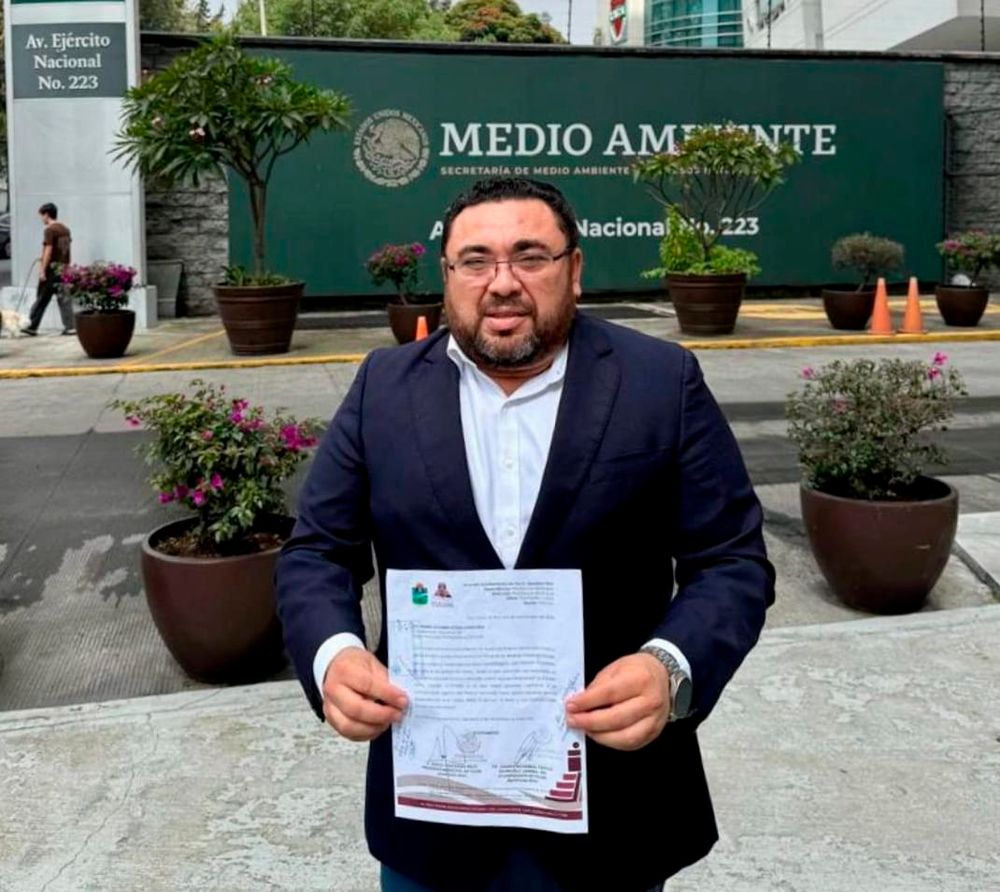
The push is backed by official moves. Jhony Mosnreal Padilla, Secretary General of the Ayuntamiento, has been in Mexico City, armed with documentation and knocking on the doors of institutions like SEMARNAT, CONANP, INAH, and Grupo Mundo Maya. The goal? Unclog the bureaucratic pipeline that has kept beach access tangled in red tape.
“This isn’t just a promise, it’s a fight for dignity,” said Castañón Trejo, nodding to the political support from Governor Mara Lezama and Secretary Cristina Torres.
When Paradise is Fenced Off
Tulum’s coastline is more than a tourist magnet. For over 300 local families who make their living through commerce and tourism near the archaeological zone, it’s a lifeline. But that lifeline has been narrowing.
One proposed solution could change the entire game: opening a new beach access through the main avenue, near the ruins. It’s a move that could revive the pulse of the local economy and make the beaches feel like home again, rather than a resort brochure that locals can only look at from a distance.
A woman named Alma, who sells handmade jewelry at the edge of Avenida Cobá, summed it up without blinking: “My children were born here. And yet I have to beg to take them to the sea?”
It’s a quiet pain that doesn’t make headlines, but it shapes lives.
Riviera Maya’s Uneven Sands
Tulum’s struggle echoes a broader pattern in the Riviera Maya, where beach privatization has become the new normal. From Cancún to Playa del Carmen, glossy developments often cut through ancestral lands, pushing access points further away from everyday people.
Yet something feels different this time. Perhaps it’s the political backing. Perhaps it’s the public pressure. Or maybe it’s because Tulum, despite its glossy facade, still belongs to its people.
At the heart of it all is Jaguar National Park, an ambitious environmental and cultural project that now sits at the intersection of preservation and public access. And the stakes aren’t abstract. They’re painfully tangible.
The latest request from the municipal government, already in federal hands, includes formal approval for access via the “traditional entrance” on the park’s north side. Officials hope for a response within 30 days. If granted, it could open the floodgates, both literally and symbolically.

The Politics Beneath the Sand
Not everyone agrees on the pace, or the process.
With a citizen protest called for September 14, tensions are rising. But Castañón Trejo was quick to clarify: the movement isn’t coming from “Playas Libres,” the longstanding grassroots group. He urged residents not to politicize what he says is already being resolved through formal channels.
“We’re making progress,” he insisted. “Please don’t tear down what we’ve built. This is for all of us.”
His tone walked the line between optimism and exasperation, one that’s familiar to anyone who’s spent time dealing with layered Mexican bureaucracy.
There’s no denying that political will, public pressure, and institutional backing are colliding. And in that collision, there’s an opportunity. One that could redefine how Tulum’s development interacts with its soul.
Why This Moment Matters
The implications go far beyond one park or one beach. If successful, Tulum’s push could create a model for Mexican tourism that’s not just sustainable, but inclusive.
Imagine if Quintana Roo became known not only for its turquoise waters but for its equitable policies. If locals no longer had to find workarounds just to walk the same shores that tourists pay thousands to visit.
The Tulum Times has followed this issue closely. In covering these beach access debates, one thing is clear: the story isn’t just about sand and sea. It’s about who belongs, and who decides.
“In Tulum, the beaches aren’t just where we go. They’re who we are.”
It’s not yet clear how this chapter ends. But what is clear is that a door is opening. And behind it is the possibility of a more just coastline.
Will the gates to paradise finally swing open for all?
We’d love to hear your thoughts. Join the conversation on The Tulum Times’ social media.
What role should public pressure play when it comes to reclaiming access to natural spaces?