

Travelers seeking spiritual growth have made Tulum a beacon of modern wellness tourism. Here, yoga retreats, ancient temazcal sweat lodge ceremonies, sound baths, meditation workshops, and even plant medicine rituals like ayahuasca converge against a backdrop of Maya heritage. As this coastal town rides a wellness boom, it grapples with balancing cultural authenticity, community benefits, and environmental sustainability.
In the half-light before dawn, a dozen figures quietly unfurl their yoga mats at an open-air pavilion in Tulum. As a soft chant begins, they move through sun salutations guided by an instructor’s calm voice. This isn’t merely a morning stretch; for many travelers here, such sunrise yoga has become a sacred ritual in a journey of inner exploration. By midday, some will trade the mat for the darkness of a temazcal – crouching inside a traditional Maya sweat lodge as steam and ancient songs swirl around them. And come nightfall, others will lie beneath the stars for a sound bath, letting waves of crystal-bowl tones wash over them in meditation.
Welcome to spiritual tourism in Tulum, a booming facet of travel in this once-sleepy corner of the Yucatán. Visitors from around the globe now flock here not just for sun and sand, but to seek spiritual growth and healing. Many come for week-long yoga retreats in Tulum or intensive meditation workshops, hoping to reconnect with themselves. The allure of ceremony and energy draws others: temazcal sweat lodges guided by Maya healers, ecstatic dance gatherings beneath the moon, sound healing sessions in jungle caves, or shamanic plant medicine ceremonies involving ayahuasca. What was decades ago a quiet haven for backpackers and bohemian yogis has transformed into a world-renowned center of wellness travel in Mexico, one that mingles ancient traditions with modern holistic practices.

But Tulum’s evolution into a spiritual mecca also raises questions. As healing rituals become tourist itineraries, locals and visitors alike ask: How can the town nurture authenticity over commercialism? Who truly benefits from this wellness economy? And can Tulum’s fragile environment sustain this wave of enlightenment-seekers? The answers are as complex as the experience, intertwining cultural revival with concerns about sustainability, and personal transformation with community impact.
A Haven for the Soul in the Yucatán
The Yucatán Peninsula has been steeped in spiritual significance for centuries, and Tulum carries a mystique that predates modern wellness travelers. The ancient Maya built a city on these shores and revered nearby cenotes (water-filled sinkholes) as sacred portals to the underworld. While Tulum remained a tiny fishing village until recent decades, locals say it was always special. Some Maya elders refer to this area by a name meaning “the place where wisdom is nurtured,” hinting at a legacy of learning and healing rooted in the land’s history.
The modern wave of spiritual tourism began quietly in the late 20th century. By the 1990s, a trickle of adventurous souls – yogis, artists, seekers – were drawn to Tulum’s off-grid simplicity and rumored energy. Yoga classes under thatched palapas and full-moon drum circles on the beach were early hallmarks of a countercultural haven. Over the past two decades, that trickle became a flood.

Today, Tulum hosts internationally noted yoga festivals, holistic workshops, and an ever-growing roster of retreats. Local boosters even dubbed it the “World Capital of Yoga,” reflecting how central wellness has become to its identity. Mexico saw double-digit growth in wellness travel through the 2010s, and Tulum stands at the forefront of this boom.
What sets Tulum apart is the palpable blend of global and local influences. On any given day, one might practice Kundalini yoga with a teacher from Los Angeles in the morning, then learn about Maya meditation or astrology from a community elder by evening. It is a place where a high-end spa offering crystal healing coexists with humble, smoke-filled ceremonies led by village shamans. This fusion gives Tulum a unique role as a haven of personal renewal and a stage where tradition and trend meet.
Yoga Retreats and Mindful Movement
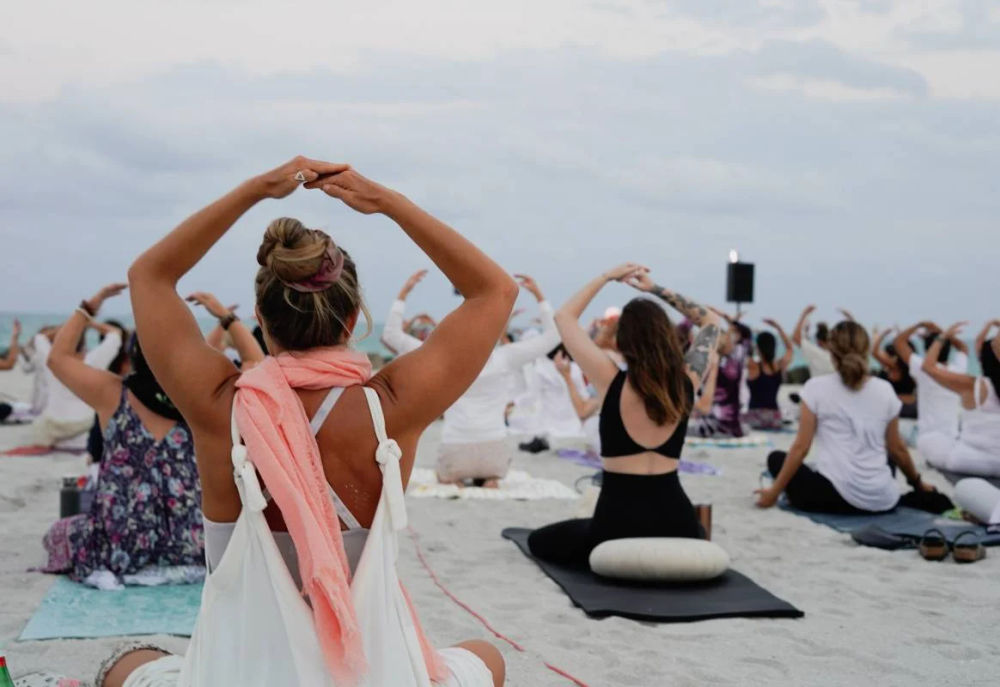
As the sun rises, dozens of yoga studios and retreat centers come alive with chanting om and the scent of copal incense. Yoga retreats in Tulum have become a cornerstone of the town’s identity, drawing both curious beginners and seasoned yogis to practice in an idyllic natural setting. Mornings often begin with dynamic Vinyasa flows or gentle Hatha sessions in open-air shalas, followed by afternoons of breathwork, journaling, or workshops on everything from Ayurveda to stress management. Multi-day retreats turn these routines into transformative journeys. Guests might start the day with beachside sun salutations, break for a lunch of fresh local fruits and ceviche, and close the evening with yin yoga or a guided meditation under the stars.

Meditation and mindfulness workshops are equally woven into Tulum’s fabric. It’s not unusual for travelers to join a sunset meditation on a wooden platform overlooking a cenote or attend a mindfulness circle at a jungle wellness camp. These sessions aim to help visitors disconnect from digital life and tune in to the present moment. One evening, you might find a group practicing silent Vipassana meditation deep in the jungle. The next morning, a sangha (community) gathers in town to discuss Buddhist teachings over herbal tea. The common thread is a desire to slow down and cultivate inner peace, a welcome counterpoint to Tulum’s high-energy nightlife.
The appeal of Tulum’s yoga and meditation scene lies in its gentle yet profound impact. Many participants speak of life-changing experiences: emotional breakthroughs on the mat or moments of clarity while gazing at a candle flame during meditation. Boutique wellness hotels like Amansala and Yäan Healing Sanctuary have built reputations on blending the physical and the spiritual. A typical day in these retreats might pair a sweaty morning yoga class with an afternoon clay detox using Mayan mud, then a restorative sound meditation before bed. It’s a holistic approach, treating travel not as an escape but as a catalyst for personal growth.
Temazcal: Ancient Heat, Modern Healing
Few of Tulum’s offerings are as intense or rooted in local tradition as the temazcal ceremony. This ancient Mesoamerican sweat lodge ritual has surged in popularity among visitors craving a truly indigenous experience. Tucked away in gardens or deep in the jungle, a temazcal is typically a small domed hut made of stone or adobe. Participants crawl through a low opening and sit in a circle inside the pitch-black lodge as the temazcalero (guide) pours water over glowing hot volcanic stones. Herbal steam, often scented with basil, rosemary, or copal incense, quickly thickens the air. Over the next two hours, the guide leads chants and prayers, occasionally inviting everyone to share intentions as the heat intensifies.

A temazcal usually unfolds in stages, called “doors” or rounds. A flap on the lodge is lifted between each round to let in fresh air and relieve the searing heat. Inside the darkness, it’s a journey of body and spirit. The extreme temperature and the womb-like symbolism of the space push participants beyond their comfort zone. It’s common to hear sobbing, laughter, or whispered confessions mingling with the hissing steam. When the final door opens and participants finally emerge, often pouring cool water over themselves or rolling on the grass, they do so with a palpable sense of relief and rebirth.
“I felt like I left an old part of me in there,” one newly initiated guest murmured afterward, wrapped in a towel after a cooling dip in a nearby cenote. That simple statement captures the mix of exhaustion and euphoria that often follows a temazcal, as if layers of more than just sweat have been shed.
The cultural significance of the temazcal is not lost in these modern-day ceremonies. Many guides in Tulum incorporate Maya prayers or traditional songs and explain the meaning behind each ritual element (for example, the hot stones are referred to as abuelas, or grandmothers, symbolizing ancestral wisdom). In many cases, the revival of temazcal ceremonies for tourists has empowered local Maya healers to share their heritage with a broader audience. Still, visitors are urged to choose their temazcal experience wisely. With the ceremony’s popularity, some spas or untrained individuals offer watered-down sweat lodge sessions that feel more gimmicky than sacred. Knowledgeable travelers seek out temazcales run by respected families or cooperatives, where elders have passed down the practice, and avoid those that prioritize quick thrills or photo ops over safety and authenticity.

Done with reverence, a temazcal in Tulum can be a profound cultural exchange. Travelers support local healers economically, and in return, gain a visceral understanding of Maya spirituality. Before the ceremony begins, participants are often asked to state an intention or offer a small gift to the fire (tobacco, cacao, or flowers in gratitude). Such touches reinforce that even as the temazcal becomes a “must-do” item on Tulum’s tourist list, it remains a ritual of purification and connection, one that carries echoes of a time long before wellness was a global trend.
Sound Healing and Energy Work
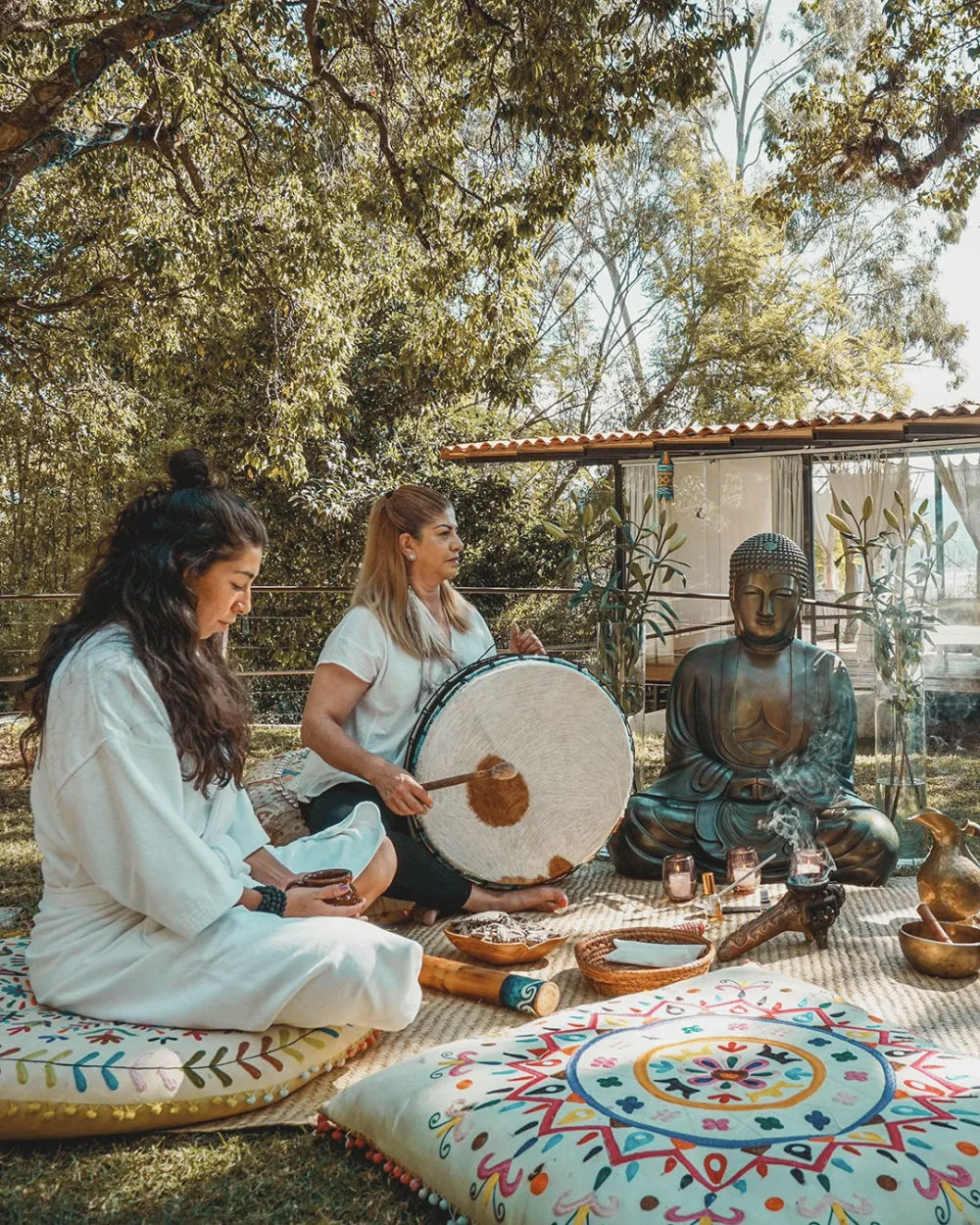
Tulum offers a symphony of sound healing sessions and energy therapies for those who prefer gentler modalities. In recent years, sound baths have become a favorite evening activity. Imagine lying on a mat in a dimly lit dome or on the soft sand. At the same time, practitioners move among participants with gongs, Tibetan singing bowls, crystal bowls, and perhaps a didgeridoo. The vibrations from these instruments wash over the group in waves. Listeners often drift into a deep meditative state; some say the tones feel like “vibrating through every cell,” dissolving stress and fear. One especially enchanting variation is a sound bath held in a cave cenote, where the natural acoustics cause each note to resonate tenfold, creating an immersive echo chamber of calming frequencies.
Alongside sound therapy, energy balancing practices are thriving. At many Tulum wellness studios, you can book a Reiki healing session to align your chakras and clear emotional blockages. Practitioners use light touch (or even a hands-off aura technique) to channel what they describe as universal life energy, often leaving guests in tears of release or blissful calm. Other offerings include crystal healing – placing gemstones on the body’s energy centers – and aura cleansing rituals with copal smoke and feather fans. There are also chakra workshops blending movement, breathwork, and visualization, guiding participants through energy centers from root to crown.

What makes Tulum’s approach to sound and energy work special is often the setting. A Reiki treatment might occur in a treetop room open to jungle breezes, and a nighttime sound bath might convene around a bonfire by the sea. Nature is not just a backdrop but an active participant – the rustle of palm leaves or a chorus of frogs often joins the healing soundtrack. Even skeptics find themselves softening here. It’s hard to remain cynical when lying beneath the Milky Way after an hour of singing bowls, feeling unexpectedly connected to everything around you. In Tulum, even esoteric healing arts are delivered with a heartfelt earnestness that encourages visitors to let down their guard and perhaps experience “energy” in a new way.
Plant Medicine Journeys
Tulum has also joined the global wave of interest in plant medicine ceremonies, adding a more intense dimension to its spiritual menu. Chief among these is ayahuasca. However, native to the Amazon, ayahuasca – a powerful hallucinogenic tea – has found its way here via traveling shamans and facilitators who meet the growing demand. In secluded jungle retreats or private villas, small groups gather at night for ceremonies that can last until dawn. After prayers and intentions are set, each participant drinks the thick, bitter brew. What follows is an inward journey that is often as challenging as enlightening. The ayahuasca induces visions that can be, by turns, beautiful, confounding, and cathartic. Many participants purge (yes, vomit) during the night – an expected part of the cleansing process in this tradition. Shamans sing haunting icaros (medicine songs), which are believed to guide and protect each person through the voyage.
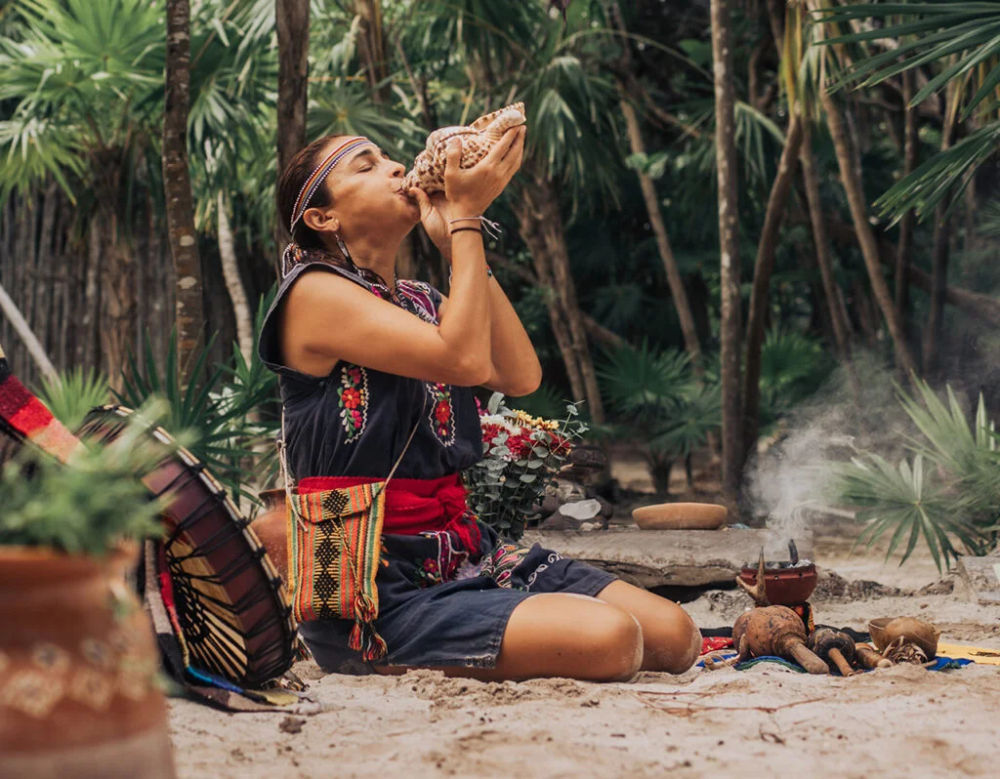
Despite the intensity, ayahuasca has a strong draw. Circles in Tulum attract a diverse range of seekers. Backpackers curious about consciousness might sit beside professionals seeking relief from burnout, or trauma survivors looking for breakthroughs where conventional therapy fell short. They are lured by stories that one night with “Grandmother Ayahuasca” (as the brew is affectionately called) can catalyze months’ worth of insight. Some emerge from the ceremony claiming profound transformations – confronting long-buried emotions, finding forgiveness, or gaining a renewed sense of purpose. Others describe a hard-to-articulate catharsis, followed by a gentle clarity in the days after. Either way, all agree it’s not a journey to undertake lightly. Responsible facilitators in Tulum require careful preparation (adhering to special diets, abstaining from alcohol or other substances beforehand) and provide integration support afterward to help participants process what they experienced.
Ayahuasca isn’t the only plant-based ritual around. Some retreats offer San Pedro cactus ceremonies (a heart-opening, mescaline-based experience from the Andes) or guide small-group psilocybin mushroom journeys in the jungle. Cacao ceremonies have become a widespread introduction to sacred plant rituals on the gentler side. In a cacao ceremony, participants gather in a circle to drink pure cacao – the same bean that chocolate comes from, but in its raw, ceremonial form – often blending it with spices while sharing intentions and music. Cacao is not psychedelic, but it is a mood enhancer that many say opens the heart; people often leave these circles feeling uplifted, emotionally warm, and connected to those around them, all without the intensity (or nausea) of something like ayahuasca.

With the rise of plant medicine experiences, conversations about safety and respect have become vital. Using powerful sacred substances in a foreign place carries risks, and not every self-proclaimed shaman has the knowledge or integrity one would hope for. The encouraging news is that Tulum’s wellness network is tight-knit, and word travels fast. Seasoned travelers and locals freely share tips on which facilitators are trustworthy. Many established retreat centers partner with indigenous healers from Mexico, Peru, or Brazil who carry long family lineages with these medicines. There’s also a subtle increase in oversight; local authorities, mindful of keeping Tulum’s reputation positive, have shown interest in ensuring that such ceremonies are conducted responsibly. The ethos emphasized is to treat these rituals with the reverence they deserve, approach them with humility, and ensure proper safeguards (like trained assistants and medical plans) are in place. If done correctly, plant medicine ceremonies in Tulum can profoundly move milestones in a person’s life. However, the community here is clear that they are not to be approached as just another trendy experience off the shelf.
Balancing Authenticity and Commercialization
The spiritual scene in Tulum exists within the reality of a trendy tourist town, bringing inevitable commercialization. On the town’s lively beach road, chic boutiques sell sage bundles, yoga wear, and crystals, and glossy posters advertise the next “transformational festival.” It’s easy to find a $300-a-night luxury retreat promising instant enlightenment alongside its infinity pool. This blending of commerce and the sacred can feel jarring. For every traveler having an earnest breakthrough in a ceremony, there might be another snapping selfies at a sound bath because it looks good on social media. Locals sometimes dub a segment of the visitors the “Tuluminati” – a tongue-in-cheek term for the globe-trotting wellness set that descends with designer mats and big budgets. The question hanging in the incense-scented air: can a place so in vogue for spirituality keep it real?

Indeed, there are moments in Tulum that raise eyebrows. Think of a self-styled shaman in designer sunglasses charging top dollar for a “quick chakra cleanse,” or a sacred ceremony conveniently shortened to fit a resort spa schedule. The term “Instagram shamans” gets tossed around to describe those who seem more focused on marketing mystique than mastering it. Cultural appropriation is another concern. Elements of Maya ritual or other indigenous traditions can be cherry-picked and remixed to cater to tourists, sometimes stripping away their context or depth. It’s one thing to burn a bit of copal incense in welcome; it’s another to turn a complex ancestral ceremony into a feel-good drop-in class devoid of its original meaning.
And yet, scratch the surface and you’ll find that authenticity still thrives in Tulum – often quietly, beneath the glossy veneer. Many faithful spiritual elders and teachers here aren’t advertising on Instagram; they’re known by word of mouth and sought out by those genuinely interested in learning. Some are indigenous Maya healers who have slowly, carefully begun sharing their practices with outsiders in a controlled way. Others are foreign practitioners who came to Tulum decades ago and earned the trust of local mentors, and now run low-profile retreats or circles that stay true to the traditions. They form a backbone to the community that keeps things from floating entirely into fluff. A visitor determined to find these genuine experiences will see them: it might happen in a humble backyard ceremony lit by candles, or through a recommendation that leads to a respected elder’s home. The language may differ in those spaces, and the setting may be less polished, but the sincerity is unmistakable.

Tulum’s community openly grapples with the intersection of spirituality and business. At local wellness gatherings, it’s common to hear conversations about maintaining integrity. How do we honor the Maya roots of many practices and ensure local wisdom-keepers are respected and compensated? How can the town set standards so healing isn’t just another commodity? Tulum’s veteran wellness mentors encourage visitors to learn rather than consume, to understand the meaning behind a temazcal or a despacho (offering ceremony), to participate with humility and gratitude rather than treat it as a bucket-list item.
Interestingly, the high demand from visitors has also pressured serious practitioners to raise their game. Many are doubling down on credibility: training directly under indigenous maestros, earning certifications in yoga therapy or trauma-informed care, and adopting clear ethical guidelines for their services. The commercial spotlight has pushed the truly dedicated healers to shine brighter, using authenticity as their calling card. The most reputable temazcaleros, for instance, will emphasize their lineage and their community’s involvement. Acclaimed yoga schools highlight local collaboration and karma yoga (service) projects that give back to Tulum. In this way, authenticity becomes a moral stance and a selling point.
For travelers, discernment is the key to navigating Tulum’s mix of the sacred and commercial. In this town, you can find the profound and the superficial right next to each other. A glitzy raw vegan café might be a tourist trap, or it might unexpectedly lead you to a flyer on the bulletin board for a genuine healing circle in a nearby village. Those who do some homework, ask locals for advice, and trust their intuition tend to come away with more meaningful experiences. They leave Tulum not only with souvenirs or spectacular photos, but often with new knowledge and genuine connections. At its best, spiritual tourism here still delivers something real amid the hype: perhaps a deeper appreciation for Maya culture, a lasting practice like meditation to bring home, or an inner shift that doesn’t appear on Instagram but resonates long after the trip ends.

Community Impact and Local Perspectives
The wellness tourism boom has undeniably transformed Tulum’s social and economic fabric. A generation ago, this was a humble coastal village; now it’s a magnet for seekers, and local livelihoods have shifted accordingly. On the positive side, the influx of visitors has created jobs and entrepreneurial ventures in a place that once had limited opportunities. Young locals have trained as yoga instructors, massage therapists, translators, and tour guides. Others have opened juice bars, holistic spas, or small shops selling organic soaps, locally crafted incense, and dreamcatchers. Tourism means a steadier income for many families than fishing or subsistence farming once did. In fact, from 2019 to 2022, the number of formal jobs in Tulum jumped dramatically (by some estimates over 70%) – a tangible reflection of how demand for hotels, classes, and tours has translated into employment.
Yet, like any boom, not everyone shares equally in the bounty. The cost of living in Tulum has soared with its popularity. Trendy cafés that charge in dollars and boutique hotels with nightly rates higher than a month’s local wage have introduced a stark economic divide. Housing is a particular challenge: land that used to be scrub jungle or family plots is now snapped up by developers at prices unimaginable ten years ago. Many workers who staff the wellness industry – the hotel maids, the kitchen hands, the gardeners – can no longer afford to live near the tourist zones. They commute from outlying neighborhoods or nearby towns, where housing is cheaper (often without basic infrastructure like reliable water or electricity). It’s not an uncommon sight: by day, visitors relax in a $100 yoga class or sip a $12 green juice, and by night, the people who made those things possible return to cramped quarters on the edge of town. The contrast can be jarring, and it fuels an ongoing conversation about how to make Tulum’s growth more inclusive.
Importantly, the community is not blind to these disparities. There’s a budding movement to ensure that spiritual tourism benefits more than a select few. The travelers themselves drive some of this effort: the kind of folks drawn to yoga and mindfulness retreats often care about social justice and ask pointed questions about where their money is going. They prefer tours run by local cooperatives or hotels with a social mission. In response, many wellness businesses have made community support part of their ethos. It’s increasingly common for retreat centers to employ and train residents in skilled positions (as yoga assistants, wellness cooks, etc.), not only in cleaning and maintenance roles. A few yoga training programs offer scholarships for local youth, bridging an inclusion gap. One notable example is a collective of expatriate and Mexican yoga teachers running free classes for Tulum’s schoolchildren, introducing mindfulness and offering an after-school activity that keeps kids engaged and maybe even opens career paths for them down the line.
On a broader scale, local initiatives are looking at long-term solutions. Workshops and free courses help residents improve their English and hospitality skills, empowering them to advance in the tourism job market. There’s talk of fostering more community-based tourism, where visitors can stay in a Mayan village homestay or join local families for traditional cooking and farming, ensuring tourism revenue flows directly to those communities. Some tour operators already practice this: they bring small groups to meet artisans in inland villages or arrange for guests to learn fishing from cooperatives, with proceeds going straight to those hosts. Such experiences give tourists a richer understanding of the region and distribute income beyond the Tulum bubble.
Local opinions about Tulum’s rapid change are varied and nuanced. Older residents sometimes reminisce about the quieter days and worry that something intangible has been lost amid all the construction and parties. At the same time, many acknowledge that tourism has brought improvements: better roads, more schools, access to the internet, and a broader worldview for the younger generation. There’s pride too – pride that this once-quiet pueblo now has global recognition, that people travel worldwide to experience culture and wellness. For instance, a young Mayan taxi driver might tell you he’s proud to teach a few words of his ancestral language to foreigners he drives, something he never imagined doing. A local woman who opened a small café offering traditional Mayan herbal teas can now support her extended family, blending old knowledge with new business.
If one exists, the consensus seems to be that balance is key. Tulum’s community leaders, from the municipal government to grassroots organizers, frequently discuss how to manage growth so that it doesn’t erode the very community that makes this place authentic. There are calls for more investment in affordable housing, better public transportation, and infrastructure that serves locals and tourists. Some progress is being made – a new public hospital here, a scholarship fund there – often with the support of businesses that recognize their long-term success is tied to the community’s well-being. The underlying sentiment aligns closely with the ethos of yoga that permeates the town: interdependence. Just as yoga philosophy teaches that individual well-being is connected to the well-being of all, many in Tulum are coming to see that the city can’t truly flourish as a healing destination unless its people are thriving. In this way, the influx of spiritual tourism is prompting Tulum to take a hard look at itself and, ideally, to grow in a direction that supports both the seekers and the hosts.
Environmental Mindfulness in Wellness
Tulum’s talk of spiritual energy inevitably ties back to the land itself. The mangrove forests, rich coastal waters, and extensive network of cenotes that made this place feel so spiritually potent are the same natural features now under strain from Tulum’s success. In the rush to welcome more visitors, development sometimes outpaced environmental regulation. The town lacked a comprehensive sewage system for years, meaning many hotels and homes relied on septic tanks or improvised solutions. The result has been wastewater seeping through the porous limestone into the aquifer and cenotes. Studies have shown troubling signs of pollution in some local cenotes – a cocktail of human waste and chemical runoff, threatening these crystal-clear pools that are ecologically unique and culturally sacred. Meanwhile, clearing land for new buildings has eaten into coastal mangroves and jungle green space, putting wildlife habitats and the area’s natural storm protections at risk.

The paradox isn’t lost on anyone: a destination famous for connecting people with nature has been in danger of loving that nature to death. But if there’s a silver lining, the same wellness community drawn to Tulum is also rallying to defend the environment. Many who come here feel a spiritual connection to the sea, the sand, and the cenotes, and that ethos often translates into action. Beach clean-ups have become common community events – it’s not unusual to see yoga teachers, hotel owners, and tourists banding together with trash bags at sunrise, removing plastic debris and litter from the shore. Dive shop owners and cave divers have become outspoken advocates for clean water, sometimes funding independent water-quality tests and pressuring local authorities to take pollution seriously. Conservation groups, both local and international, have started projects like mangrove replanting and sea turtle protection programs, finding ready volunteers among the eco-conscious travelers and residents.
The business side of tourism is also slowly aligning with sustainability. Several of Tulum’s newer hotels and retreat centers market themselves as eco-friendly, and many strive to live up to the claim. They install solar panels, use rainwater harvesting systems, and design structures that minimize tree removal. Single-use plastics are increasingly frowned upon; several beach clubs and cafes have avoided plastic straws and bottles. Guests are gently educated about the local ecosystem’s fragility. For example, many retreats brief participants on using biodegradable sunscreen and mosquito repellent (so that chemicals don’t wash off into cenotes or coral reefs). Some wellness itineraries even include a dose of environmental education – perhaps a guided nature walk in the Sian Ka’an biosphere reserve or a talk on the importance of the mangroves – reinforcing that caring for the earth is part of caring for oneself.
There’s a cultural dimension to this environmental mindfulness as well. In Maya tradition, the natural world is imbued with spirit and deserving of respect. Elders involved in Tulum’s tourism scene often weave gentle ecology lessons into spiritual practice. A temazcal guide, for instance, might begin a ceremony by asking participants to thank the fire, the water, the stones, and the plants being used – essentially a mini ecology lesson wrapped in prayer, highlighting that each element is vital and alive. Such moments can be eye-opening for visitors who may never have considered the jungle or ocean a living entity rather than just a backdrop for vacation photos. They drive home the idea that Tulum’s natural environment is not just scenery to enjoy, but a partner in the healing experience, one that needs safeguarding.

The road ahead for Tulum’s environment remains challenging. The town’s rapid growth demands stronger urban planning and enforcement of the environmental laws on the books. But one heartening aspect is the growing engagement of citizens and visitors alike. Activists – many of them young local people, alongside expatriate environmentalists – are working together to push for sustainable development models. They attend municipal meetings, organize petitions and awareness campaigns, and use social media to hold businesses and government accountable for eco-unfriendly practices. Each small victory, stopping a particularly ill-planned development or securing funding for a new water treatment facility, is celebrated as progress.
In a broader sense, Tulum is becoming a case study in whether tourism centered on appreciating natural and spiritual wonders can also lead the charge in preserving them. The hope is that those who come here seeking healing and inspiration will leave as advocates for the land and culture that provided it. If a traveler spends a week doing yoga in the jungle and bathing in cenotes, perhaps they return home more inclined to support environmental causes – or at least to spread the word that places like Tulum are precious and vulnerable. The ideal is a virtuous cycle: the land heals the people, and the people help heal the land. It’s an ongoing effort, but it’s carried by an earnest hope that this corner of the Yucatán will remain vibrant and vital for generations of seekers yet to come.
Part of a Global Wellness Movement
What’s happening in Tulum is part of a broader global shift in how people travel. Over the last decade, wellness travel has surged worldwide as more individuals seek vacations that rejuvenate the body and nourish the soul. From Bali’s yoga barns to India’s ashrams to new-age retreat centers in Costa Rica, the idea of a “transformational trip” has gone mainstream. Tulum has risen quickly in this panorama to be mentioned in the same breath as those famed spiritual destinations. According to some industry measures, Mexico is now Latin America’s leading wellness tourism market, and Tulum’s popularity is a key reason. A few years ago, wellness tourism in Mexico generated upwards of $10 billion annually and climbed, with retreats, teacher trainings, and holistic festivals flourishing. Tiny Tulum has been punching far above its weight and contributing to that reputation.

Why Tulum, out of all the beautiful places in the world? Part of the answer lies in timing and image. Tulum’s ascent coincided with the Instagram era, where its boho-chic beachfront and jungle scenes became the stuff of social media legend. The sight of yoga mats on white sand, smoothie bowls in hand-carved coconut shells, and rustic-chic candlelit dinners in the jungle spread like wildfire online, crafting an aspirational narrative. But beyond the visuals, Tulum hit a cultural moment when many travelers, especially Millennials and Gen Z, began craving authenticity and meaning in their holidays. Stress and burnout were on the rise in urban life, and here was a place that promised both relaxation and renewal. It offered a blend of the exotic and the accessible – tropical and foreign, yet only a short flight from major North American cities, and with enough modern comforts not to feel intimidating.
Within the global wellness community, Tulum is often spoken of as a kind of energy vortex with a palpable spiritual charge. Similar claims are made about Sedona in Arizona or Rishikesh in India. Whether one takes that literally or not, it’s undeniable that Tulum has an allure that goes beyond its pretty beaches. The town has a way of drawing in people who don’t want to leave. Many expats here will tell you they came “just for a week of yoga” and ended up buying land or starting a business because they felt something powerful that compelled a life change. As a result, Tulum today is a mosaic of global wellness influencers: you have a Swedish sound healer collaborating with a Mexican herbalist on one corner, a Russian breathwork coach and a Canadian nutritionist co-hosting a retreat on another. This diversity means Tulum is not exporting a single tradition to the world so much as it is importing and blending many, creating a unique cosmopolitan spirituality underlaid by Maya roots.

In part, the world is watching Tulum to see how it balances its exploding popularity with its intimate spirit. Other places have been dubbed “paradise” only to buckle under overcrowding or lose their character to commercialization. Tulum stands at that crossroads now. Interestingly, it could serve as a model for the industry if it manages to course-correct and innovate. Tourism professionals cite Tulum in conversations about eco-friendly development and cultural preservation, pointing out, for example, its numerous eco-resorts or its burgeoning emphasis on indigenous-led experiences. Travel writers note how Tulum’s challenges (like infrastructure strain) are prompting creative solutions from its community. In that sense, tiny Tulum has an outsized influence, offering lessons – cautionary tales and success stories – to other destinations in the global wellness circuit.
Toward a Conscious Future
As Tulum moves forward, cautious optimism is the mood among those who love this place. This once-hidden gem has undergone a meteoric rise, bringing growing pains, soul-searching, and prosperity. But within the community of locals, healers, entrepreneurs, and long-time expats, there’s a shared resolve to steer Tulum’s growth consciously. They talk about sustainability not as a buzzword but as a necessity – sustainability of the environment, culture, and spirit that makes Tulum unique. There’s an understanding that the town is at a tipping point, and intentional choices made now will determine whether it remains a true sanctuary or becomes a victim of its success. The encouraging part is that the conversation is happening out in the open: in town hall meetings, in wellness forums, even over casual beach bonfires, people are asking how to keep Tulum’s magic alive.
In the end, the appeal of Tulum’s spiritual tourism boom is profoundly human. People come here searching for meaning, healing, connection – the same fundamental desires that have driven pilgrims and travelers for millennia. Tulum is a modern meeting ground for those guests, set to the sound of cicadas and ocean waves. Travelers leave with personal stories: a burden lifted after a healing session, a mind quieted after days of meditation, a friendship kindled with someone from another corner of the world. These individual transformations are the intangible exports of Tulum, little ripples of positivity that spread outward. And many visitors carry a piece of Tulum home in their hearts – perhaps a morning yoga habit, a newfound respect for indigenous wisdom, or a more mindful approach to life’s hustle. In that way, Tulum’s influence extends far beyond its borders.

For the local people who are the custodians of Tulum’s heritage and natural beauty, seeing these impacts can be a source of pride and affirmation. It reinforces the importance of protecting what makes this place special – not just the beaches and ruins, but the spirit of openness and sacredness that permeates the community. There is hope that each enlightened traveler becomes a kind of ambassador for Tulum’s values, supporting efforts to preserve the coastline, help the community, and honor the culture. If even a fraction of the thousands who pass through each year leave more environmentally conscious or culturally aware, that’s a meaningful change in the world sparked by this tiny town.
The story of Tulum is still being written, and in many ways it’s a collaborative project. It involves ancient traditions and cutting-edge ideas, grassroots initiatives and global trends. The challenges are real, but so is the commitment to face them thoughtfully. In the spirit of this place known for awakening journeys, perhaps the guiding principle moving forward is the same advice often given to visitors in a yoga class: stay mindful, stay respectful. Tulum’s journey is about finding equilibrium between growth and preservation, between visitors and locals, between the material and the spiritual. And if that balance can be achieved, Tulum may sustain its own magic and shine as a beacon for how tourism and community can evolve hand in hand.
We’d love to hear about your experiences or insights on Tulum’s spiritual tourism. Join the conversation by sharing your thoughts with The Tulum Times community on social media, your journey might inspire someone else’s awakening.