
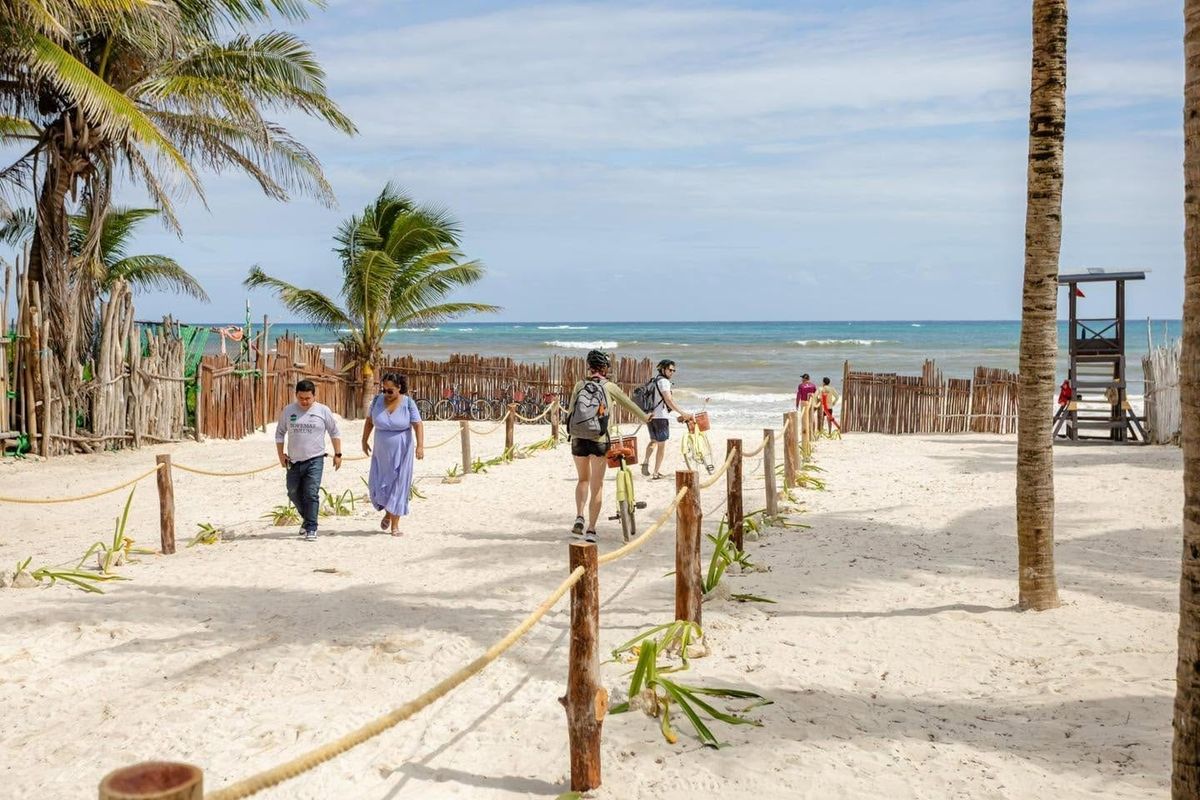
A tourist influx in Tulum is expected to surge beginning December 15, according to hoteliers, restaurateurs, and service operators who report a sharp rise in reservations for the final weeks of the year. Their projections align with comments from Eleazar Mas Kinil, the municipal councilor overseeing the Tourism Commission, who said the destination could close 2025 with stronger-than-anticipated figures driven by the holiday season.
The core question for many residents and businesses is whether this projected wave of visitors will reverse the slowdown seen in recent weeks. Early indications suggest it might. And the optimism is notable across Quintana Roo, where tourism remains central to the regional economy.
Why December Bookings Are Climbing Faster Than Expected
Mas Kinil explained that stakeholders across the sector are seeing a noticeable uptick in inquiries, room blocks, and activity reservations. Several hotel groups in the Riviera Maya appear to be operating under more confident forecasts compared with the late-summer period. Their confidence is partly shaped by promotional campaigns, partly by recurring events scheduled along the Tulum corridor, and partly by a perception that the destination has regained momentum after a quieter start to the season.
One hotel manager described the shift as “a rapid turn from uncertainty to momentum,” capturing a sentiment shared across businesses preparing for the final rush of the year. It is the kind of line that reflects the mood circulating through the industry and could almost stand alone on social media.
The micro-story emerging from local guesthouses reinforces that sense of change. A small family-run property near La Veleta reported going from half occupancy to nearly sold out in less than ten days. That swift increase does not define the entire market. But it illustrates how certain operators are experiencing the early wave of demand.
How Tulum’s Holiday Season Events Are Shaping Visitor Trends
Promotional efforts have been a recurring tool used by local businesses to maintain visibility amid intense competition in Mexico’s Caribbean region. But this year, scheduled events stretching from beachfront nightlife venues to wellness retreats appear to be playing a larger role in shaping December travel behavior.
In the corridor from downtown Tulum to the coastal hotel zone, organizers have confirmed a series of cultural gatherings, outdoor concerts, and gastronomic showcases that traditionally draw both national and international visitors. Even modest programming generates spillover effects for transportation providers, independent tour guides, and restaurants.
While projections remain estimates, Mas Kinil said the combination of planned activities and robust marketing campaigns could translate into stronger occupancy rates and sustained restaurant traffic well into the final days of 2025.
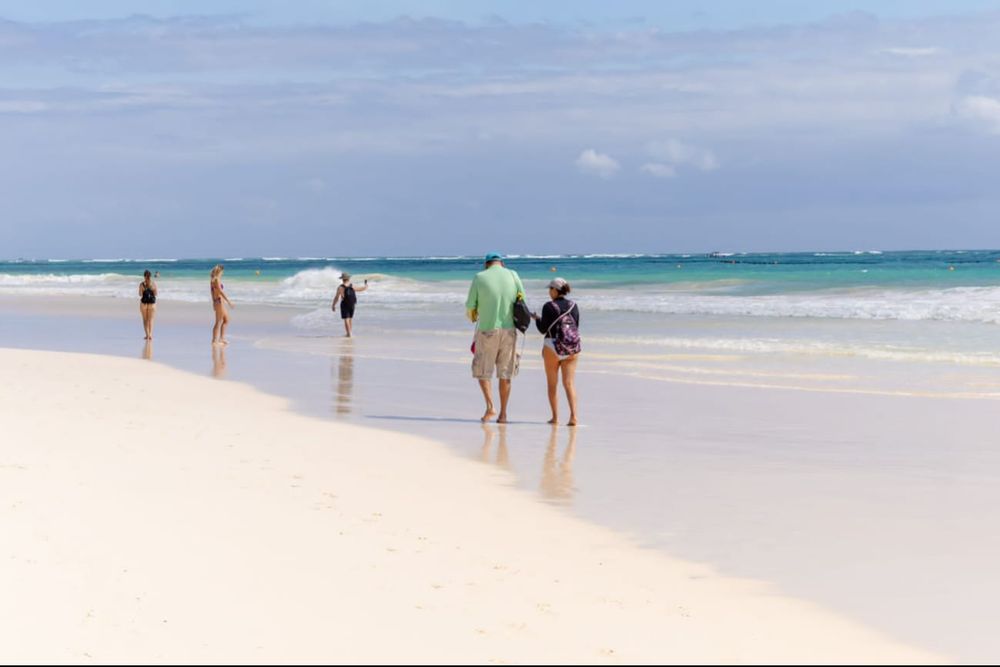
A Closer Look at the Economic Stakes for Quintana Roo
Tourism is not simply a seasonal boost for Tulum. It is a structural pillar of Quintana Roo’s economy, supporting thousands of workers who depend on both formal and informal employment tied to travel demand. A softer autumn raised concerns among shop owners and activity providers, who described reduced walk-ins and tighter margins.
The anticipated December rebound could ease some of that pressure. If visitor spending increases as projected, the benefits may extend to urban neighborhoods, rural communities, and coastal service hubs.

But some observers caution against assuming a uniform recovery. Not every business experienced the same depth of decline. And not every operator will feel the same level of relief. Market fragmentation has grown alongside the diversification of lodging options, especially with the continued rise of short-term rentals.
Still, the possibility of a strong December matters because it sets expectations for the first quarter of 2026. The hospitality sector often plans staffing, supply orders, and pricing strategies based on year-end outcomes. A solid finish could help stabilize planning at a time when seasonality is becoming less predictable.
How Authorities and Businesses Are Preparing for an Intense Season
Mas Kinil emphasized that the municipal government is coordinating with transport operators, hotels, and tour providers to ensure that Tulum is prepared for the expected visitor surge. The areas of focus include mobility, safety, and visitor services, three issues that have repeatedly shaped public perception of the destination.
Mobility challenges have become more pronounced as the number of arrivals grows. Congestion along the beachfront road, pressure on taxi services, and shifting traffic patterns around new infrastructure all require real-time adjustments. Authorities appear intent on preventing bottlenecks that could frustrate travelers or disrupt daily life for residents.
Safety planning is similarly central. Seasonal peaks often require expanded patrols, enhanced lighting in high-traffic areas, and improved coordination between municipal agencies and private security providers. Officials say these efforts aim to preserve the sense of stability visitors expect in Caribbean Mexico.
The Tulum Times has previously reported that demand surges tend to expose gaps in local capacity. This year, however, the municipal government says it is working more proactively with service providers to anticipate strain points before they escalate.

Could December Growth Resolve the Low Season’s Impact?
Sector estimates suggest that a strong December might counterbalance the slow weeks many businesses faced earlier in the year. Although a full recovery is difficult to quantify without comprehensive data, the sentiment among operators appears cautiously optimistic.
Some restaurateurs believe holiday traffic could help stabilize revenues enough to offset operational dips from October and early November. Transportation companies report similar expectations, noting that airport transfers, shuttle services, and private tours often spike during Christmas and New Year week.
Yet the question remains: will the upcoming tourist influx in Tulum be large enough to significantly shift annual totals? Projections vary widely. It might correct course, but it may not entirely redefine long-term trends. What stands out is a collective acknowledgement that December’s behavior will influence planning, strategy, and even hiring decisions for months ahead.
Reading the Signs of a Destination in Constant Transition
Tulum continues to evolve, shaped by international interest, regional dynamics, infrastructure changes, and new travel patterns that differ from the pre-pandemic era. What appears consistent is the destination’s ability to regain momentum even after weeks of slower activity.
There is a subtle reflection emerging from local voices: Tulum’s resilience often depends not just on external demand but on how well its institutions and businesses adapt to shifting cycles. That adaptability might be just as important as visitor numbers when measuring long-term stability.
For now, the industry watches the calendar, preparing for December 15 and the wave of arrivals expected to follow.
The tourist influx in Tulum could define the tone of the coming year, setting both expectations and challenges for a region that remains one of Mexico’s most closely watched destinations. We’d love to hear your thoughts. Join the conversation on The Tulum Times’ social media.
What trends do you think will shape Tulum’s tourism in 2026?