
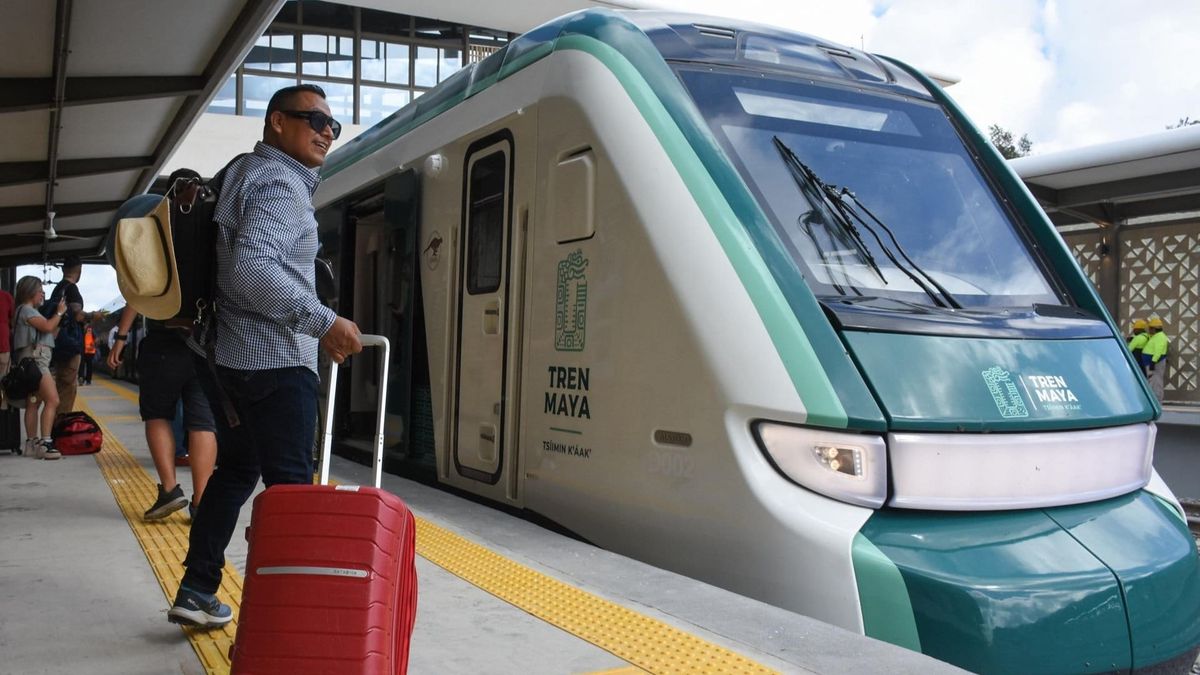
Sometimes, a train isn’t just a train. It becomes a symbol, a bridge between past and future, a thread stitching together a region long overlooked. This week, during Mexico’s daily presidential press conference, Óscar David Lozano, director general of the Tren Maya, confirmed what many had been waiting for. The massive infrastructure project is now officially operating at full capacity.
With 34 stations active along a sweeping 1,554-kilometer route, the Tren Maya stretches across five southeastern states, offering not just transportation but transformation.
The Full Launch: What It Means for the Region
On July 7, the final pieces of the puzzle fell into place. Sections six and seven of the railway were inaugurated, completing a loop that now connects remote villages, vibrant tourist hubs, and ancient Mayan sites. This isn’t just a railway line; it’s a corridor of opportunity.
The network links directly to six international airports: Palenque, Campeche, Mérida, Cancún, Tulum, and Chetumal. Four of them are managed by Grupo Aeroportuario Mundo Maya, forming a tightly coordinated transportation ecosystem that makes access to the region easier than ever.
To tackle areas that still face access challenges, 15 of the stations now offer bus connections. These routes cost between 35 and 55 pesos, making last-mile travel both accessible and affordable. And the stations themselves aren’t just stopovers. They’re mini-hubs, equipped with car rental services, convenience stores, restaurants, artisanal markets, and travel agencies that reflect the region’s identity.
Passenger Demand Is Surging
The numbers tell a compelling story. As of July 15, the Tren Maya has transported more than 1.35 million passengers. According to Lozano, demand is climbing steadily. What began as a bold initiative is now a preferred mode of travel for both locals and tourists.
And the timing couldn’t be better. Since December 2024, the project has launched ten all-inclusive tourism packages. These curated experiences include round-trip flights with Mexicana de Aviación from Felipe Ángeles International Airport (AIFA), hotel stays, guided tours, and ground transportation.
This vacation season alone, 35% of those packages have already been sold. Lozano confidently projected that they will reach full booking capacity soon. This isn’t just a trend. It’s a shift in the way people travel through the Yucatán Peninsula.
Explore “Mares y Lagunas” and Other Curated Experiences
Among the standout offerings is the “Mares y Lagunas” package. Priced at 17,840 pesos, it includes immersive visits to Tulum, Bacalar, and Chetumal. It’s not just a tour; it’s an invitation to experience the natural beauty and cultural richness of the region from the inside out.
Other packages vary in destination, duration, and price, but they all follow a shared philosophy: seamless integration of travel, lodging, and cultural discovery. From jungle treks to seaside escapes, the goal is to offer meaningful, memorable experiences.
A Clear Economic Impact on the Southeast
Beyond tourism, the Tren Maya is starting to shape the economy of southeastern Mexico in measurable ways. The region’s GDP has grown from 1.8 to 2.3 trillion pesos. Employment is rising. Unemployment has dropped to an average of 2.4%.
Air travel has also seen a boost. With 43.3 million passengers flying into the region and hotel occupancy rates reaching 73.1%, the data points to a revitalized southeast, one that is no longer on the periphery of national development but firmly at the center.
More Than Infrastructure: A Cultural and Social Shift
It’s not just about concrete, steel, or tourism numbers. This project is quietly redefining how infrastructure can coexist with culture. In April, the Mundo Maya Hotel opened its doors in Palenque, providing travelers with new lodging options and economic stimulus to the local community.
Meanwhile, community-based tourism initiatives are gaining traction. Developed in partnership with the Peninsular Alliance for Community Tourism, along with Mexico’s Secretariats of Tourism and Foreign Affairs, these programs aim to ensure that local voices and traditions remain central to the tourism experience.
The Tren Maya, often debated and deeply symbolic, is no longer just a plan or a promise. It’s real. It’s running. And it’s rewriting the story of the Mexican southeast, one station at a time.