
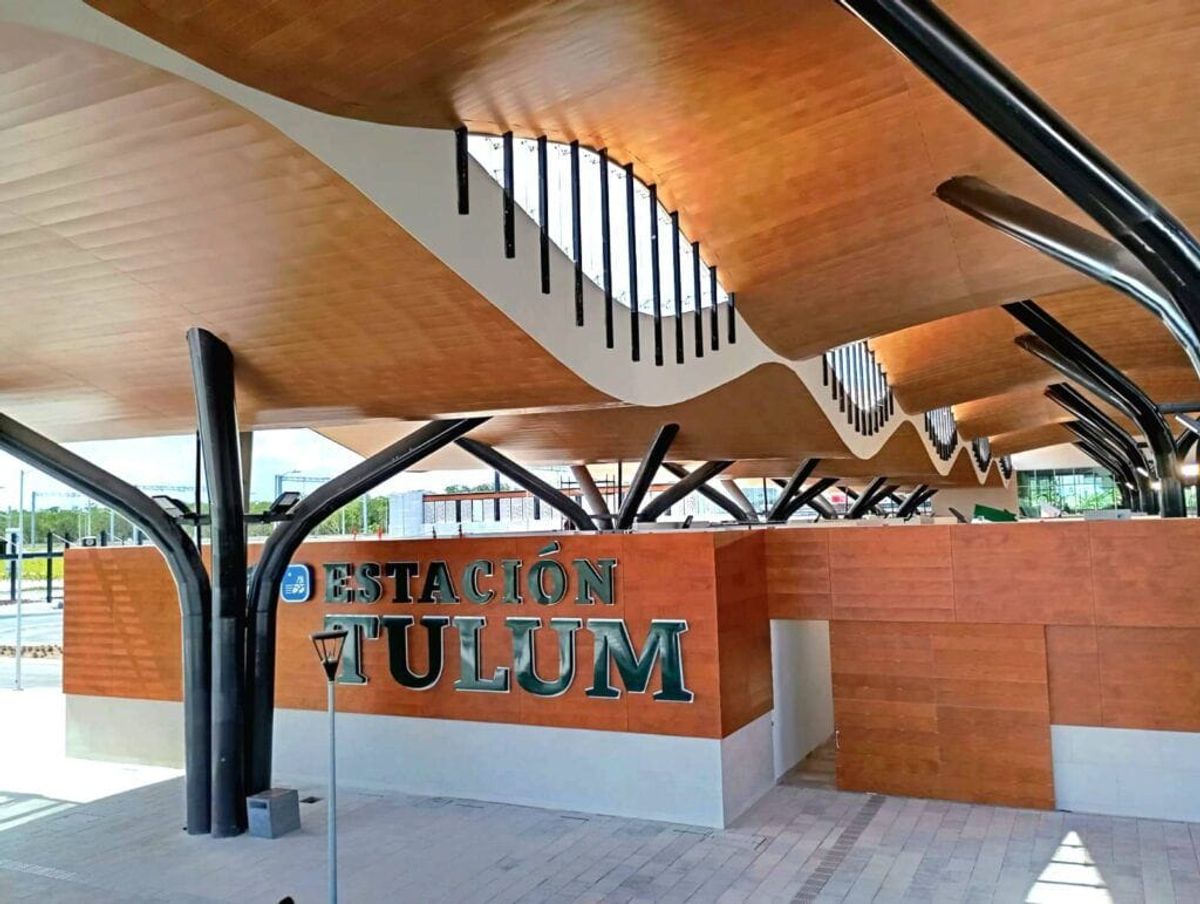
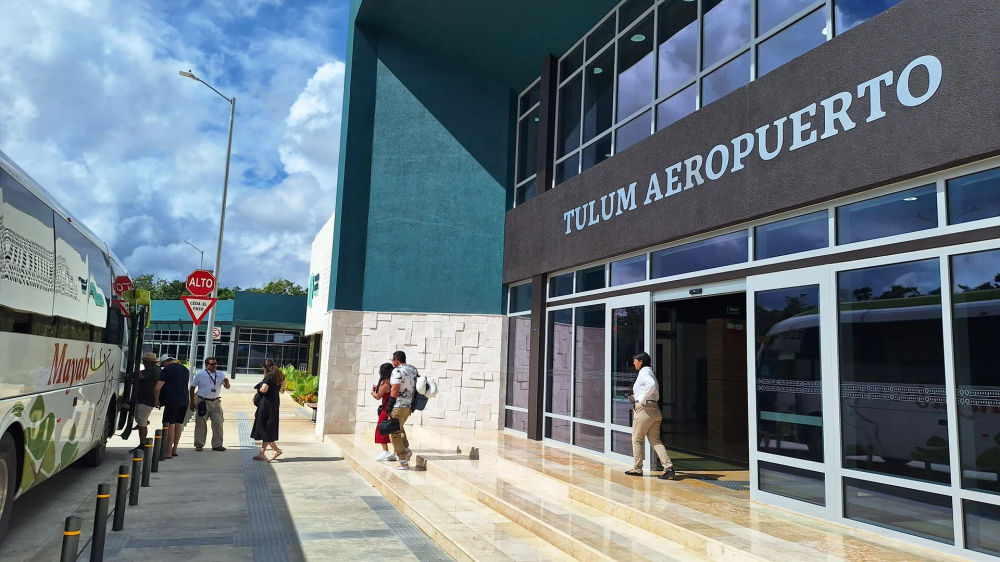
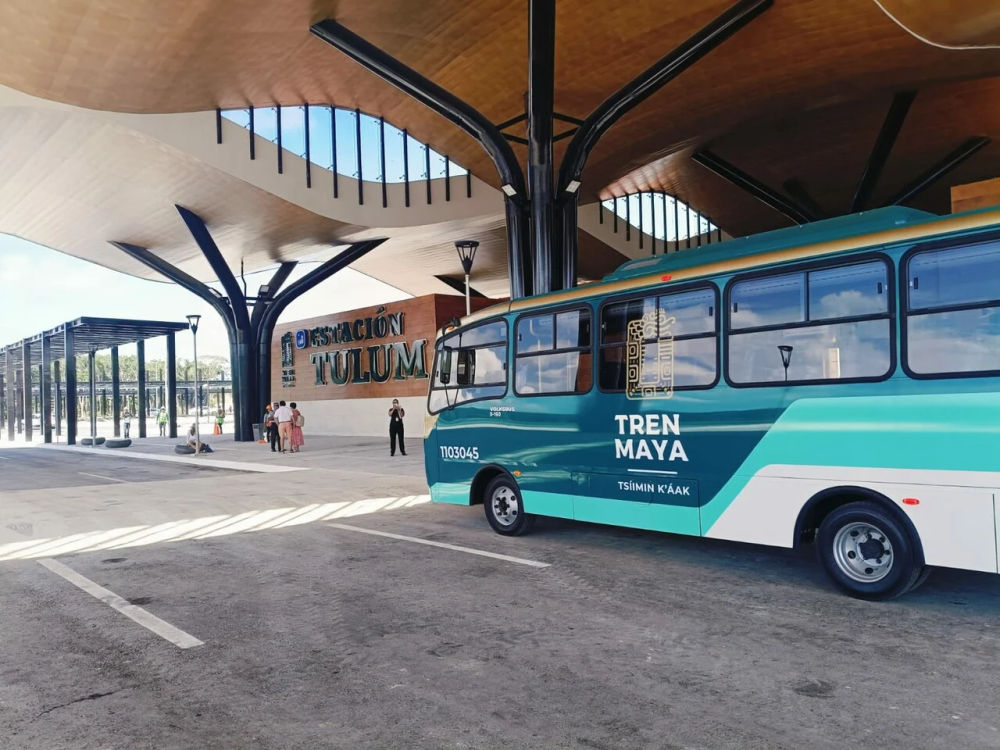
Few infrastructure projects have reshaped the conversation around the future of the Mexican southeast as much as the Tren Maya. Among the most anticipated stops along its 1,500-kilometer route lies the thriving coastal town of Tulum, a jewel of the Riviera Maya now more accessible than ever before. With two official stations, one at the brand-new Tulum International Airport and another in the heart of the town, Tren Maya Tulum is rapidly becoming a symbol of regional progress and cultural exchange.
The decision to place not one, but two Tren Maya stations in Tulum reflects more than just a logistical convenience. It signals an intentional effort to weave this vibrant community into a broader national narrative, one where sustainable tourism, economic development, and indigenous inclusion move in parallel. The journey from Cancún to Tulum on the train can cost as little as 67 pesos in premier national fare or up to 876 pesos in international class, depending on the passenger’s origin and seating preference. Tourist-class fares vary accordingly, offering affordable access for locals, national travelers, and global visitors alike.
A new pulse for the southeast
The user intent here is largely informational, with hints of transactional interest for those seeking travel logistics, falling under the Know–Do model. Travelers want to understand what the Tren Maya offers and how Tulum fits into the picture. And what they’re finding is a gateway not just to a destination, but to a philosophy of integrated development.
The Tren Maya was never just about transportation. It is an ambitious, billion-dollar endeavor to correct decades of neglect in the southern states of Chiapas, Tabasco, Campeche, Yucatán, and Quintana Roo. Through sleek, hybrid trains and expansive rail corridors, it aims to bridge cities and jungles, past and future.
Tulum’s stations serve as a real-time demonstration of this mission. They bring travelers closer to Mayan ruins, cenotes, and ecotourism routes that were previously inaccessible. More importantly, they bring opportunity closer to Tulum’s residents. From small-scale artisans to local guides and hoteliers, the ripple effects are already palpable.
Cultural crossroads on rails
The inclusion of Tulum in the Tren Maya’s itinerary is as much symbolic as it is practical. Once a quiet village, Tulum has blossomed into an international destination, an epicenter for wellness, art, and natural beauty. Now, with direct rail access, visitors from Mérida or Palenque can experience its magic in a matter of hours. But the train does more than bring tourists; it brings stories.
It connects communities that once existed in silos, merging indigenous traditions with cosmopolitan sensibilities. It gives rural children a window to larger worlds and brings urban explorers into sacred lands. Every station is a threshold between worlds.
Balancing progress with preservation
Despite its promise, the Tren Maya has not arrived without resistance. Environmental activists have raised alarms about deforestation, groundwater contamination, and the disruption of underground cave systems that stretch beneath the Yucatán Peninsula. Archaeologists warn of risks to yet-unexplored ruins and cultural sites. Some indigenous groups claim that the consultations were inadequate or merely cosmetic.

These are not minor concerns, and they shouldn’t be brushed aside. Yet the government insists it has implemented mitigation strategies, including reforestation programs and infrastructure designs intended to limit ecological damage. For many, the train represents a complex trade-off: the promise of economic uplift against the price of environmental and cultural sensitivity.
Tren Maya Tulum as a model of integration
At its core, Tren Maya Tulum encapsulates the essence of this project, connectivity with conscience. The town’s dual stations don’t just facilitate movement. They anchor Tulum to a future that strives to be inclusive, resilient, and economically vibrant.

This is where the story of the Tren Maya begins to take on a deeply human quality. It’s not just about steel rails or polished terminals. It’s about creating bridges where there were gaps. It’s about placing a small town like Tulum at the crossroads of global tourism and local heritage.
As the train whistles into Tulum and visitors pour out to feel the white sands, taste the cochinita pibil, or stand in awe at the Temple of the Wind God, a bigger journey unfolds: one of transformation, belonging, and hope for an integrated southeast Mexico.
Have thoughts on how the Tren Maya is reshaping Tulum? Join the conversation on The Tulum Times’ social media channels.