
You can hear it in the hum of suitcase wheels rolling across cobblestone, in the clink of glasses echoing from rooftop terraces, in the midnight hush of cenote waters that now neighbor neon. Tulum isn’t just growing, it’s multiplying. And at the heart of this quiet explosion? The relentless rise of Tulum Airbnb listings.
Right now, between the palms and the patchy Wi-Fi, there are anywhere from 8,400 to 8,900 active Airbnb units dotting the town. That’s not anecdotal. That’s data from June 2025, pulled from the likes of AirROI and AirDNA, two platforms that live and breathe short-term rental analytics. One pegs the total at 8,837 listings, the other at a still-massive 8,397. Either way, the takeaway is loud: Tulum is being stitched together, room by rentable room.
The Shape of the Surge
Now look ahead to mid-2026, specifically. Projections show the number swelling to between 9,300 and 9,600 listings. That’s no modest uptick. It’s an annual growth rate of five to eight percent. Analysts from The Latinvestor, who’ve been tracking this like hawks, credit two juggernauts: the newly minted Tulum International Airport and the long-awaited arrival of the Tren Maya.
Two things that move people, planes and trains, are now rerouting the map of desire. And they’re doing it in real time.
Let’s break it down: a 5% growth adds 442 new listings. An 8% spike? That’s 707 fresh pads on the market. Those are not just numbers, they’re signals. Indicators that Tulum’s rental market is not easing off the gas. It’s redlining.
What’s Actually Being Rented?
Here’s where it gets intimate. Nearly half, 46.9% to be exact, of all current Tulum Airbnb listings are one-bedroom properties. Add two-bedroom spots into the mix, and you’ve covered 74.1% of the supply. The message? Tulum is catering to the solo wanderer, the digital nomad couple, and the minimalist vacationer. Compact, sleek, accessible. Spaces that don’t sprawl, but instead seduce.
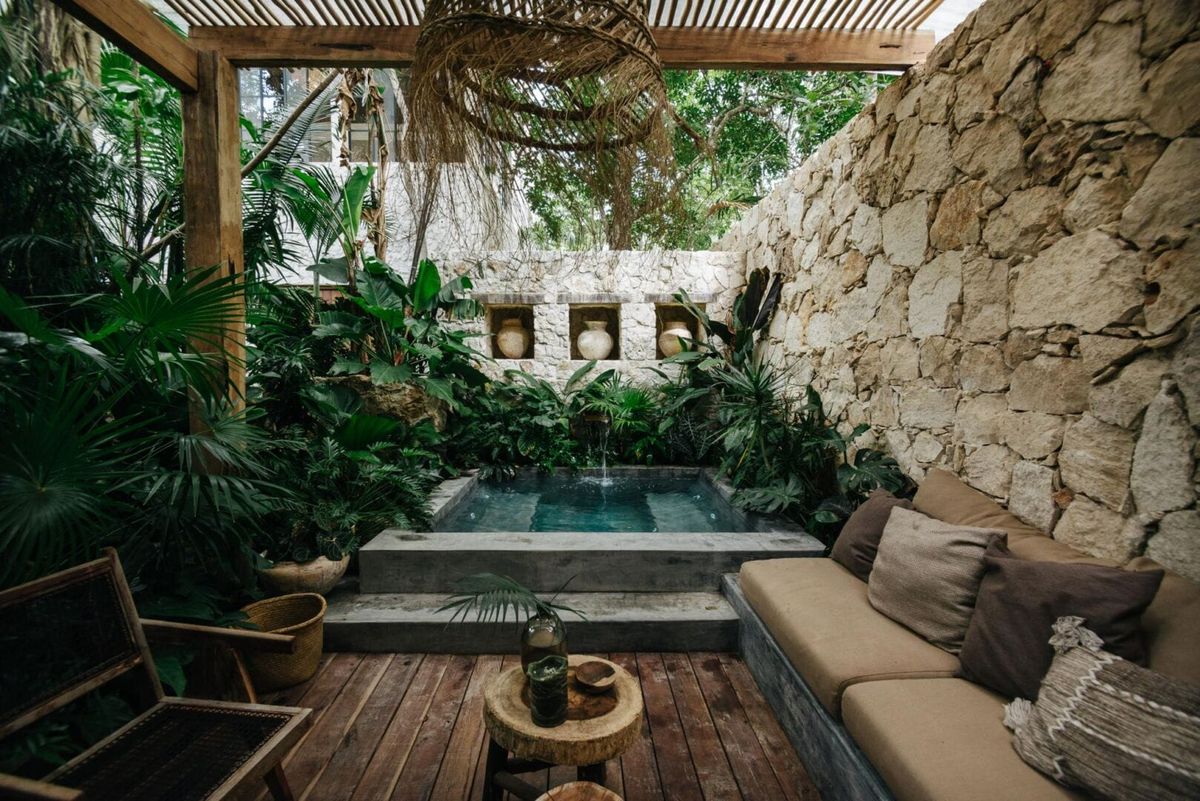
This rental DNA reveals a certain market psychology. People aren’t flocking here in busloads. They’re arriving in pairs, or alone, seeking something lean and lush. A jungle studio with AC and a hammock, maybe a cold plunge pool if the crypto wallet’s been good.
Where Expansion Meets Tension
But let’s not sugarcoat it. Growth brings friction. Neighborhoods like La Veleta, Aldea Zama, and the narrow ribbon of the beach zone are morphing faster than the municipal code can keep up with. Construction cranes now outnumber church bells. The question isn’t just “how many more can we build?”, it’s “what kind of town do we become when we do?”
There’s an emerging tension between Tulum’s image and its infrastructure. The steady churn of Airbnb growth may boost visibility, but it also stirs anxiety around sustainability, zoning, and long-term livability. Who gets to live here year-round? Who gets priced out?
In many ways, Tulum has become a living metaphor: a paradise found, then leased nightly to the highest bidder.
The New Normal?
A decade ago, Tulum was whispering its name to curious travelers. Now it’s screaming it across booking platforms, TikTok, and crypto-group chats. The pace of change isn’t slowing; it’s institutionalizing.
If projections hold, and they likely will, 2026 will set a new record for short-term accommodations in this patch of the Mexican Caribbean. It’s not just about more listings. It’s about a town rewriting itself in the language of square footage, reviews, and nightly rates.
We’d love to hear your thoughts, join the conversation on The Tulum Times’ social media.