
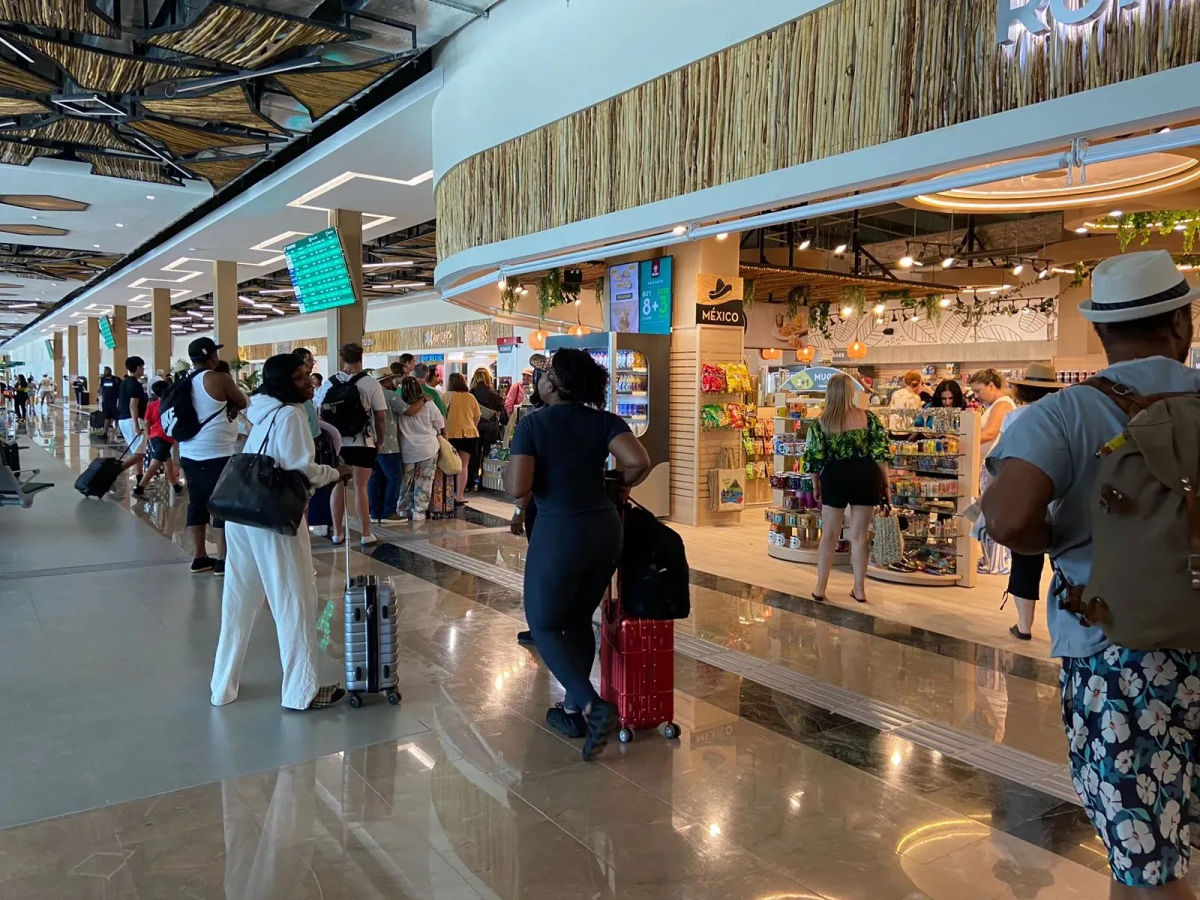
Tulum, Quintana Roo – The burgeoning Aeropuerto Internacional de Tulum Felipe Carrillo Puerto (AIFA) is pivoting towards a strategic expansion of its air traffic, introducing a suite of multifaceted incentives designed to attract a broader spectrum of domestic and international airlines. This initiative, spearheaded by the Ministry of Tourism of Quintana Roo (SEDETUR), aims to solidify Tulum’s position as a premier global destination, enhancing connectivity while stimulating regional economic growth. The ongoing dialogue between state authorities and airline representatives underscores a calculated push to optimize air operations in the Riviera Maya.
### The Strategic Vision for Tulum Airline Incentives
The impetus behind these renewed efforts stems from a comprehensive understanding of global tourism dynamics and the economic imperatives of a rapidly developing region. Bernal Rodríguez, the Undersecretary of Tourism for Quintana Roo, articulated the strategic intent behind the proposed *Tulum airline incentives*. The state seeks to leverage its unique natural and cultural assets, including archaeological sites and the pristine Caribbean coastline, as powerful draws for increased visitor arrivals. This proactive engagement follows a recent productive meeting in Mérida with representatives from major airlines, including Volaris, Viva Aerobus, and Magnicharters, signaling a concerted effort to foster direct partnerships rather than relying solely on market forces. The discussions specifically targeted the potential for new routes connecting Tulum with key cities such as New York, Los Angeles, and Denver in the United States, alongside expanded domestic services.
### Bolstering Air Connectivity and Operational Efficiency
A critical component of this strategy involves fine-tuning operational logistics at the AIFA. The airport, inaugurated five months ago by President Andrés Manuel López Obrador, has already demonstrated its capacity to handle significant passenger volumes. However, the current focus extends beyond mere capacity to the granular details of airline operations. Rodríguez highlighted the importance of a coordinated approach with airport administration, recognizing that seamless operation is as vital as competitive pricing. The incentives are structured to encompass various aspects, ranging from discounted landing fees to collaborative marketing campaigns, each designed to mitigate the initial financial outlays that new routes often entail for carriers. This proactive stance is predicated on the understanding that a robust and diverse portfolio of flight options is a fundamental prerequisite for sustained tourism development. The integration of incentives forms a complex tapestry woven from commercial viability and public policy objectives.
### Economic Impact and Future Trajectory
The anticipated ripple effect of these enhanced airline operations extends far beyond the tarmac. Increased air traffic is intrinsically linked to heightened tourist expenditure, which in turn fuels local businesses, generates employment, and diversifies the regional economy. Tulum’s strategic location, serving as a gateway to the southern reaches of the Riviera Maya, positions it as a critical hub for both leisure and business travel. The long-term vision includes establishing Tulum as a year-round destination, minimizing the seasonal fluctuations that often characterize tourist-dependent economies. The success of these *Tulum airline incentives* will be measured not only by the number of new routes but also by the sustained economic benefit they deliver to the local populace and the broader Quintana Roo region. As the AIFA progresses through its initial operational phase, the targeted incentives represent a crucial next step in solidifying its role as a pivotal aviation nexus in Southeast Mexico.
We’d love to hear your thoughts, join the conversation on The Tulum Times’ social media.