
It wasn’t supposed to go like this.
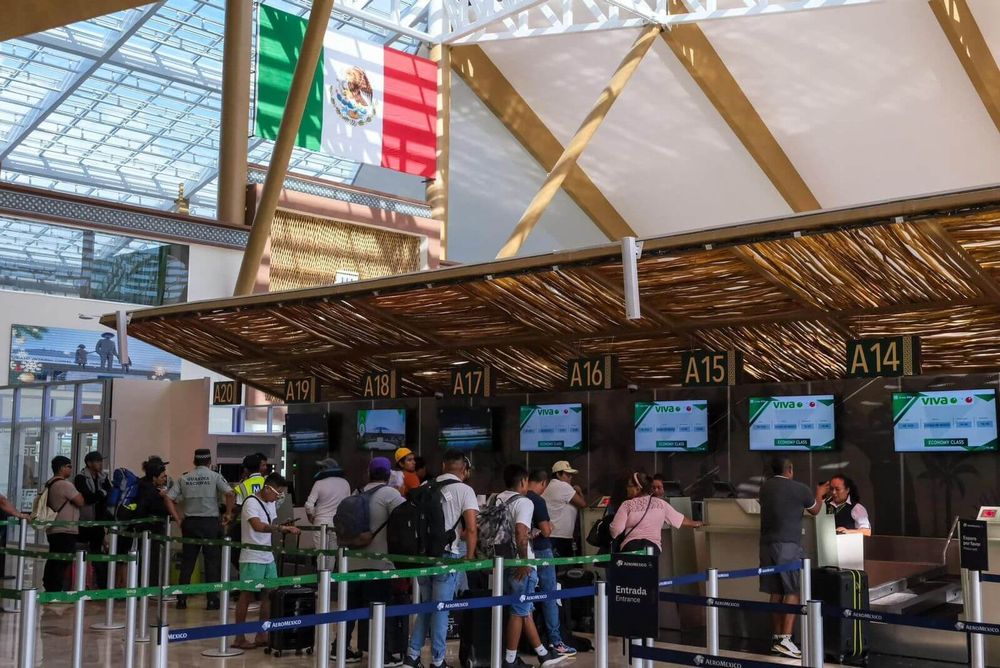
When Tulum International Airport opened its doors to commercial passengers on December 1, 2023, there was a sense of arrival, a new era. A sleek new airport in the heart of the Riviera Maya promised to siphon off some of Cancún’s ever-growing tourist flow and provide direct access to one of Mexico’s trendiest beach destinations.
But less than two years in, the runway feels quieter than expected.
A Promising Start, a Slow Descent
The initial months were filled with optimism. American Airlines, Delta, JetBlue, United, they all jumped in. Bookings surged. Flights were packed. But by spring break 2024, the air had already begun to thin.
Now, heading into the winter of 2025, U.S. airlines are pulling back. Hard.
Data from Cirium, an aviation analytics firm, reveals a significant slump: in December 2024, American carriers had scheduled over 41,500 seats to Tulum. That number will shrink to just under 30,000 this coming December. That’s nearly a 30% drop in seat capacity, a clear sign that demand isn’t keeping pace with early projections.
United remains the most committed, planning more than 10,000 seats from Newark and Houston. The others? They’re scaling back routes, frequencies, and expectations.

Cancún Still Rules the Skies
So, why the nosedive?
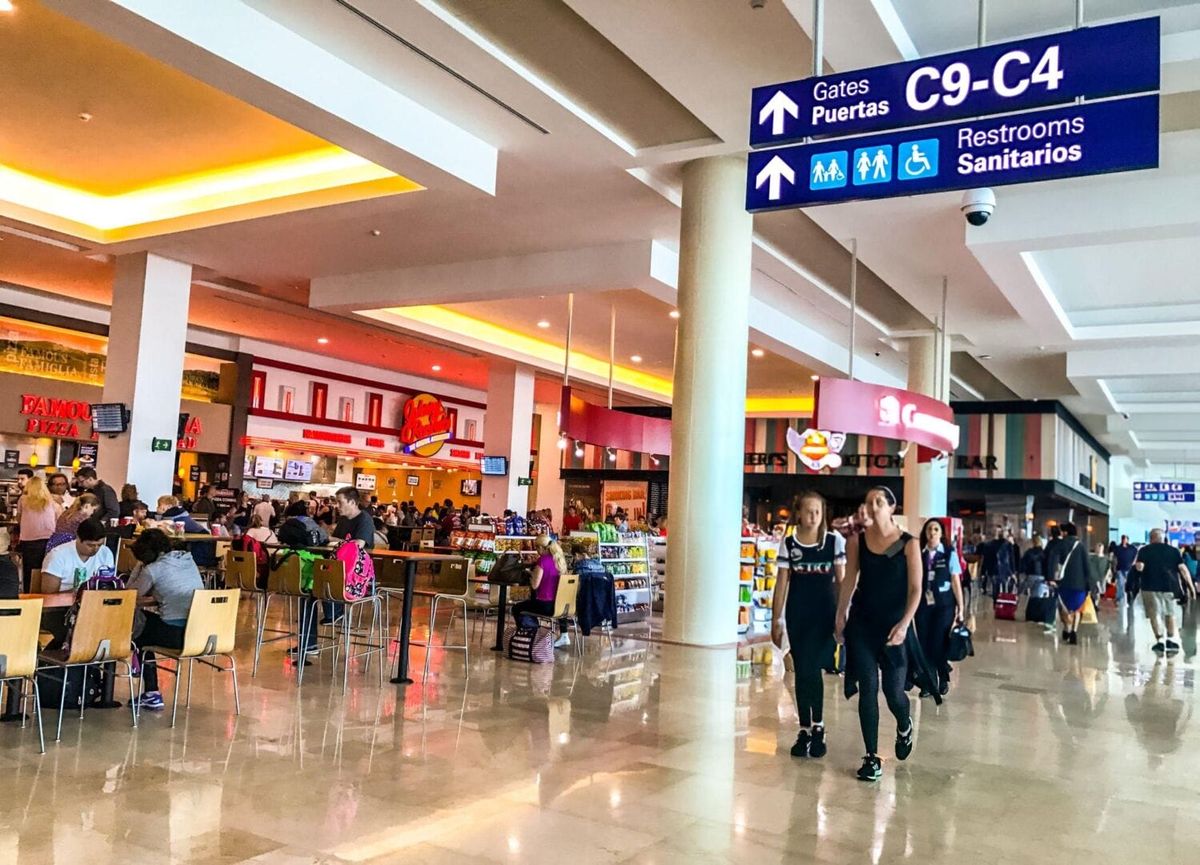
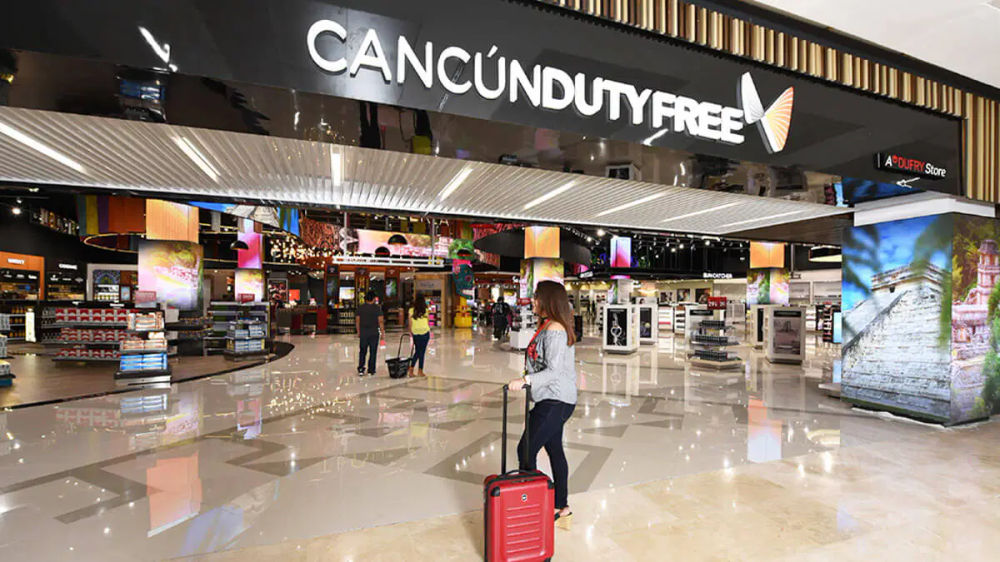
Part of the answer lies just up the coast. Cancún International Airport, despite its chaos, remains the undisputed heavyweight of the Mexican Caribbean. It’s established, convenient, and for many U.S. travelers, familiar.
“Airlines test the waters,” says Mike Arnot, a spokesperson for Cirium. “They build a schedule based on projected demand, then watch the numbers. If the flights aren’t profitable, or even close, they cut back. Simple as that.”
That’s exactly what’s happening. Spirit Airlines didn’t even wait for takeoff. Plagued by financial struggles and tepid demand, it pulled out of Tulum before its inaugural flight. American and Delta, more cautious but still reacting, have trimmed the number of U.S. cities with direct Tulum service.
The skies aren’t empty. But they’re definitely thinner.
What It Means on the Ground
For residents and businesses in Tulum, the implications are mixed.
Some hoped the airport would usher in a new wave of higher-end tourism, spreading the benefits beyond the hotel zone and reducing pressure on local roads. Others worried that it would bring more strain, more visitors, more noise, more impact.
Instead, a slower-than-expected ramp-up offers breathing room. Boutique hoteliers now say they’re adjusting expectations, and some restaurateurs note that walk-ins from fly-in tourists haven’t increased as they’d hoped.
One café owner near La Veleta put it simply: “People still land in Cancún and drive here. The airport didn’t change that. Yet.”

A Matter of Patience or Preference?
Airline retreat doesn’t always spell failure. It could just be a market correction, the messy, iterative process of matching supply with actual demand.
Still, there’s a bigger question simmering beneath the schedules and spreadsheets: Was Tulum’s airport built for travelers who never really asked for it?
Compared to Cancún, Tulum still lacks extensive hotel infrastructure near the airport. Ground transport can be tricky. And despite the magnetic appeal of its beaches and cenotes, the town’s charm has always been tied to its inaccessibility, a kind of intentional inconvenience that made it feel different.
Put simply, some travelers might prefer the longer drive over a new airport experience that hasn’t yet found its rhythm.

What the Numbers Don’t Show
Here’s where the data gets personal.
Take Ana and Jordan, a couple from Austin, Texas, who came to Tulum twice last year. They flew into Cancún both times, rented a car, and didn’t even consider flying into Tulum.
“We looked at it,” Jordan says. “But the flights were weirdly expensive, and we weren’t sure how to get from the airport to our Airbnb. Cancún felt easier. We knew what to expect.”
Stories like theirs are everywhere. Not hostile to Tulum’s new airport, just indifferent. That’s arguably worse.
Can Tulum Still Fly High?
It could. Airports take time to mature.
Travelers adjust, airlines tweak, and infrastructure improves. What feels like a downturn today might look like a blip in hindsight, especially if tourism demand continues growing across the region.
But for now, Tulum International Airport seems to be flying under capacity and under the radar.
The Tulum Times will continue monitoring the situation, especially as winter high season approaches. For many local stakeholders, what’s at stake is more than just seat numbers, it’s the future of how this region grows and connects to the world.
“Tulum may have an airport, but Cancún still owns the runway.”
We’d love to hear your thoughts. Join the conversation on The Tulum Times’ social media.
What do you think is holding back demand for Tulum’s airport, cost, convenience, or something else entirely?