
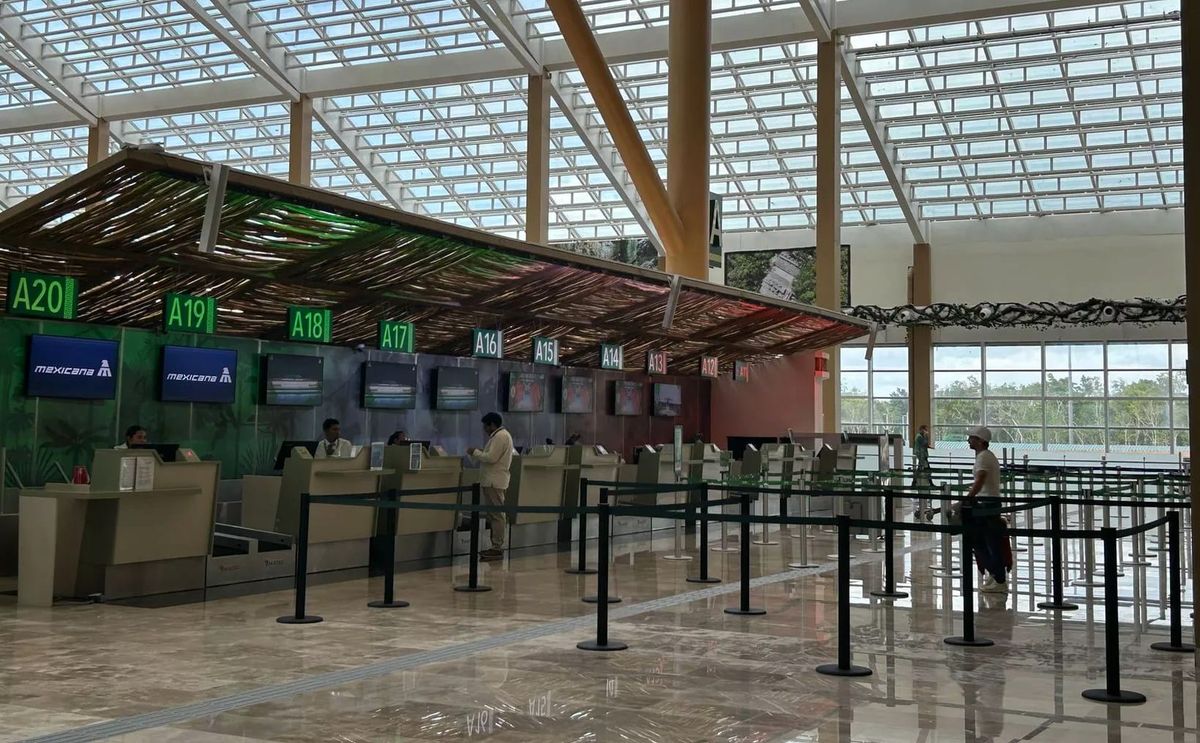
It was meant to be a bold statement in concrete and glass, a gleaming gateway rising from the jungle, carving out Tulum’s place on the global travel map. Where once there were only winding roads and whispered promises, now stood a modern international terminal, pitched as the crown jewel of Mexico’s booming Caribbean corridor.
But less than a year after its inauguration, the narrative is shifting. The grand arrivals are thinning out. The glossy ambitions have dulled. And the international flight schedule? Quietly, consistently, it’s disappearing. Tulum International Airport, once hailed as the future, is facing turbulence it didn’t see coming.
Frankfurt Says Goodbye: Discover Airlines Retreats
The latest to jump ship is Discover Airlines, a Lufthansa affiliate that had launched direct service between Frankfurt and Tulum with considerable fanfare. Starting December 2024, the airline offered a symbolic bridge between Europe and the Yucatán jungle. But this winter, that bridge will quietly vanish.
Instead, Discover is redirecting its operations back to Cancún, the seasoned heavyweight of the Riviera Maya. While not exactly beloved for its charm, Cancún offers something Tulum does not: predictability. For airlines, that’s worth its weight in fuel.
The move isn’t just a route change. It’s a referendum. And the message is clear: the runway may be paved, but the journey is still unfinished.

A Terminal of High Hopes, Low Follow-Through
When the airport opened, it was a physical manifestation of Tulum’s meteoric rise. Once a sleepy backpacker outpost, the town had become a global brand, shorthand for barefoot luxury, spiritual escapism, and curated Instagram perfection.
So naturally, the world needed an airport to match.
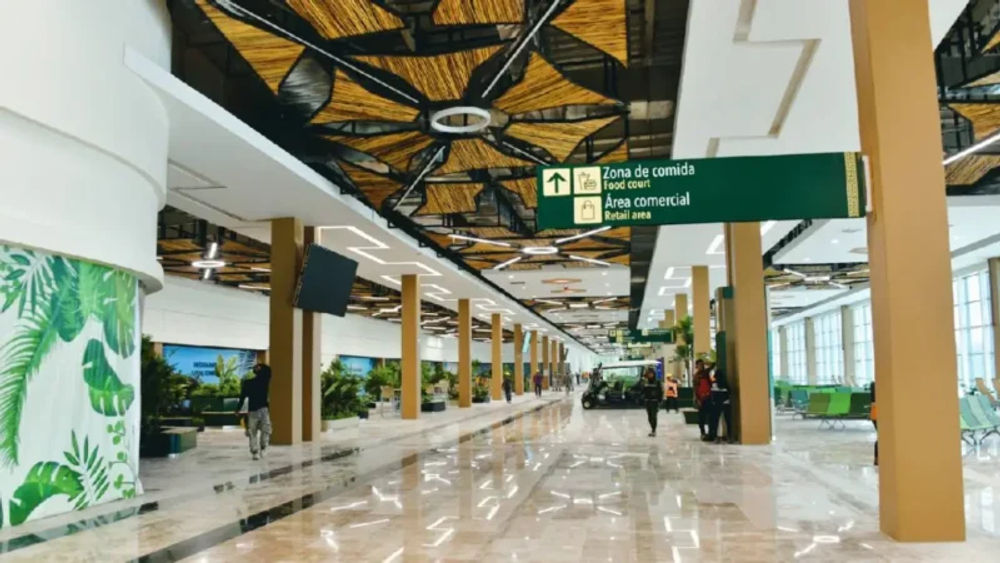
And in theory, it got one. The terminal is clean, modern, and even beautiful. But travel is a system, not a sculpture. And behind the photogenic facade lies a web of half-baked logistics. Ground transportation remains underdeveloped. Transfers are unpredictable. And the lack of a proper access road between the airport and Tulum’s hotel zone is not just a planning oversight, it’s a strategic failure.
The result? A gateway that feels less like an entrance and more like an obstacle course.
Airlines Are Voting With Their Wings
Discover Airlines’ exit is not an isolated event. It’s part of a pattern, and the pattern is hard to ignore.
- United Airlines quietly canceled its Denver–Tulum service.
- Air Canada walked away from its Boston route.
- Copa Airlines and Avianca dropped plans for direct flights from Panama and Colombia.
- Even WestJet, still flying in from Toronto and Calgary, is proceeding with the caution of someone unsure whether the pool is deep enough.
In the aviation industry, this kind of pullback isn’t just about numbers, it’s about trust. Airlines don’t gamble with scheduling. Every route is a bet on demand, logistics, and infrastructure. And lately, Tulum’s odds haven’t been looking good.

What the Tour Operators Are Saying
German trade publication Touristik Aktuell captured the mood bluntly: “Some European tour operators are managing to sell Tulum, most are not.” The reasons? Fragmented demand. Inconsistent experiences. And perhaps most damning, the perception that getting there is half the headache.
For a destination to thrive internationally, travelers must feel that their journey will be smooth from runway to resort. If instead, they’re stuck in a van for two hours navigating patchy jungle roads, the allure fades fast, no matter how turquoise the sea might be.
This Isn’t About Beauty, It’s About Trust
Let’s be clear: Tulum is still beautiful. It has not lost its natural magnetism. The cenotes still glisten like portals to another world. The beaches remain soft and luminous. The jungle still hums with a wild, ancient rhythm.
But beauty, paradoxically, is not enough. Airlines need logistics. Tour operators need confidence. And travelers need ease.
Tulum has mastered the art of seduction. What it lacks is consistency.
Cancún vs. Tulum: The Uncomfortable Comparison
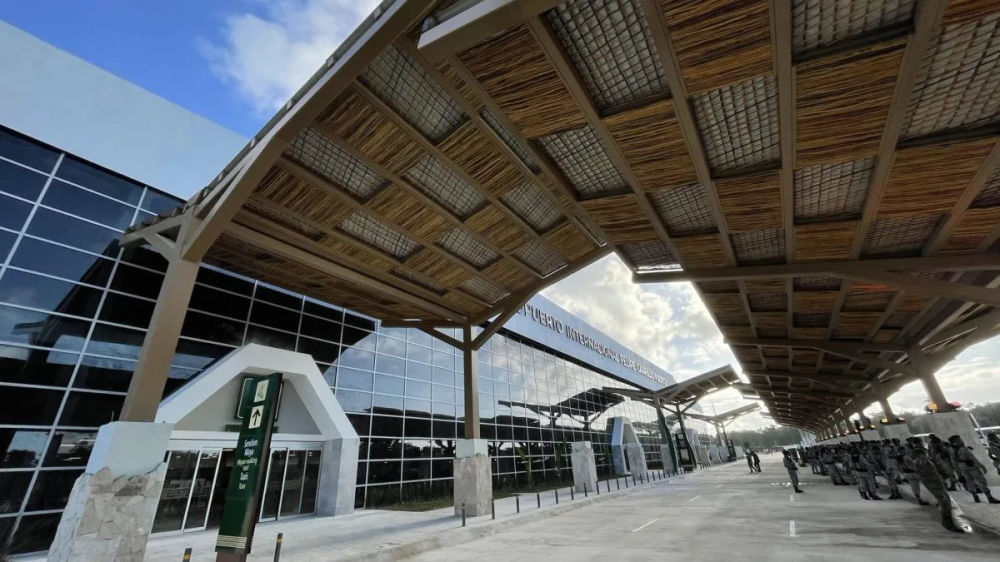
It’s tempting to paint Cancún as the villain of this narrative, overdeveloped, overly commercial, a monument to mass tourism. But the truth is less romantic and more revealing: Cancún works.
- The airport handles over 30 million passengers a year with practiced efficiency.
- Ground transport is seamless.
- Luggage rarely goes missing, and transfer times are clockwork.
Meanwhile, Tulum, with all its charm, feels like a boutique hotel that tried to become a luxury resort overnight, forgetting to install the plumbing first.
The irony? For all of Tulum’s critiques of Cancún’s excess, its own ambitions have begun to mirror them. But without the infrastructure to support that scale, the result feels more chaotic than aspirational.
The Stakes for the Region
This isn’t just about one airport or a handful of flights. It’s about the long-term vision for tourism in Quintana Roo.
If Tulum fails to establish itself as a viable international hub, it risks becoming a cautionary tale, a place where hype outpaced planning, where vision ignored engineering, and where potential never fully took off.
And the ripple effects are real. Local economies, already under pressure from inflation and overdevelopment, depend on a steady influx of high-spending international travelers. Fewer flights mean fewer guests, and fewer guests mean tighter margins for hotels, restaurants, tour operators, and the many informal workers who make the region run.
A Roadmap Still Unwritten
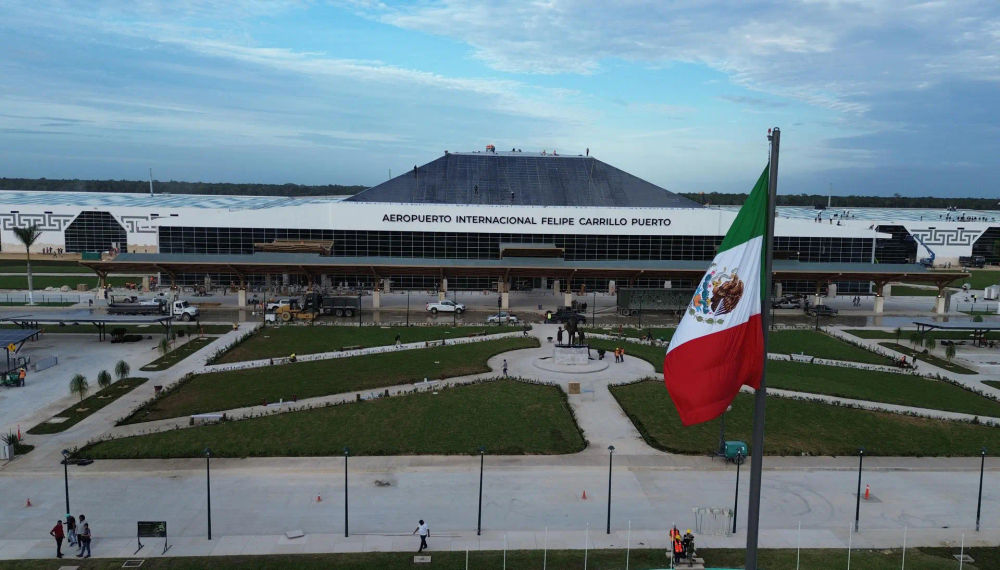
Tulum’s airport still has time to fulfill its promise. The region is magnetic, the global curiosity remains strong, and the will to succeed, politically and economically, is there.
But this isn’t a problem that can be solved with hashtags or speeches. What’s needed is a roadmap rooted in reality:
- A completed ring road connects the airport to the hotel zone.
- Expanded, reliable shuttle and ride-share services.
- Transparent performance metrics for flight and transfer times.
- And above all, an acknowledgment from local and federal authorities that infrastructure isn’t just a technical issue, it’s a strategic one.
Because airlines may forgive a bumpy landing. But they won’t keep flying into uncertainty.
Can Tulum Still Take Flight?
The question now is whether Tulum can learn to walk before it tries to soar again. If it can embrace a slower, smarter growth, one that honors both its ecological fragility and logistical needs, then this recent turbulence might just be growing pains.
But if it keeps chasing global recognition without building the foundation to support it, then Tulum’s international airport may go down not as a success story, but as a missed opportunity, a runway to nowhere.
What Do You Think?
Is Tulum’s airport a symbol of premature ambition or a work in progress worth salvaging? We want to hear from you. Join the conversation on The Tulum Times social media channels and share your thoughts.