

The Tulum archaeological zone received 809,000 visitors between January and September 2025, according to new figures released by Mexico’s Ministry of Tourism. The number keeps the site in third place nationally, yet it marks a sharp drop from pre-closure levels. The decline illustrates how policy decisions, fee structures, and regional dynamics continue to shape one of Quintana Roo’s most emblematic attractions.
Chichén Itzá remained the country’s most visited site during the same period with 1.7 million visitors, while Teotihuacán and its Site Museum secured second place with 1.2 million. But the picture in Tulum appears more complex than a simple ranking might suggest. The latest data hints at an ongoing struggle to regain momentum after years of disruptions linked to the Tren Maya construction, fluctuating tourism patterns, and the introduction of new federal fees.
These numbers raise a broader question. How does a destination regain its footing when infrastructure upgrades, military-run projects, and new pricing schemes meet shifting global travel behavior?
The long shadow of 2023 over today’s tourism realities
A comparison with 2023 helps clarify the scale of the challenge. That year, before the maintenance closure associated with the Tren Maya and before the new tariffs imposed through the Sedena-operated Parque del Jaguar, the Tulum archaeological zone received 1,040,622 visitors from January to September. The figure for 2025 is 231,622 lower. A short sentence captures the change: “Two years can reshape an entire tourism economy.”
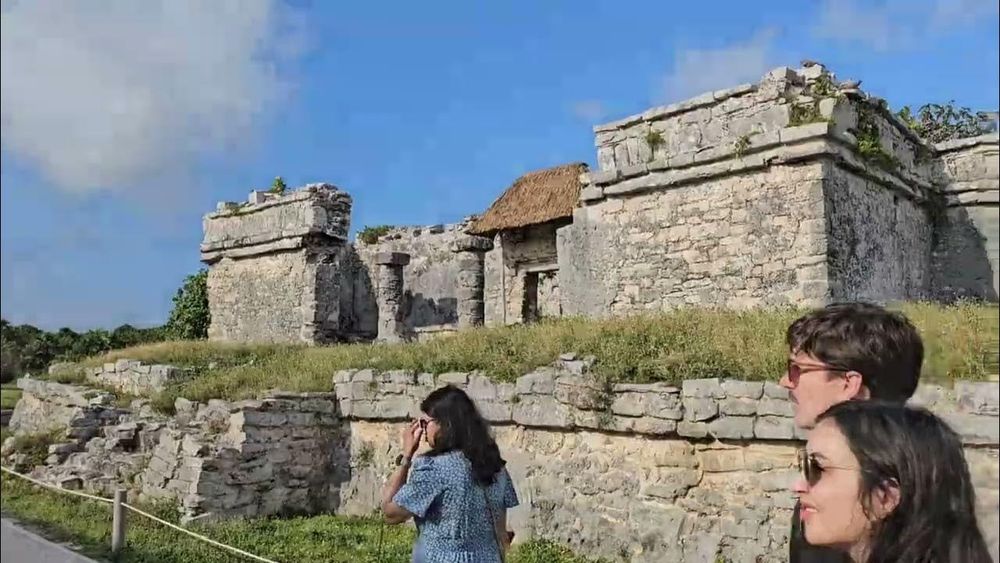
This 22 percent drop, based on official data from INAH, appears largely connected to the additional charges introduced in December 2024 when the Parque del Jaguar began operations under the administration of the Mexican Army. These fees added 150 pesos for residents of Quintana Roo, 255 pesos for domestic tourists, and 415 pesos for international travelers, all paid before the standard 100-peso entry fee to the archaeological site itself.
That cost structure immediately altered visitor behavior. Guides in the Riviera Maya told The Tulum Times earlier this year that families who once visited Tulum as part of multi-stop day trips were beginning to skip the site entirely. Some tour operators report that their passengers now prefer less expensive destinations such as Cobá, Ek’ Balam, or even coastal attractions that do not require layered payments.
Fee hikes, federal policy, and a shifting tourism map
Additional changes are coming. President Claudia Sheinbaum has approved a significant increase in 2026, raising the base entry fee for foreigners from 100 to 210 pesos, while Mexican nationals will pay 105 pesos. Lawmakers from the governing coalition, including representatives from Quintana Roo, endorsed the adjustment.
For Tulum, already navigating a sensitive tourism landscape, the timing could be difficult. The Riviera Maya continues to face reduced arrivals of travelers from the United States, a trend visible across multiple destinations in Mexico this year. Although not catastrophic, the decline adds another layer of pressure on local businesses and tourism services that rely heavily on predictable visitor flows.
One museum employee in the area described the situation quietly during a slow afternoon: “We used to worry about crowds. Now we worry about empty hours.” It is the kind of quote that captures more than frustration. It reflects a shift in mood along the coast, where communities are increasingly aware that policy choices carry real economic weight.

A micro-story inside the numbers: the forgotten museum
Statistics from INAH also reveal a telling detail. The Museo de la Costa Oriental, located inside the Parque del Jaguar and accessible only after paying the Sedena-administered fees, recorded just 98,400 visitors through September 2025. That figure represents about 12 percent of the total number of people who entered the Tulum archaeological zone.
The gap between the archaeological site and the museum is unusually large for an attraction that historically served as an educational complement to the ruins. The museum was once an accessible stop for tourists walking through the coastal pathways, offering context about Maya maritime trade and the region’s cultural history. Now, the additional cost appears to be discouraging many from entering.
This micro-story hints at a broader challenge. When price barriers rise, not only do total visitors decline, but the internal movement of those who do come becomes less balanced. Museums lose foot traffic; interpretive spaces remain underused; and the cultural understanding that these institutions were created to strengthen might weaken.
Contrasting trends across Mexico’s archaeological network
Nationally, the picture looks different. Mexico’s archaeological zones received 7.4 million visitors during the first nine months of 2025. Sixty-four percent were domestic tourists and 36 percent were international, representing an overall increase of 2.6 percent compared with the same period in 2024.

Museums, too, experienced strong movement. They welcomed 8.5 million visitors from January to September, with an overwhelmingly Mexican base at 89 percent. The National Museum of Anthropology alone accounted for 43 percent of all museum admissions nationwide, followed by the National Museum of History at 24 percent and the Templo Mayor Museum at 4 percent.
That contrast matters. While the country as a whole appears to be recovering steadily, Tulum’s position in the national tourism ecosystem seems less secure. And it raises another point often discussed quietly among local business owners. The municipality benefits from international visibility, but it also absorbs the consequences when federal policies create friction in the visitor experience.
Tulum at a crossroads as new rules meet old expectations
The data arrives at a moment when Tulum’s identity continues to evolve. Once a relatively low-cost coastal stop, it has become an international brand synonymous with boutique hotels, rapid development, and a rising cost of living. Infrastructure projects such as the Tren Maya and the new airport have amplified its strategic importance. But with that visibility comes complexity.
Higher tariffs might reflect an effort to regulate tourism flows, protect natural areas, or generate revenue for maintenance. The logic is understandable. Yet, when fees increase faster than travelers’ willingness to pay, historically stable destinations can experience sudden shifts.
A subtle editorial reflection emerges here. Tourism is not only a matter of numbers, but of equilibrium. When the balance among access, affordability, and conservation begins to tilt, the effects ripple across communities.
What the 2025 numbers could signal for the coming years
Looking ahead, the Tulum archaeological zone appears poised for another period of adjustment. The upcoming 2026 price increase could magnify the current trends unless demand stabilizes or marketing campaigns recalibrate visitor expectations. Tour operators across Quintana Roo have already begun rethinking their packages, and some hoteliers say privately that they expect travelers to combine shorter archaeological visits with longer stays at all-inclusive resorts.
Meanwhile, national sites like Chichén Itzá and Teotihuacán, which have decades of deeply rooted tourist infrastructure, will likely continue attracting steady flows, even when facing operational challenges of their own.
For Tulum, recovery could depend on whether authorities reassess the combined impact of multiple fees, especially in a region where visitors have many alternatives and where travel habits appear increasingly cost-sensitive. The high engagement of global audiences with news related to Quintana Roo suggests that decisions made now could shape tourism patterns for years.
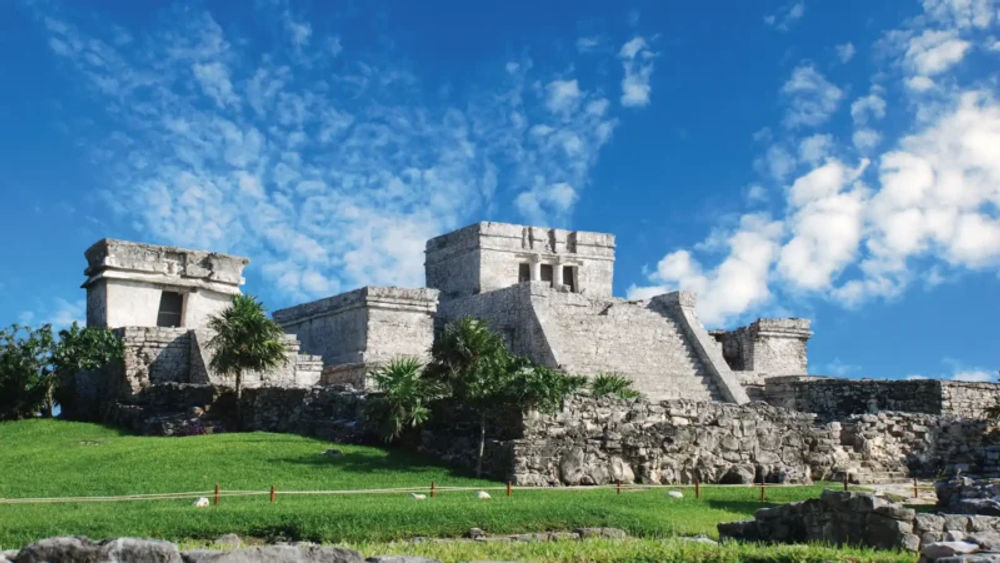
Closing thoughts on what is at stake for the Tulum archaeological zone
The latest figures show that the Tulum archaeological zone remains a major destination in Mexico, but one facing notable headwinds. The combination of federal tariffs, slowing U.S. arrivals, and upcoming fee increases could continue to suppress its visitor numbers unless broader adjustments emerge.
What is at stake is not only a count of tourists but the economic and cultural vitality of one of Mexico’s most emblematic heritage sites. As Tulum redefines its place within the country’s archaeological network, the choices made today will shape how future travelers experience the site.
We’d love to hear your thoughts. Join the conversation on The Tulum Times’ social media.
What changes do you think would most help restore balance between access, cost, and preservation in Tulum?