
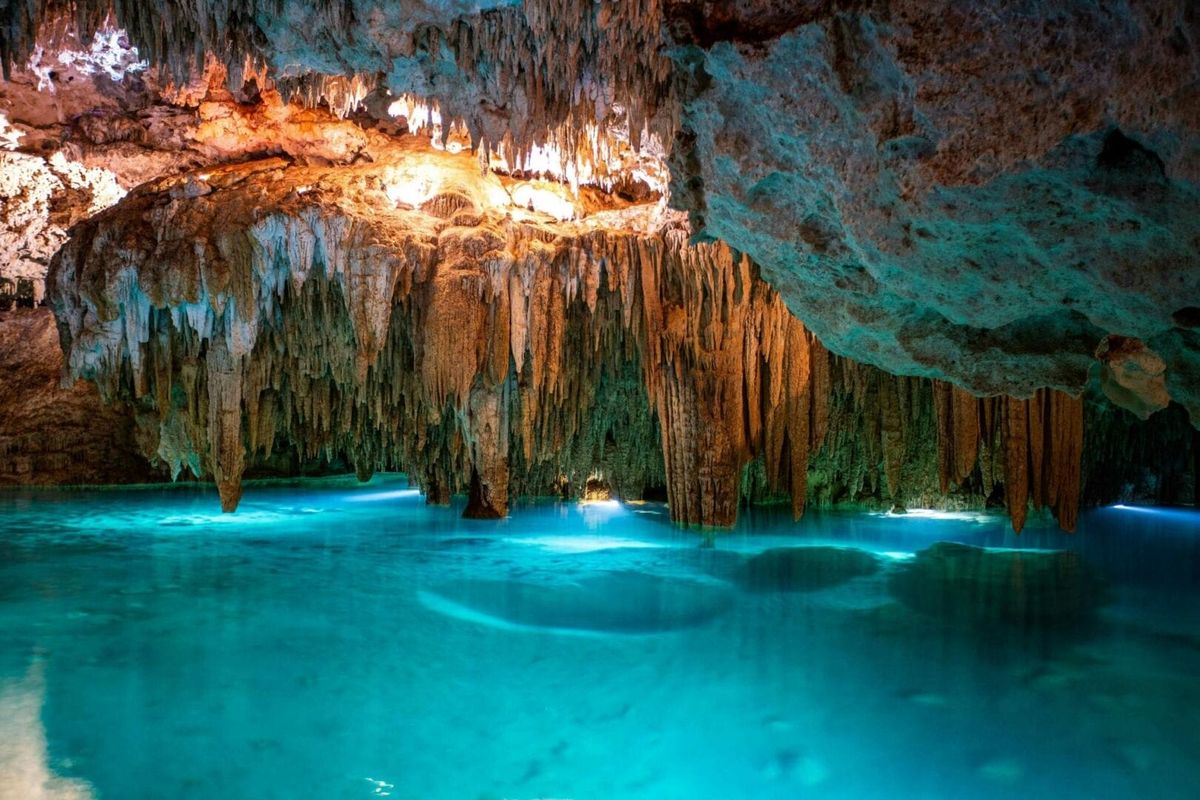
A confidential scientific investigation has revealed a troubling truth beneath the surface of paradise. A recently completed study has uncovered evidence of **Tulum cenotes contamination**, painting a stark picture of environmental degradation in the heart of the Riviera Maya. The idyllic image of crystal-clear waters and stunning natural sinkholes is now challenged by the reality of polluted waters seeping into these precious ecosystems.
### Evidence of Fecal Contamination
The report, based on sampling conducted in the last three months, highlights the presence of high levels of fecal coliforms. These indicate contamination by human waste, exceeding the limits deemed safe for recreational use by as much as 400% in some sampling locations. Such alarming figures immediately raise health concerns for visitors and the local population alike.
### Pharmaceuticals and Personal Care Products
The study further identifies pharmaceutical compounds and residues from personal care products. These consist of substances like ibuprofen, sunscreen chemicals, and cosmetic ingredients. These are definitive markers of untreated domestic wastewater, indicating inadequate sewage treatment and its subsequent leakage into the subsurface waterways. These compounds persist, disrupting the delicate balance of the cenote ecosystems.
### Nutrient Overload and Oxygen Depletion
Beyond direct contaminants, the investigation also detected elevated levels of nitrates and phosphates. These come from detergents and cleaning products, leading to eutrophication, a process where excessive nutrients cause algal blooms. This can decimate the aquatic life by depleting oxygen levels in the water. The impact extends beyond the cenotes, potentially affecting the nearby coral reefs, a vital component of the region’s eco-tourism industry.
The unnamed biologist involved in the investigation characterized the situation as a “worst-kept secret”. The source went on to describe a looming environmental catastrophe, saying that the region’s booming tourism is turning paradise into a “toxic fantasy.” The findings cast a long shadow over the tourism industry, which has come to rely on the pristine image of Tulum. Local authorities have yet to issue any official statement regarding the details of the investigation. However, the findings have the potential to cause irreparable reputational damage and undermine the region’s financial stability.
As Tulum continues its rapid development, the consequences of unchecked growth are now visible. The future of Tulum’s cenotes, and by extension its tourism-dependent economy, depends on immediate action to address this critical environmental crisis. The situation demands a shift towards sustainable practices and responsible waste management. Failure to do so risks the devaluation of a cherished natural treasure.
We’d love to hear your thoughts, join the conversation on The Tulum Times’ social media.