

On July 30, a date marked by the global fight against human trafficking, the municipality of Tulum turned its attention to one of the most vulnerable populations in the digital world: children.
In an age where danger can hide behind emojis and usernames, child protection is no longer limited to physical spaces. It now demands vigilance in every pixel. And in Tulum, officials aren’t waiting for tragedy to strike, they’re preparing to prevent it.
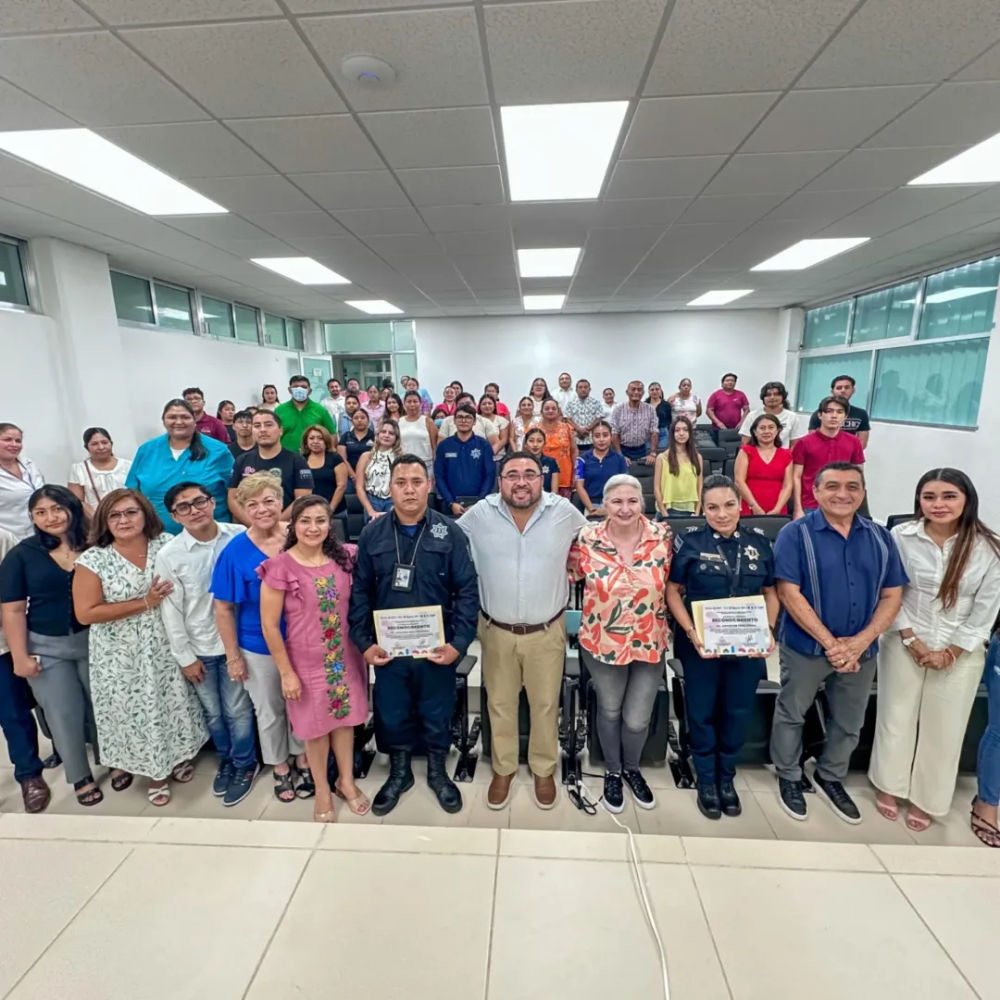
Earlier this week, inside the auditorium of the Technological University of Tulum (UTT), a group of more than 40 public servants came together not for a ceremony, but for something much more urgent: a specialized training aimed at equipping them to protect children from the invisible threats of the digital world.
Local Authorities Train Public Servants in Child Protection Strategies
The session, titled “Parental Control Guide: Protecting Your Sons and Daughters Digitally”, was the result of joint coordination between the Municipal DIF (Family Services Department) and the Cyber Police Unit of the Ministry of Citizen Security of Quintana Roo. The goal? To help government workers understand and address the cyber risks that children and teenagers face every day online.
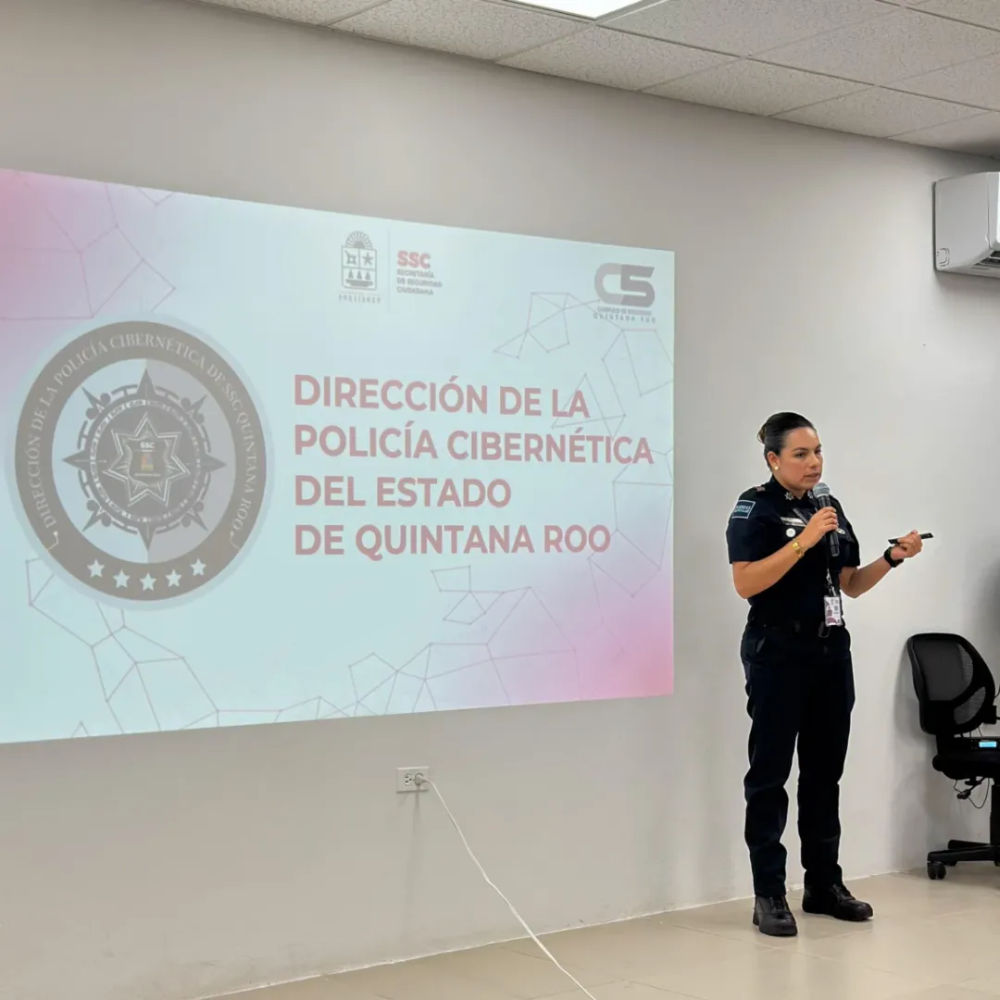
Representing Mayor Diego Castañón, Dr. Johnny Monsreal Padilla, Secretary General of the Municipal Government, and C.P. Belia Beltrán Aguilera, Director General of DIF Tulum, led the event, with legal experts Jaqueline Pérez Zúñiga and Leonardo Arellano Gómez facilitating the training.
But this was not just a lecture on technology. It was a deep dive into how social media, online gaming platforms, and unmonitored digital spaces have become new hunting grounds for cyber predators. Participants were not only shown how to implement parental controls and monitoring tools, but also how to identify subtle red flags that could indicate a child is being targeted.
A Modern Crisis That Demands Modern Tools
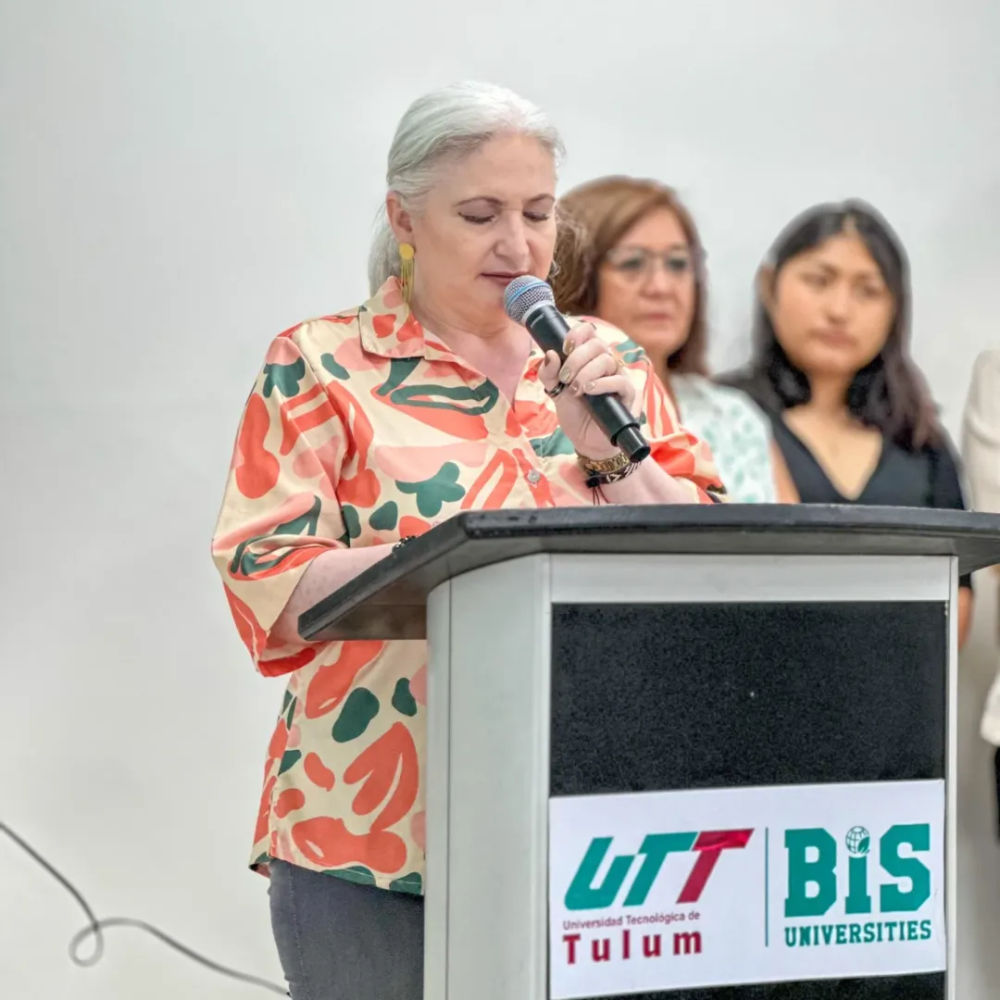
The threats may be new, but the mission remains timeless: keep children safe. Beltrán Aguilera underscored this with a clear message, one rooted in both compassion and civic duty.
Human trafficking is a reality we cannot ignore,” she said. “It requires coordinated and decisive action. We must raise our voices against this modern form of slavery and reaffirm our commitment to protecting the human rights of every person.”
Her words reflected more than just an institutional stance. They conveyed urgency. A call to action. A reminder that behind every online statistic is a real child, with a name and a future worth defending.
Bridging Digital Literacy and Human Rights
Tulum’s efforts are part of a broader movement to integrate digital literacy into the work of public administration. The idea is simple but transformative: when those in charge understand the tools, threats, and tactics of the digital world, they become frontline defenders for children and adolescents in their communities.
And the ripple effects are powerful. A trained municipal employee can recognize a danger sign, intervene early, offer resources, and even help families navigate the complex emotional terrain of online exploitation. What may seem like technical training is, in reality, a human rights initiative in disguise.
Dr. Johnny Monsreal Padilla echoed this sentiment in his closing remarks, applauding the coordination between state and municipal entities.
Today brings us together for a cause that is both urgent and profoundly human, protecting our children and adolescents,” he said.
Why Child Protection Must Be a Municipal Priority
Tulum, like much of Mexico and the world, is grappling with the growing overlap between digital exposure and vulnerability. When a child logs into an app or joins an online game, they are stepping into a space that can be enriching or dangerously unregulated.
Municipalities cannot afford to sit on the sidelines. As first responders to community needs, local governments have both the responsibility and opportunity to lead on this issue.
With trainings like these, Tulum is setting a precedent, one rooted in prevention, education, and proactive defense. And if a single child avoids harm because a public servant noticed something others missed, that’s not just policy in action. That’s a life protected.
The Real Victory Is Invisible
There may be no headlines the next day. No celebratory numbers. But these quiet victories, the trained eye, the early intervention, the informed decision, are what real child protection looks like in 2025.
In a world that’s moving faster than policy can keep up, Tulum’s initiative sends a clear message: protecting children online isn’t just a technical necessity. It’s a moral imperative.
Read more stories about public safety, youth initiatives, and digital wellbeing in our special feature series on social development in Quintana Roo.