
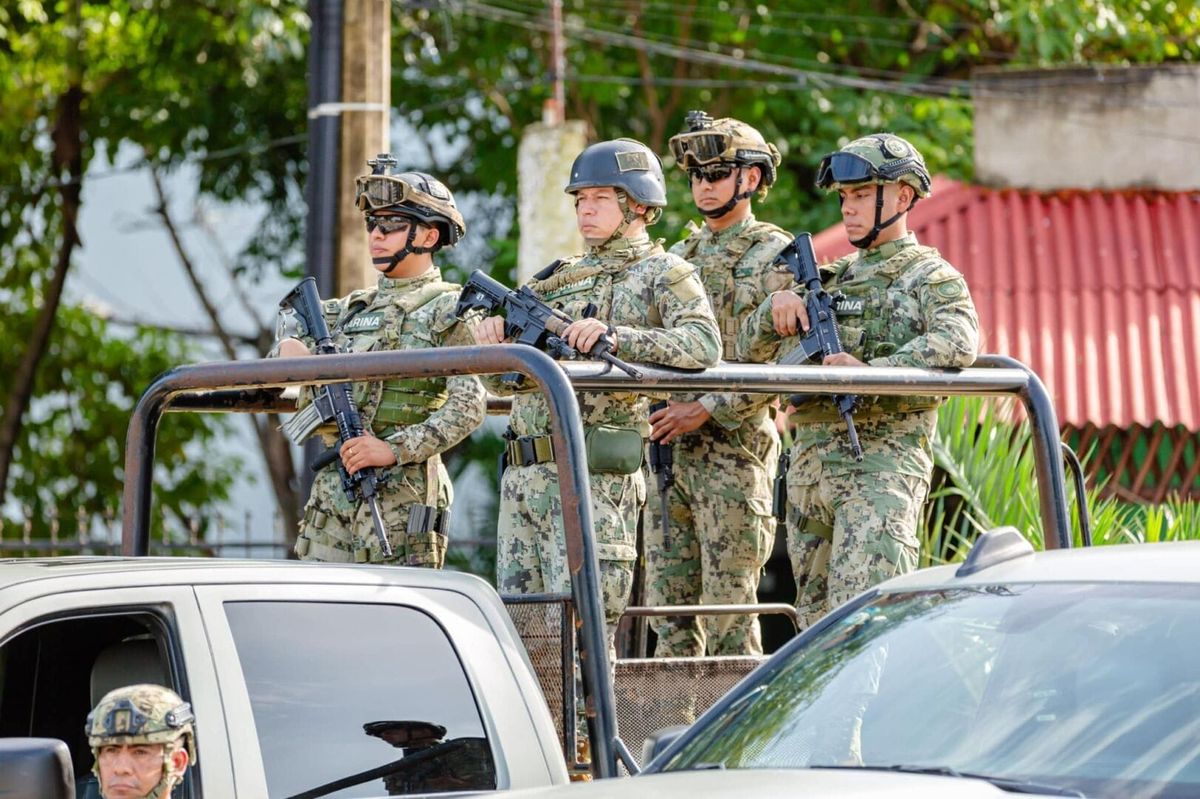
According to data from Quintana Roo’s Public Security Secretariat, in the first five months of 2025, Tulum witnessed a 69% reduction in high-impact crimes. This striking decline reflects an ongoing transformation in public safety for a destination increasingly recognized as much for its collaborative governance as its cultural vibrancy. This narrative parallels the town’s evolving identity as both a haven for travelers and a home for forward-thinking residents.
A Closer Look at the Numbers
Comparative statistics reveal dramatic improvements across critical categories. Homicides dropped by 57%, burglaries decreased by 72%, and thefts from businesses fell by 65% compared to last year. Perhaps most notably, femicides, a persistent concern nationwide, plummeted by 83%, marking one of the steepest declines in Mexico. These figures aren’t just percentages; they represent quieter streets after dark, fewer shuttered storefronts, and renewed confidence in local institutions.
Strategic Shifts in Public Safety
Authorities attribute this progress to a “preventive territorial” security model implemented earlier this year. The approach combines heightened police visibility with targeted social programs, such as youth mentorship initiatives and neighborhood watch partnerships. Visitors might spot the increased presence of municipal officers patrolling popular zones like Avenida Kukulcán, while locals have reported quicker response times to non-emergency reports.
Technology as a Force Multiplier
Investment in surveillance infrastructure has played a pivotal role. Over 300 new security cameras are now integrated with AI-powered license plate recognition systems to monitor key intersections and public spaces. A local café owner near Centro anonymously shared: “The blinking blue lights used to make me nervous, now they feel like a reassuring pulse keeping watch.”
Community-Driven Solutions
Beyond policing, the “Juntos por la Paz” (Together for Peace) program has engaged over 4,000 residents through workshops on conflict resolution and economic empowerment. These efforts underscore a growing recognition that sustainable safety requires addressing root causes, a perspective gaining traction at monthly community assemblies in Tulum’s public plazas.
Challenges on the Horizon
While progress is undeniable, some residents caution against complacency. A bilingual tour guide noted, ” Our Marinero neighborhood still sees occasional graffiti tagging, it’s a reminder that security isn’t just about big crimes but daily quality of life.” Police training academies have reportedly expanded their curriculum to include de-escalation tactics and cultural sensitivity modules in response to such concerns.
The Road Ahead
Looking forward, municipal authorities plan to integrate environmental stewardship into security strategies. Preliminary discussions suggest linking beach cleanup volunteers with neighborhood patrols, an innovative crossover reflecting Tulum’s distinct ecological and social consciousness blend. Early prototypes of solar-powered emergency call boxes are already being tested along the coastal zone.
These developments arrive at a crucial juncture, as Tulum prepares for hurricane season and its annual influx of autumn travelers. The challenge now lies in maintaining momentum while preserving the laid-back charm that first put this destination on the map. As one longtime expat entrepreneur phrased it, “Real safety isn’t about gates and guards, it’s about neighbors knowing each other’s names again.”
We invite our readers to share their experiences and perspectives on Tulum’s evolving community landscape through social media channels. Your insights help shape the conversation around sustainable growth in this dynamic region.